P0780 to P0785 and P0801 to P0803 Transmission Shift Codes Explained
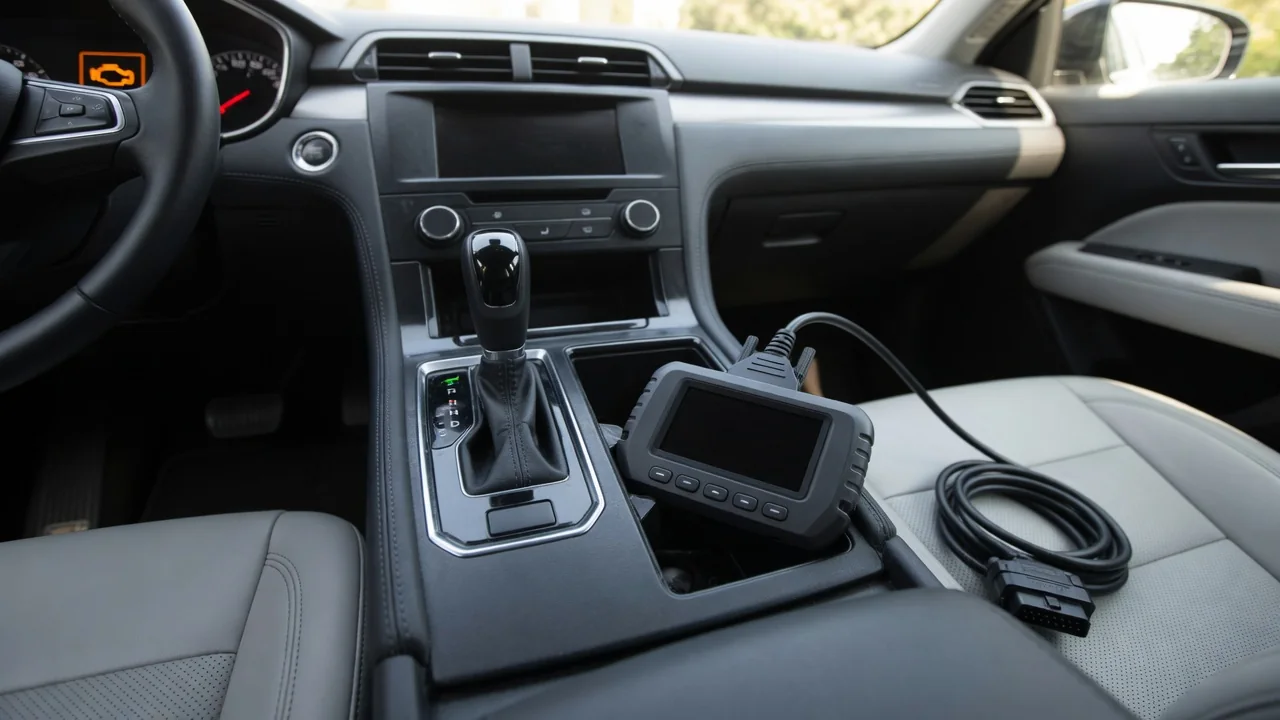
A stored P0780 code means the powertrain control module measured an unexpected gear change or ratio mismatch, but that is only the beginning of the story. Codes P0781 through P0785 pinpoint a detected shift fault between specific gears or a shift solenoid circuit issue, while P0801 and P0803 cover reverse inhibit and skip-shift functions. Because every manufacturer defines these codes differently, the same number can point to separate circuits and enabling conditions. Reading the freeze-frame data and any companion codes helps reveal whether the fault is electrical, hydraulic, or mechanical before any parts are replaced.
What P0780 Shift Malfunction Means and Why Definitions Vary by Maker
P0780 is a generic OBD-II code that the transmission control module sets when a commanded gear change produces a measured gear ratio or output speed that does not match the expected result. In simple terms, the computer asked the gearbox to shift, but the input and output speed sensors told it the shift did not happen correctly. Conditions such as gear ratio error, shift timing, or measured slip vary by application, so the code's meaning ranges from a delayed 1-2 shift to a ratio fault in any gear.
Because P0780 is manufacturer defined, the exact trigger conditions and wording differ between automakers and even between engine and transmission combinations. A vehicle may set P0780 after a single missed shift, while another requires repeated failures across a drive cycle. The code frequently appears alongside gear-specific codes such as P0781, P0782, or P0783 and solenoid circuit faults. Reviewing the other stored codes and freeze-frame data is essential because P0780 identifies a detected symptom, not a failed part. Replacing a solenoid or sensor solely because P0780 is present leads to guesswork.
P0781 and P0782: 1-2 and 2-3 Shift Malfunction Codes
P0781 generally refers to a detected 1-2 shift malfunction and P0782 to a problem with the 2-3 shift, but the precise definition must be confirmed for the vehicle. A driver may notice a delayed, harsh, or flared upshift, where the engine revs higher than normal before the gear change finally occurs. The transmission may also remain in the lower gear longer than expected, or it may slam into the next gear. In some cases the shift happens normally but the control module still sees a ratio error due to a speed sensor signal that briefly drops out.
Possible causes for these two codes fall into broad categories: low or degraded transmission fluid, electrical faults in shift solenoids or their wiring, input or output speed sensor signal problems, valve body issues, and internal clutch or band wear. The same symptoms can come from electrical, hydraulic, or mechanical faults, so observations narrow the list but do not confirm a cause. A burnt fluid smell might point toward slipping clutches, while a loose connector could create a similar recorded failure. Vehicle-specific service information and live scan data are needed to separate these overlapping possibilities.
P0783: 3-4 Shift Malfunction and Higher-Gear Symptoms
P0783 generally points to a problem the module detected during the 3-4 shift, and because this is often the step into overdrive or top gear, the symptoms show up at road speed. A driver may notice the transmission never shifts into overdrive, engine rpm runs higher than expected on the highway, or the 3-4 change slips and flares. On some vehicles a harsh engagement or a sudden drop in rpm accompanied by a torque converter clutch code may occur. Readers must verify how their manufacturer defines P0783, since some automakers use different wording or require multiple disturbed shifts before the code sets.
On transmissions where the 3-4 shift involves overdrive or torque converter clutch apply, related codes for the torque converter clutch solenoid or overdrive clutch performance may be stored. Safe observations that help a technician include recording the vehicle speed and transmission temperature when the problem occurs, whether the fault is constant or intermittent, and any other warning lights such as a transmission temperature lamp. Noting whether the issue appears only when cold, only when hot, or only after highway driving can point toward fluid condition or an electrical connection that opens with heat.
P0785: Shift and Timing Solenoid Circuit Code
P0785 is commonly described as a shift timing solenoid circuit fault, meaning the control module saw an electrical value outside its expected range. This code differs from shift performance codes like P0780 through P0783 because it points toward the solenoid, its wiring, connectors, or the control module circuit rather than a measured shift result. The solenoid may be stuck mechanically, but an open or shorted winding, a corroded connector, or a failing driver in the control module can produce the same electrical code. Vehicle-specific service information is required to identify the exact circuit being monitored.
Symptoms associated with P0785 may include harsh or mistimed shifts, a fail-safe or limp mode that limits the transmission to a few gears, and a transmission warning light. In fail-safe mode, the control module often commands maximum line pressure, which creates a harder engagement that the driver feels. Diagnosing this code properly requires wiring diagrams, a digital multimeter, and often a scope to watch the solenoid circuit under load, which is why many owners choose a qualified technician. Replacing the solenoid without first checking the wiring and connector is a common mistake that does not fix the underlying electrical issue.
P0801 Reverse Inhibit and P0803 Skip-Shift Solenoid Codes
P0801 is generally described as a reverse inhibit control circuit fault, which relates to a system designed to block reverse engagement above certain vehicle speeds or conditions. This feature is not present on every vehicle, so the code may refer to a transmission range sensor circuit or a dedicated reverse lockout solenoid on vehicles that use it. P0803 is generally described as a 1-4 upshift, or skip-shift, solenoid control circuit fault, often found on manual transmissions with a computer-aided gear selection feature that forces a 1-4 shift under light throttle to save fuel. Readers must confirm whether their vehicle uses these systems before interpreting either code.
P0802 falls between these code numbers but usually has a different meaning, often related to a transmission control module power relay or another circuit, so it must not be described as a skip-shift code. Symptoms for P0801 may include a warning light and a reverse lockout that acts incorrectly, either blocking reverse when it should not or allowing reverse at speed. For P0803, the skip-shift feature may fail to engage, leaving the driver able to shift normally, or it may activate in the wrong conditions. Always verify the vehicle-specific meaning of any code actually stored before drawing conclusions about the cause.
Safe Symptom Checks and Driving Limits With Shift Codes
Before calling a tow truck, drivers can safely observe and record simple information that helps diagnosis. Note when the check engine light or transmission warning lamp comes on, describe shift quality in words like delayed, harsh, flared, or missing, and watch engine rpm during gear changes. Listen for unusual noises such as whining, grinding, or rattling, and check under the vehicle for signs of fluid leaks, which may appear as red, brown, or dark spots. A burning smell can indicate overheated fluid or slipping clutches. These observations do not pinpoint the cause but they give the technician a clear starting point.
Fail-safe or limp mode is a protective strategy the control module uses when it detects a serious fault. The transmission may be locked in one forward gear, often second or third, and shifts become firm or absent. Continuing to drive with slipping, harsh, or missing shifts can risk further transmission damage, because slip generates heat that degrades fluid and burns clutch material. If the vehicle will not engage a gear, loses drive completely, or behaves unpredictably in traffic, stop driving and arrange a tow. Clearing codes without recording them first can erase the freeze-frame data and pending codes that a technician needs.
Likely Cause Categories and When Professional Testing Is Needed
The broad cause groups across these codes include fluid level or condition issues, electrical faults in solenoids, wiring, or connectors, speed sensor signal problems, control module software or internal faults, and mechanical wear in clutches, bands, or the valve body. No single group is always the culprit; a P0785 circuit code could come from a dirty connector, while a P0783 ratio error could come from a torn seal inside the transmission. Checking fluid level and condition must follow the manufacturer's procedure because many modern transmissions have no dipstick and require a specific temperature and scan tool reading to check the level correctly.
Professional testing may include reviewing live scan data for shift times, gear ratios, and solenoid commands, performing electrical circuit checks with a multimeter or scope, running a transmission pressure test, and checking for software updates. A good technician will not replace a solenoid or overhaul a transmission without a diagnosis that links a measured failure to a specific component or circuit. Ask for a diagnosis that confirms the cause before approving parts replacement or transmission work. Generic cost assumptions or internet guesses are not a substitute for test results on your specific vehicle.