P0740–P0744 Torque Converter Clutch Codes: Meanings, Symptoms and Diagnosis
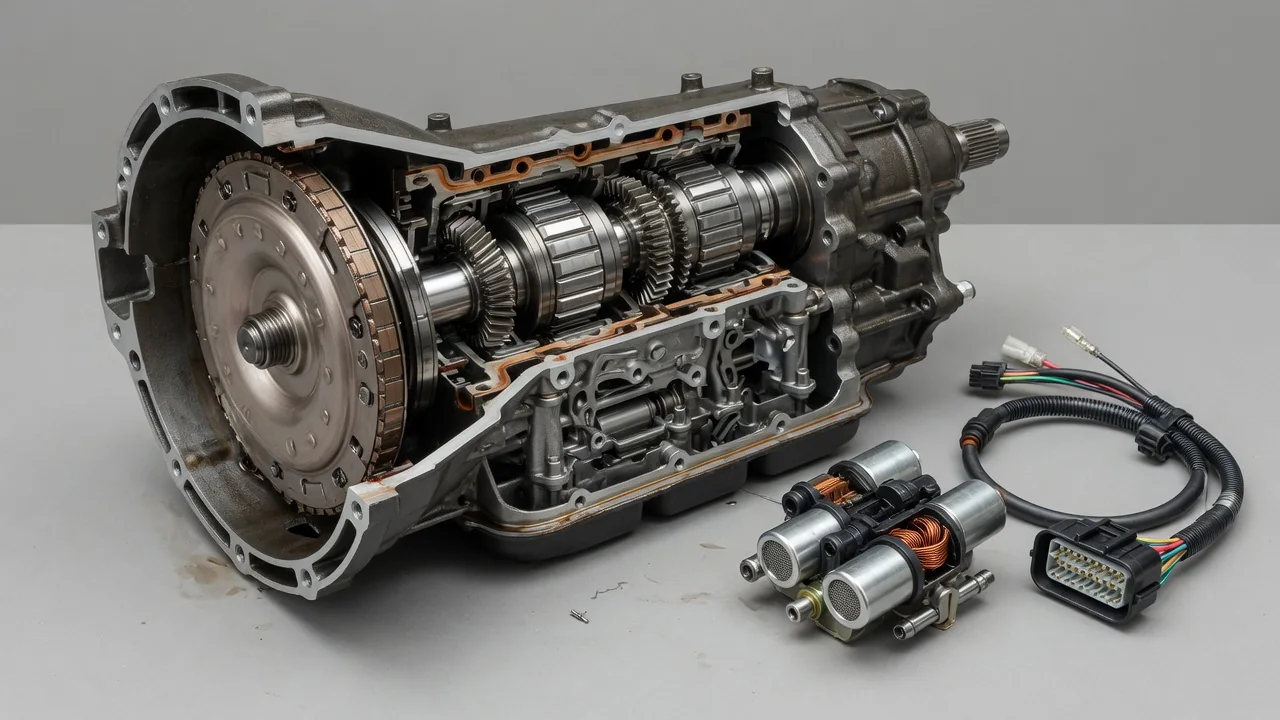
Codes P0740 through P0744 all involve the torque converter clutch, the lockup clutch that links engine and transmission during steady driving. A P0740 code, P0741 code, P0742 code, P0743 code or P0744 code each points to a different kind of problem, ranging from circuit faults to engagement that fails to apply or release. Knowing what each code means, what symptoms may appear and how a shop confirms the cause helps owners avoid guesswork and unnecessary parts.
P0740: Torque Converter Clutch Circuit Malfunction
Before interpreting P0740 or any related code, check the exact definition, transmission application and diagnostic criteria in the manufacturer's service information, because wording and enabling conditions vary between vehicles. The torque converter normally transfers power through fluid, which allows some slip. Under specified conditions, often steady cruising with a warm transmission, the transmission control module commands the torque converter clutch to engage. That mechanically couples the engine to the transmission input, reducing slip, heat and fuel consumption.
The generic P0740 description is torque converter clutch circuit malfunction. It means the controller detected a problem in the control circuit, not that a specific part failed. Possible causes include damaged wiring in the transmission wiring harness, corroded or loose connectors, a TCC solenoid with an internal fault, or a control problem within the module. Some vehicles monitor hydraulic response as part of this code, so any valve body or internal checks should follow the vehicle's diagnostic procedure rather than assumption.
P0741: Clutch Performance or Stuck Off
A P0741 code is generally described as torque converter clutch performance or stuck off. The module commanded lockup, but the result did not match its expectation, usually judged by comparing engine speed with transmission input or turbine speed. If clutch slip speed stays higher than allowed, the controller concludes engagement is incomplete. Drivers may notice slightly elevated cruising RPM, rising transmission temperature, or only an illuminated warning light, though none of these symptoms appears in every case.
Several conditions can prevent full engagement. Low or degraded fluid can reduce apply pressure, internal hydraulic leakage can bleed it away, and a sticking valve in the valve body can misdirect flow. A sluggish TCC solenoid or worn clutch lining inside the converter are also possibilities, and each requires evidence. A technician weighs commanded engagement, operating conditions and measured slip together, because recommending a torque converter without that comparison risks replacing an expensive part that was never the cause.
P0742: Torque Converter Clutch Stuck On
The P0742 code describes the opposite concern: torque converter clutch stuck on. It suggests the lockup clutch may not be releasing when the module expects it to. Because a locked converter acts like a solid link, the engine can be dragged down as the vehicle slows. Possible signs include shudder, engine lugging, or stalling while decelerating or coming to a stop. Idle control problems, vacuum leaks or ignition faults can cause similar behavior, so these symptoms support rather than prove the diagnosis.
A solenoid that stays mechanically or electrically applied, a stuck valve in the valve body, abnormal hydraulic pressure, or an internal clutch that fails to disengage can all set this code. Treating it as proof of any single cause leads to missed repairs. Stalling at intersections or unpredictable drivability is a genuine safety concern. If the engine dies or the vehicle behaves erratically, stop in a safe location and arrange professional assistance or towing rather than continuing to drive.
P0743: Torque Converter Clutch Circuit Electrical
P0743 is commonly defined as torque converter clutch circuit electrical, meaning the module detected an electrical condition outside its expected range in the control circuit. Typical possibilities include an open circuit from a broken wire, a short to ground or power, high resistance at a poor connection, or an electrical fault inside the TCC solenoid itself. A faulty transmission control module is possible, but that conclusion should come only from test results after the wiring and solenoid check out.
Diagnosing a P0743 code properly depends on vehicle-specific wiring diagrams, circuit specifications and connector pin information, since circuit layouts, solenoid resistance values and control strategies differ widely. A shop typically verifies circuit integrity with suitable meters, compares solenoid resistance against specification, and may use a scan tool to command the solenoid while monitoring circuit status. Owners should avoid probing connectors, applying direct power or jumping circuits, which can damage modules and make the original fault harder to trace.
P0744: Intermittent Torque Converter Clutch Circuit Fault
A P0744 code usually indicates an intermittent torque converter clutch circuit fault, where the controller saw the circuit behave abnormally for brief periods. Manufacturer detection criteria define how long and how often the condition must occur, so confirm them for the specific vehicle. Heat expansion, vibration over rough roads, a loose or corroded connector, or a solenoid winding that fails only when hot can all create this pattern. These influences suggest where to look, but none establishes the diagnosis alone.
Intermittent faults often vanish before the vehicle reaches a shop. The warning light may go out after several fault-free drive cycles and drivability may feel normal, yet the stored code and history remain valuable. Freeze-frame data captures conditions such as vehicle speed, engine load and fluid temperature at the moment the fault set. Technicians compare those records with monitored live data during road tests or harness inspection to reproduce the failure under similar conditions.
Recognizing Symptoms and Recording Safe Observations
P0740 symptoms and P0744 symptoms can range from a check engine light alone to noticeable changes in cruising RPM, shudder at steady speed, higher transmission temperature, or lockup that feels abrupt or absent. Some vehicles also limit clutch engagement once a fault is stored. These signs overlap heavily with engine misfires, other transmission faults and even driveline vibration, so symptoms alone cannot identify which component failed; they simply help a technician narrow the testing.
Useful notes include the speed, temperature and load when symptoms occur, any dashboard warnings, and fluid spots under the vehicle while it is safely parked. Do not deliberately provoke the fault. Check fluid only if the owner's manual permits it, since many transmissions require controlled temperatures and shop equipment. If an overheating warning appears, slipping becomes severe, the engine stalls or propulsion is lost, stop safely and seek help; no driving distance can be guaranteed as safe.
How a Shop Confirms the Fault and Verifies the Repair
A shop starts by retrieving codes from all relevant modules and saving freeze-frame data before clearing anything, since related speed-sensor, temperature or engine codes can change the testing sequence. Next comes a fluid level and condition check using the specified procedure, then inspection of accessible wiring and connectors for chafing, heat damage, corrosion or fluid contamination. The technician evaluates commanded clutch state, slip speed, fluid temperature and speed-sensor data under controlled conditions suited to the vehicle.
Electrical testing, plus hydraulic pressure testing where indicated, determines whether the fault involves circuit integrity, solenoid operation, pressure control or internal components. The repair should match those confirmed findings, whether that means a connector repair, solenoid replacement, valve body service or converter replacement. Afterward, the shop verifies that the clutch applies and releases correctly and that relevant monitors complete. Clearing a code alone does not demonstrate a repair; it only erases evidence that could have guided diagnosis.