P0729–P0736: Incorrect Gear Ratio Codes, Causes, and Safe Checks
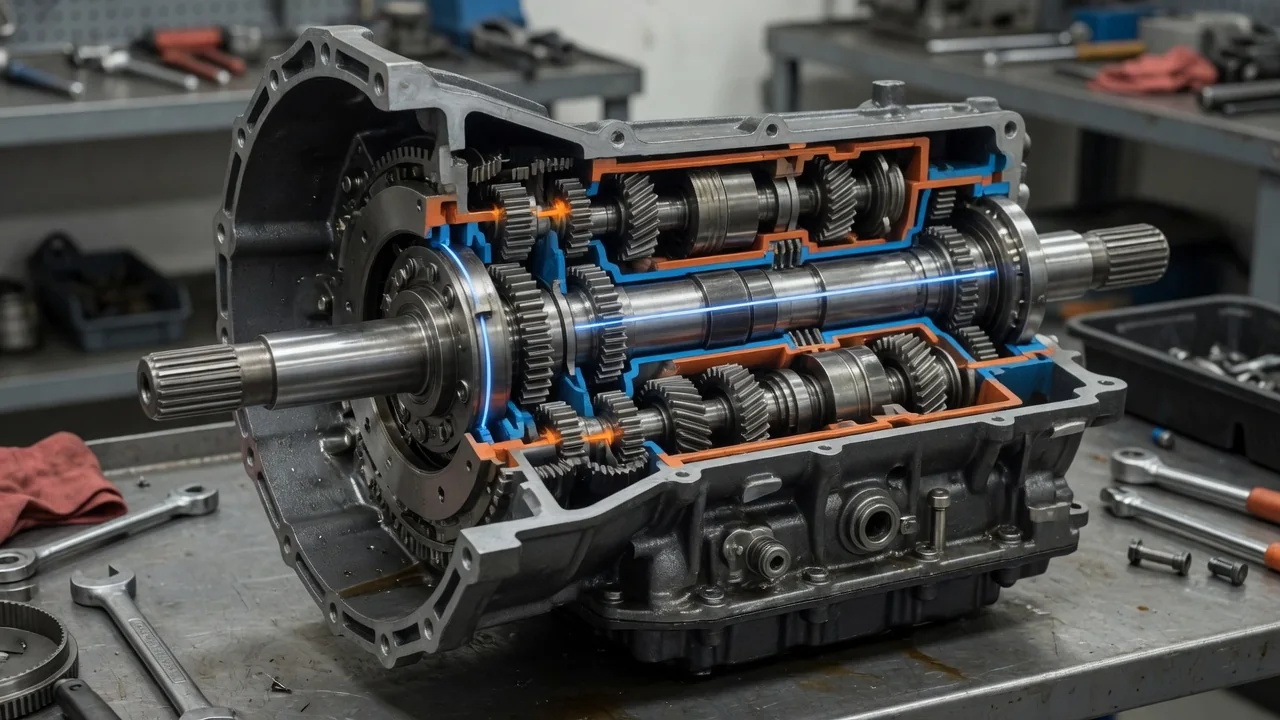
Incorrect gear ratio codes P0729 through P0736 appear when transmission controls compare input and output speed with the ratio expected for the commanded gear. A P0731 code or related gear-specific entry records that mismatch; it does not prove a clutch has failed. Interpreting slip in a particular gear, fluid condition, solenoid faults, symptoms, and safe checks helps set a realistic diagnostic path.
What P0730 and P0729 Mean in a Gear Ratio Fault
A modern automatic transmission module watches transmission input speed and transmission output speed and compares their relationship with the ratio that should exist in the commanded gear. When those speeds do not match the expected relationship long enough to meet detection criteria, an incorrect gear ratio fault can set. That comparison is mathematical evidence of a mismatch, not a completed diagnosis of which clutch, solenoid, or sensor produced it.
The P0730 code typically means incorrect gear ratio without naming a specific gear, while a P0729 code points to sixth-gear incorrect ratio on applications that use that assignment. Exact wording, applicable transmission, and enable conditions still belong in the vehicle’s service information, because manufacturer-dependent codes require vehicle-specific confirmation. The stored code documents a detected ratio problem; it does not establish which component failed or prove internal clutch damage.
P0731 and P0732: First- and Second-Gear Ratio Faults
A P0731 code maps to first-gear incorrect ratio, and a P0732 code maps to second-gear incorrect ratio. Drivers may notice weak acceleration from a stop, an engine-speed flare as if the clutch is not holding, or disrupted shifts that involve first or second. Those observations help describe when the ratio disagreement appeared, but they remain symptoms. The P0731 and P0732 entries still only report that the calculated ratio did not match the commanded first or second gear.
Stored operating conditions matter because a fault during a shift is not the same event as a fault while already in gear. Commanded gear, input speed, and output speed at the moment of detection show whether the module was still applying a ratio or already expected it to be held. Identifying the affected gear lets a technician consult that transmission’s clutch application chart. It does not identify a universal first- or second-gear replacement part, and clutch slip in those ranges still needs confirmation.
P0733 and P0734: Third- and Fourth-Gear Ratio Faults
A P0733 code indicates third-gear incorrect ratio, and a P0734 code indicates fourth-gear incorrect ratio. During acceleration or steady driving, an unexpected rise in engine speed, interrupted power delivery, or restricted gear operation can appear if third or fourth is not holding as commanded. Those driving impressions are useful history, not proof that a particular clutch pack is worn. The P0733 and P0734 records still mean the measured ratio disagreed with the commanded third or fourth gear.
Freeze-frame data can document load, temperature, vehicle speed, and related parameters when the fault occurred, so a driver does not need to recreate a slipping event. That snapshot still requires interpretation against commanded gear and speed signals. Linking these codes to a clutch pack, hydraulic circuit, or shift-control component requires transmission-specific evidence from service information and testing. A ratio mismatch in third or fourth is a starting point, not a completed internal diagnosis.
P0735 and P0736: Fifth-Gear and Reverse Ratio Faults
P0735 refers to fifth-gear incorrect ratio, and P0736 refers to reverse incorrect ratio. Fifth-gear complaints can include engine-speed flare, loss of expected drive, or a transmission entering a protective operating mode that limits available gears. A P0735 code records that the calculated fifth-gear ratio did not match what the module commanded. It does not, by itself, prove a fifth-gear clutch has failed or that the unit must be rebuilt.
Reverse engagement problems worth recording include delayed engagement, slipping, or failure to move after reverse is selected. A P0736 code documents a reverse ratio disagreement, not a confirmed reverse clutch failure. Reverse clutch and hydraulic arrangements depend on transmission design, so the same code can point to different hardware on different units. Repeated engagement attempts when reverse slips or fails can increase heat and wear; stop the vehicle and arrange diagnosis rather than cycling reverse to check it.
Fluid, Clutch, Hydraulic, and Electrical Causes to Investigate
Incorrect transmission fluid condition can disturb hydraulic pressure even when the unit still selects a gear. A low level, an unsuitable fluid type, or deteriorated fluid may allow clutch slip because the apply circuit cannot hold the commanded ratio. Appearance or odor alone cannot establish the cause, because dark fluid can exist with an electrical fault and clean fluid can exist with an internal leak. Fluid inspection is one clue among others, not a verdict.
Worn friction elements, internal leaks, or inadequate hydraulic pressure can prevent a commanded gear from holding, which the module may report as an incorrect gear ratio. A shift solenoid, valve-body, wiring, or control fault can also disrupt gear application, but every ratio code does not require a solenoid. Unreliable transmission input speed or transmission output speed signals can create an apparent mismatch even when the mechanical ratio is holding. Codes affecting several gears may involve shared components, yet fault count alone cannot establish the extent of damage.
Safe Checks, Professional Testing, and Repair Outlook
Before clearing anything, record all stored codes, available freeze-frame data, observed symptoms, and recent service history. Owner checks should stay limited to safe observations such as dashboard warnings and visible leaks. Check fluid only if the owner’s manual provides an accessible procedure; many sealed units do not. Those notes give a technician a timeline without asking the driver to provoke clutch slip on the road.
If propulsion is lost, slipping is severe, overheating warnings appear, or a substantial fluid leak develops, stop safely and arrange towing. Avoid deliberate slip tests and repeated acceleration attempts. Professional diagnosis may include speed-signal checks, wiring inspection, commanded-gear analysis, and hydraulic testing using the vehicle’s service procedures. Repair can range from a confirmed fluid or electrical issue to hydraulic or internal transmission work, with scope set by testing and by verification that the fault no longer returns.