P0725–P0729 Codes: Engine Speed Input and Sixth-Gear Ratio Faults
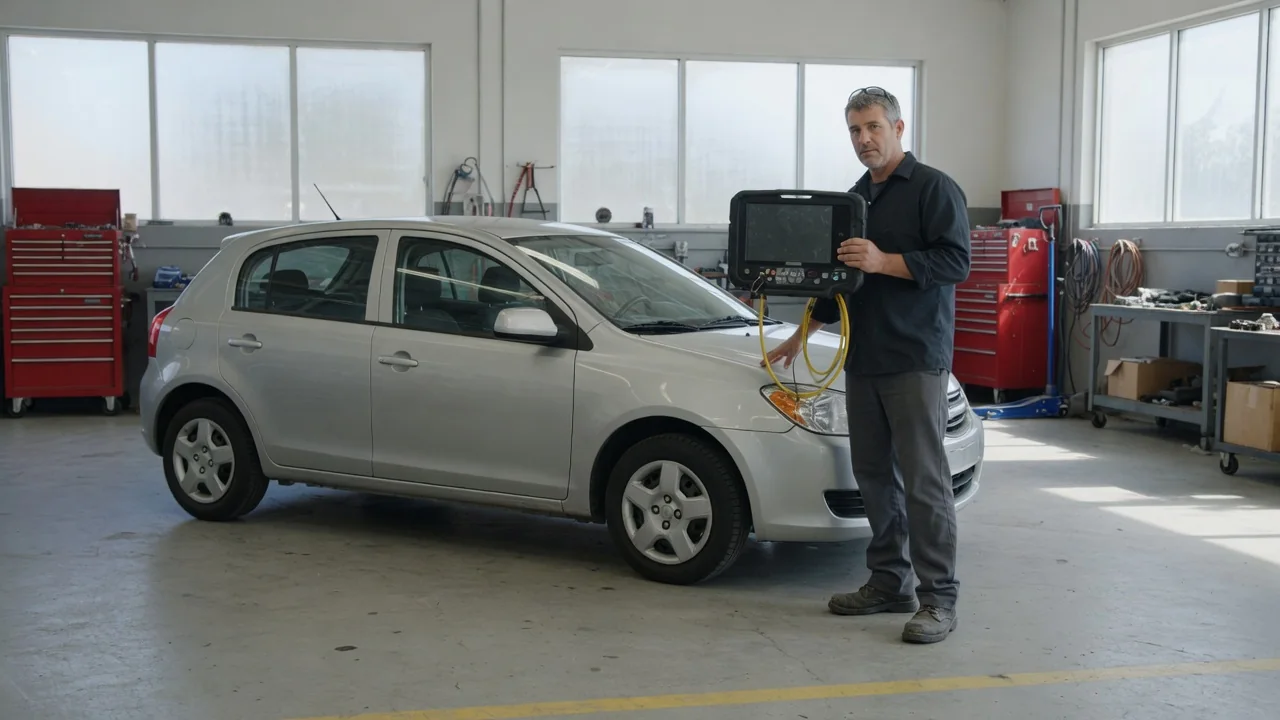
The P0725 family of diagnostic trouble codes concerns engine speed information the transmission control module uses to manage shifts. A P0725 code, along with P0726, P0727, and P0728, typically points to an engine speed input circuit problem rather than a confirmed failed part. P0729 is different: it reports a sixth-gear ratio fault. Interpreting these codes starts with the vehicle's exact definition, stored freeze-frame data, and how the engine speed signal reaches the transmission.
P0725: Confirming the Engine Speed Input Circuit Fault
A P0725 code is commonly described as an engine speed input circuit fault seen by the transmission control module. That generic label is a starting point only. Manufacturers assign detection rules, circuit diagrams, and test steps that differ by model year, powertrain, and which module stored the code. Confirm the exact definition and diagnostic procedure for the vehicle and the reporting module before treating the finding as a crankshaft position sensor, wiring, or module failure. The stored P0725 identifies a detected engine speed signal problem, not a part that has already been proven defective.
Transmission control needs engine speed information to calculate gear selection, torque converter clutch strategy, and shift timing relative to vehicle speed. Depending on the vehicle, the engine speed signal may come from the crankshaft position sensor wiring, be processed by the engine control module, or arrive over a communication network. Signal interruption anywhere along that path can set P0725 without the transmission itself being internally damaged. Record vehicle details, all stored codes, and freeze-frame data first. Clearing information too early removes the operating snapshot that shows when the engine speed input looked implausible.
P0726: Engine Speed Input Range or Performance
The P0726 code is typically described as engine speed input range or performance, meaning the transmission module received a signal that fell outside expected limits or did not match other data. Vehicle-specific criteria determine what made that signal unacceptable: a threshold, a comparison with another sensor, or a duration of implausible values. Until those criteria are confirmed for the vehicle, a P0726 code should not be read as a particular failed sensor or as proof that engine speed itself was actually wrong at the crankshaft.
An implausible engine speed signal can result from poor signal quality, noise on the circuit, incorrect voltage supply, or a fault elsewhere in the signal path rather than at the sensor itself. Accompanying engine, voltage, or module communication codes help a technician choose the next test instead of jumping to a crankshaft position sensor replacement. Intermittent P0726 symptoms and apparently normal engine operation do not establish whether the transmission control module received a valid signal at the moment the fault was stored. Live data and freeze-frame comparison still matter.
P0727 and P0728: Missing or Intermittent Engine Speed Input
A P0727 code is generally described as no engine speed input signal, meaning the transmission control module did not receive the expected engine speed information during the detection window. Confirm the vehicle-specific conditions that must be met before that conclusion is stored, because some controllers look for the signal only after starting, above a certain engine speed, or after a delay. Absence of a displayed tachometer problem does not disprove P0727. The reporting module may lose the engine speed signal through wiring, a sensor circuit, or a communication path that never reaches the instrument cluster.
P0728 typically describes an intermittent engine speed input signal rather than a complete, continuous dropout. That distinction still does not identify a failed component. Wiring damage, loose connections, crankshaft position sensor signal faults, and communication interruptions are all possible, and the likely path depends on how that vehicle delivers engine speed to the transmission. Note when issues appear during starting, after warm operation, or in wet weather as clues for inspection, not as proof of a particular repair. A P0728 code remains evidence of signal interruption that needs architecture-specific testing.
P0729: Checking the Sixth-Gear Ratio Fault
P0729 is not an engine speed input circuit code. Its standard description is gear 6 incorrect ratio, meaning the controller compared transmission speed sensors and found a speed relationship that did not match the expected sixth-gear ratio. Grouping P0729 with P0725 through P0728 is a numbering coincidence, not a shared cause. Before interpreting the fault, verify that the vehicle actually has a sixth gear, confirm the manufacturer's definition, and review the diagnostic criteria. A six-speed or more configuration still requires vehicle-specific confirmation of what gear 6 means in that controller.
The P0729 code shows that the controller detected an inconsistent sixth-gear ratio; it does not identify whether the cause is hydraulic, mechanical, sensor-related, or a data comparison issue. Professional evaluation should focus on speed data from transmission speed sensors, the operating conditions stored with the code, and possible internal transmission or ratio-control faults. Do not assume P0729 is related to accompanying P0725, P0726, P0727, or P0728 findings. Those engine speed input codes describe a different monitored circuit. Treating them as one repair path can send testing toward the crankshaft while the ratio problem remains unexplained.
Symptoms to Record and When to Stop Driving
P0725 symptoms can include a warning lamp, delayed or harsh shifting, reduced performance, or a transmission protection mode that limits gear range. Those effects vary by calibration and by whether the engine speed input dropped, drifted, or arrived late. Stalling, hard starting, or an erratic tachometer may accompany some underlying engine speed signal faults, especially when the crankshaft position sensor circuit is involved, but they are not required for a P0725 code to set. Some vehicles continue to run with little driver-noticeable change while the transmission module logs the fault.
Record whether symptoms occur during starting, idling, or shifting, and note any pattern with temperature or load, without deliberately trying to recreate a dangerous fault. A code by itself does not declare the vehicle safe to drive. Stop as soon as it is safe and arrange professional assistance if the vehicle stalls, loses propulsion, slips severely, or shifts in an unpredictable way. Those conditions can leave the driver without reliable power or gear control. Mild warning-light-only cases still deserve prompt diagnosis because the next dropout of the engine speed signal may not be gentle.
Safe Observations and Professional Diagnostic Tests
Owner-level checks should stay limited. Review recent maintenance and repair history, save scan results that list P0725, P0726, P0727, P0728, or P0729, and look for obvious wiring damage or fluid leaks only with the vehicle parked and the engine off. Do not probe connectors, work near moving parts, or attempt circuit tests without the vehicle's wiring information. Diagnosis often requires a scan tool that can access both the engine and transmission control modules, because the engine speed signal may be generated in one controller and consumed in the other.
A technician may then inspect stored communication faults and compare live engine speed with transmission-reported engine speed. Professional testing of the signal circuit, power supply, ground, and network follows the manufacturer's wiring and diagnostic flow. Replacement of a crankshaft position sensor or control module needs supporting evidence, not the code number alone. After repair, verification includes confirming that the engine speed signal remains stable and that the codes do not return under the operating conditions that originally set them. P0729 verification instead rechecks ratio data in sixth gear, not the engine speed input path.