P0720–P0724 Codes: Output Speed Signals and Brake Switch Faults
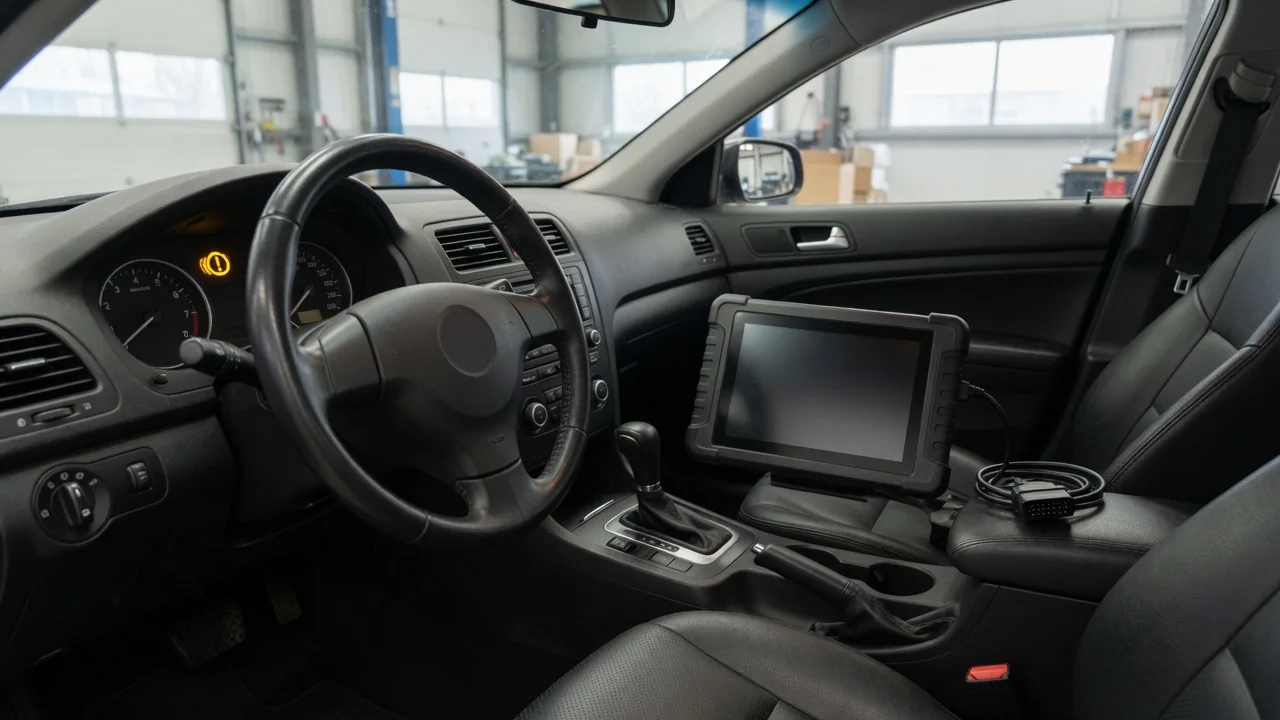
A P0720 code, or one of the related P0721, P0722, and P0723 codes, points to a problem with the output shaft speed signal the transmission controller relies on. P0724 looks like part of the same group, but it actually concerns a brake switch circuit. Knowing what each code describes, and what it doesn't prove, helps you report symptoms accurately and avoid replacing parts that aren't faulty.
P0720 and P0721: Circuit and Range/Performance Faults
In the standard generic definitions, P0720 describes an output speed sensor circuit fault, and P0721 describes an output speed sensor range/performance problem. The first means the controller detected an electrical condition it treats as abnormal. The second means a signal is present but doesn't agree with other data, such as input speed, engine speed or the commanded gear. Manufacturers set their own enabling conditions and thresholds, so confirm the exact description for the vehicle's year, model, transmission and control module before drawing conclusions.
The transmission controller uses output shaft speed to calculate vehicle speed, choose shift points, judge whether a shift finished on time and manage torque converter clutch engagement. It also compares input and output speeds to detect slipping. When a P0720 or P0721 code sets, the controller has only recognized that the information it received was unusable or implausible. A worn connector, chafed transmission wiring, electrical interference or a mechanical problem can produce the same result as a failed sensor.
P0722 and P0723: Missing or Intermittent Output Speed Signals
P0722 generally means the controller saw no output speed sensor signal. P0723 generally means the signal was intermittent, dropping out and then returning. Service information may word these a little differently, so check the definition for the specific vehicle. Neither code describes a dedicated low-voltage or high-voltage circuit fault. A P0722 or P0723 code tells you the signal was missing or unstable, not which electrical condition caused it, and that affects where testing should begin.
A missing or interrupted signal can leave the controller unable to confirm shifts. Some vehicles respond by holding a fixed gear, disabling converter clutch lockup or shifting abruptly, while others show little change. An intermittent fault may appear only over bumps, at certain speeds or after the transmission warms up, which makes freeze-frame data valuable. It records conditions such as vehicle speed, temperature and load when the code set, so a technician can reproduce the failure instead of guessing.
P0724: Verify the Brake Switch B Circuit High Description
The standard P0724 description is torque converter/brake switch B circuit high. Despite its number, it falls outside the P0720–P0723 output speed sensor sequence and shouldn't be diagnosed as a speed signal problem. Some vehicles use more than one brake switch or brake signal, and the letter designation, circuit design and meaning of a high reading vary by manufacturer. Confirm which switch is labeled B, how its circuit works and what criteria set the code before interpreting it.
Brake input matters because many controllers release the torque converter clutch when the brake pedal is pressed, so the slowing vehicle doesn't drag the engine down. If the controller reads an implausible brake state, converter clutch behavior may change, and other systems that use brake status could be affected depending on the design. Working brake lights are reassuring but not conclusive. The lamp circuit and the signal reported to the module may be separate, so one can work while the other doesn't.
Symptoms and When to Stop Driving
Common P0720 symptoms and related complaints include harsh or delayed shifts, a transmission that stays in one gear or limits operation, a lit check engine or transmission warning light, and a speedometer that reads erratically or drops to zero. Whether the speedometer is affected depends on where the vehicle gets its speed signal. Some vehicles use the transmission output sensor and others use wheel speed sensors, so a normal speedometer doesn't rule out an output speed fault.
Symptoms help describe the problem, but on their own they can't identify a failed component, and there is no fixed distance that is safe to drive. If the vehicle surges, loses drive, shifts violently or moves unpredictably, stop in a safe place and arrange assistance rather than continuing. The same applies to a P0724 case with inoperative brake lights, because drivers behind you lose their warning. Continuing to drive with severe shifting can also add wear to the transmission.
Sensor, Wiring, and Fluid-Related Possibilities
For P0720 through P0723, possible causes include a faulty output shaft speed sensor, damaged or chafed wiring, and corroded or loose connector terminals. On vehicles that supply power to the sensor, supply or ground faults are also possible. Each one needs evidence before it is accepted as the cause. If the electrical checks pass, attention may turn to the signal target, such as a tone ring or reluctor feature, or to internal transmission conditions that disrupt the reading.
Transmission fluid condition matters only where the design and the diagnostic evidence support it. Examples include debris collecting on a magnetic sensor, or low fluid causing slip that makes speed comparisons implausible. Changing the fluid is not an automatic fix for an electrical code. For P0724, keep possible causes tied to the verified brake input circuit, such as switch adjustment or failure, wiring, connectors or how the module reads the signal, rather than borrowing output speed sensor explanations.
Safe Observations to Record Before Service
Before anything is cleared, record every stored and pending code, the freeze-frame information and any dashboard warning messages. Note when symptoms occurred, including speed, road surface and whether the transmission was cold or warm. Clearing codes erases evidence a technician may need. With the vehicle parked securely on level ground, look for fluid leaks or damaged wiring you can see without reaching near hot exhaust or moving parts. Never go under a vehicle that isn't properly supported.
If P0724 is present, have a helper press the brake pedal while you watch the brake lamps from a safe position. Report anything unusual, such as lamps that stay on or don't light. That observation is useful context, but it doesn't identify the faulty circuit. Some transmissions don't have a fluid check the owner can reach. Follow the owner's manual, and leave any check that requires lifting the vehicle or a temperature-controlled procedure to a professional.
Professional Testing and Repair Confirmation
A technician starts with vehicle-specific wiring diagrams and scan data, comparing reported output speed with input speed and wheel speed during a road test or controlled operation. Electrical testing of the supply, ground and signal circuits, along with oscilloscope waveform checks, can reveal a signal that is missing, noisy or distorted. For P0724, the technician checks brake input status on the scan tool and confirms the specified circuit logic before approving any switch replacement.
A sensor, switch, wiring assembly or control module should be replaced only after a fault has been shown to exist, because part location and compatibility vary widely between vehicles. A repair is confirmed when the signal reads correctly, the original symptoms are gone, and the applicable verification procedure or drive cycle finishes without the code returning. Clearing the code alone proves nothing, because many monitors have to run again before the controller can confirm the repair.