P0705 Code: Transmission Range Circuit Symptoms and Checks
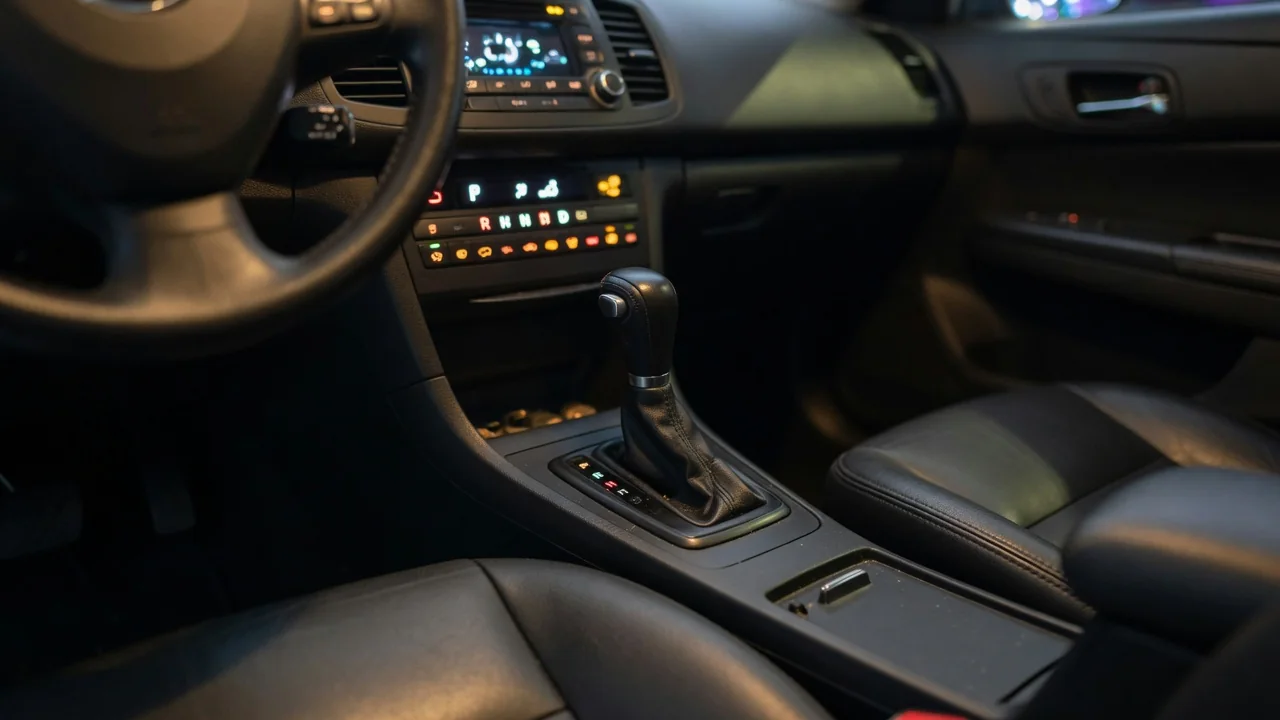
A P0705 code points to a problem the control system has detected in the transmission range circuit, the wiring and sensor that report which position the shifter is in. Because that signal affects gear display, shift control, and starter interlock logic, symptoms can range from a confusing dashboard to a no-crank condition. Related codes P0706, P0707, and P0708 describe narrower faults in the same circuit.
What P0705 Means for the Transmission Range Circuit
The generic description for P0705 is transmission range sensor circuit malfunction, and many references call it the PRNDL input circuit, after the park, reverse, neutral, drive, and low positions the sensor reports. Before interpreting any test result, confirm the exact code description for the specific vehicle, since manufacturers may word or define it differently. The transmission configuration and factory service information also matter, because range sensors may be mounted on the transmission case, integrated into the shifter assembly, or combined with other switches depending on the design.
Control modules use range information to know which position the driver selected, then apply it to shift strategy, the gear position indicator, and starting authorization. The starter interlock is intended to permit cranking only in park or neutral. Terminology varies: one manufacturer may say neutral safety switch, another transmission range sensor, and another PRNDL switch or manual lever position sensor. Whatever the name, P0705 reports a circuit condition the module considered abnormal, and the code alone does not prove the sensor itself has failed.
No-Crank Symptoms, Incorrect Gear Displays, and Safety Concerns
Common complaints linked to a P0705 code include a gear position indicator that shows the wrong letter, flickers, or goes blank, along with intermittent cranking that works in one position but not another. A warning light is typical, and some vehicles enter a restricted operating mode that limits shifting. Remember that the dashboard only repeats what the range signal reports; when that signal is unreliable, the display cannot confirm which gear is mechanically engaged, so a vehicle showing park may not actually be secured in park.
Separate a no-crank from a crank-no-start. If the starter does not turn the engine, a missing starting authorization is one possibility alongside a weak battery, poor cables, a relay fault, or an immobilizer issue. If the engine cranks but will not fire, the range circuit has already permitted starting, so fuel, spark, or security systems deserve attention. If gear selection is ever uncertain or the vehicle moves unexpectedly, stop driving it, set the parking brake, and arrange professional help or transport rather than testing its behavior.
Safe Observations and Professional Checks for P0705
Before anyone clears codes, record every stored and pending code, any available freeze-frame data, and the conditions when the symptom appeared, such as temperature, shifter position, and whether the engine was running. Note any gear-display mismatch seen during ordinary driving, plus recent transmission service, console work, or shifter cable replacement, since disturbed connectors and linkages are logical suspects. Look only in safely accessible areas, such as around the shifter console or engine bay, for chafed wiring or a loose wiring connector, without reaching beneath the vehicle.
Possible causes include connector corrosion or damage, broken or shorted wiring, a malfunctioning range sensor, and, where the design uses an adjustable selector cable or sensor, misalignment between the shifter and the transmission. A technician uses vehicle-specific wiring diagrams, scan tool live data showing the reported range in each position, circuit measurements, and selector alignment checks to isolate the fault. Starter-interlock bypasses and jumper-wire tests are unsafe shortcuts. After repair, the vehicle should crank only in the permitted positions and report every range correctly.
P0706: Checking Range Signal Plausibility
The standard P0706 description is transmission range sensor circuit range/performance, but the precise wording and setting criteria should be verified for the specific vehicle before diagnosis. In general terms, the control module has seen range information that does not fit its expected operating conditions. Examples might include a signal pattern that matches no valid position, a reading that changes without shifter movement, or a position that conflicts with other inputs. That makes P0706 a plausibility complaint, and the code does not identify which part has failed.
Professional checks usually start with scan tool live data while the selector is moved slowly through each position, watching for dropouts, delays, or overlapping readings. Where the design allows adjustment, selector alignment is compared against the correct service procedure, because a slightly misaligned sensor can report an in-between state. When P0705 or other codes are stored alongside P0706, they add context about whether the problem looks electrical, mechanical, or intermittent, but several codes together do not prove that several separate components have failed.
P0707: Investigating a Low Range Circuit Input
The generic P0707 description is transmission range sensor circuit low input, meaning the monitored signal was lower than the control module expected. Confirm how the specific vehicle's range circuit is designed and what criteria set the code, because some systems use multiple switched inputs while others use a single varying signal. Low input describes an electrical condition only. It does not mean the transmission is stuck in a low gear or that the transmission fluid level is low, although fluid may still be checked during a broader inspection.
Depending on circuit design, a low reading could come from a wire shorted to ground, a damaged connector, corrosion, a missing supply voltage, or a fault inside the sensor circuitry, and in some designs a reference or ground problem can contribute. Which possibilities matter depends on the actual wiring diagram. A technician should measure supply, ground, and signal behavior with the harness in known condition before recommending a sensor, switch, or control module replacement, since replacing parts based on the code alone can leave the fault in place.
P0708: Investigating a High Range Circuit Input
P0708 is generally described as transmission range sensor circuit high input, but the wording and setting logic should be checked against vehicle-specific service information. High input refers to the monitored electrical signal rising above its expected level. It does not mean the transmission is stuck in a high gear, even if the vehicle happens to be in a failsafe mode. As with the related codes, P0708 describes what the module measured, not which component caused that measurement.
Wiring damage, a short to voltage, a loose or corroded wiring connector, or an internal sensor fault can push the signal high. An open circuit may read high on some designs and low on others, depending on how the input is biased, so assumptions made without a wiring diagram can mislead. A technician tries to reproduce the fault by moving the selector and flexing the harness while watching live range data, then verifies circuit integrity before selecting a repair and rechecks starting authorization afterward.