P0654 Code: Engine RPM Output Circuit Meaning, Symptoms and Causes
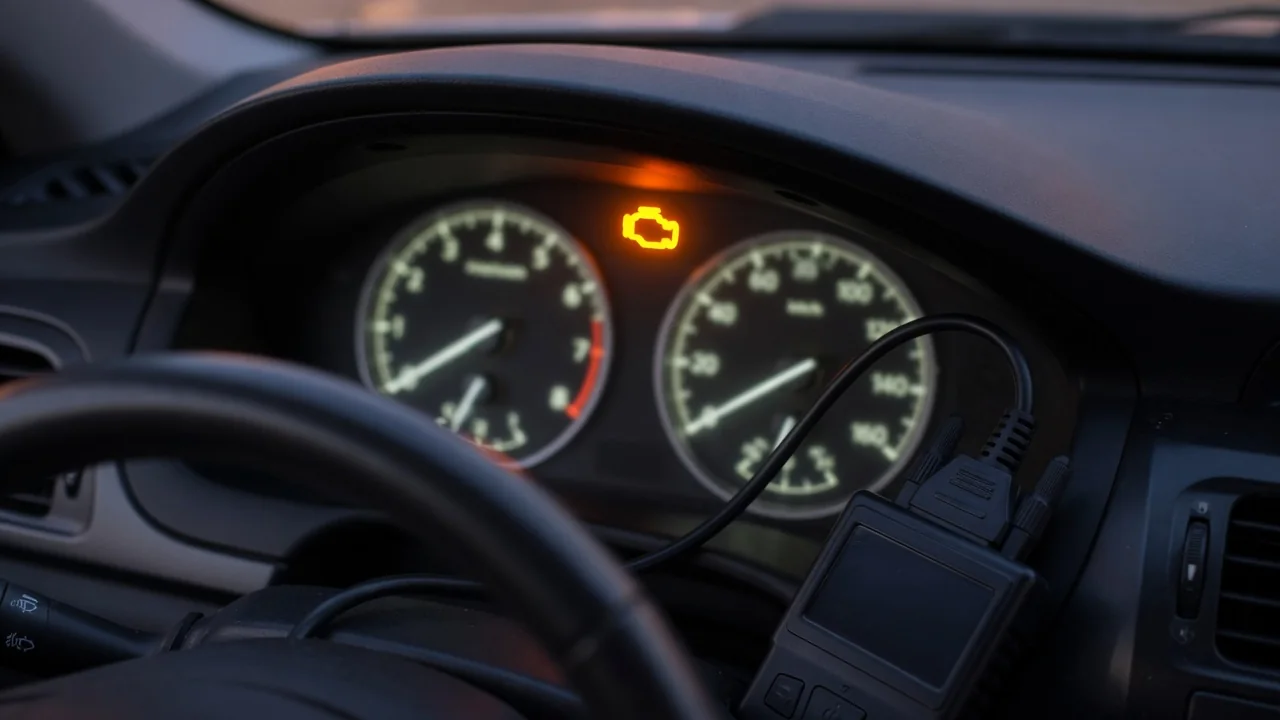
A P0654 code indicates the engine control module has detected a problem on its engine RPM output circuit. This circuit sends an engine speed signal to the tachometer and other modules. The engine may run normally, but the tachometer may stop working or behave erratically. The code means the circuit or signal is faulty, not that the engine speed itself is wrong. Exact wiring and receiving modules vary by vehicle, so check service information before diagnosis.
What the P0654 Code Means: Engine RPM Output Circuit Malfunction
P0654 is a generic powertrain diagnostic trouble code meaning 'Engine RPM Output Circuit Malfunction.' The engine control module monitors this circuit and sets the code when the returned signal does not match its commanded state. It does not mean the engine speed sensor or engine speed is faulty; it points to an electrical issue on the output line. The fault could be an open circuit, short, or excessive load. The code alone cannot identify a failed part—it is a starting point for testing.
Because the RPM output can be wired differently across vehicle makes and models, the path and receivers vary. Some vehicles use a dedicated wire to the instrument cluster, while others share the signal over a data bus. The method of detection also changes: the ECM may compare commanded and actual states, or the receiving module may report an error. Manufacturer-specific service information is essential to interpret P0654 correctly. The code may appear with communication or cluster-related codes, and freeze frame data provides context for when the fault occurred.
How the RPM Output Signal Reaches the Tachometer and Other Modules
The engine computer generates an engine RPM output signal based on crankshaft position sensor data. This signal may be a pulse-width modulated voltage sent over a dedicated wire to the tachometer, or a digital message transmitted over a vehicle network such as CAN. In either case, the receiving module decodes the signal to display engine speed or control its function. The exact delivery method depends on the vehicle, and wiring diagrams clarify the design.
Beyond the tachometer, systems that may rely on the RPM signal include anti-lock brakes, transmission control, cruise control, and body modules. A fault on this output can disrupt those systems, leading to symptoms unrelated to engine operation. For example, an ABS module might disable traction control if it loses engine speed data. That is why a P0654 can have surprising effects. Always confirm which modules receive the signal in the service information for the specific vehicle.
P0654 Code Symptoms Drivers May Notice
The most common noticeable symptom is an inoperative or erratic tachometer while the engine runs smoothly. The needle may sit at zero, bounce, or sweep to maximum despite actual engine speed. Because the engine's mechanical operation is unaffected, drivers may only notice the gauge. A check engine light will also illuminate because the ECM has stored the code and may command system monitoring to continue.
Other symptoms depend on which modules use the RPM signal. A transmission controller might change shift behavior, or a cruise control system might disengage. Some vehicles show no symptoms beyond the stored code because no other module uses the output or the fault is intermittent. Intermittent symptoms, such as a tachometer that works sometimes, often point to a loose connection or wire that makes and breaks contact with vibration, temperature, or moisture.
Likely Causes of an Engine RPM Output Circuit Fault
Wiring problems are a primary cause of P0654. The output circuit can be damaged by chafing against metal, overheating, corrosion, or physical impact. An open circuit stops the signal, while a short to ground or power can pull the line to an incorrect state. The wire may also be pinched during repairs, causing an intermittent short.
Connector issues are also common. Corrosion, loose pins, or water intrusion at the engine computer, instrument cluster, or inline connectors can increase resistance or break the connection. A problem inside a receiving module, such as a shorted tachometer input, can load down the signal and trigger the code. An engine control module fault or software issue is possible but should be the last conclusion after testing the circuit and other modules. Aftermarket devices tapped into the tachometer wire, like remote starters or gauges, can also cause this code.
Safe Checks and Observations Before a Diagnosis
Before clearing any codes, record all stored DTCs and freeze frame data with a scan tool. Freeze frame shows engine conditions when the code set, which can help a technician reproduce the fault. Note when symptoms occur—such as after hitting a bump, during rain, or only when cold—because that pattern points to the source. This information is valuable for intermittent faults.
A visual check of the wiring harness and connectors may reveal obvious damage, aftermarket wiring, or disturbed connectors near recent repairs. Do not disconnect modules or probe live circuits without proper training. A scan tool reading and visual inspection cannot pinpoint the failed wire or module; they only guide further testing. Avoid replacing the engine control module or instrument cluster based on the code alone—circuit faults are much more common.
When P0654 Needs Professional Testing and Driving Considerations
Professional diagnosis typically requires the manufacturer's diagnostic procedure, wiring diagrams, and test equipment such as a digital multimeter or oscilloscope. A technician may measure the RPM signal at the engine computer output and at each receiving module to locate where it is lost or distorted. This step-by-step process isolates wiring faults from module faults and prevents unnecessary part replacement.
If other warning lights appear, the engine runs poorly, or driving behavior changes, have the vehicle checked promptly. Those symptoms suggest a broader issue beyond a tachometer problem. If a module must be replaced, it often requires programming or setup using dealer-level tools—a task best left to a qualified shop. Driving with only a P0654 and a dead tachometer is usually safe, but the cause should still be found to prevent future damage.