P0650 Code: Malfunction Indicator Lamp Control Circuit Explained
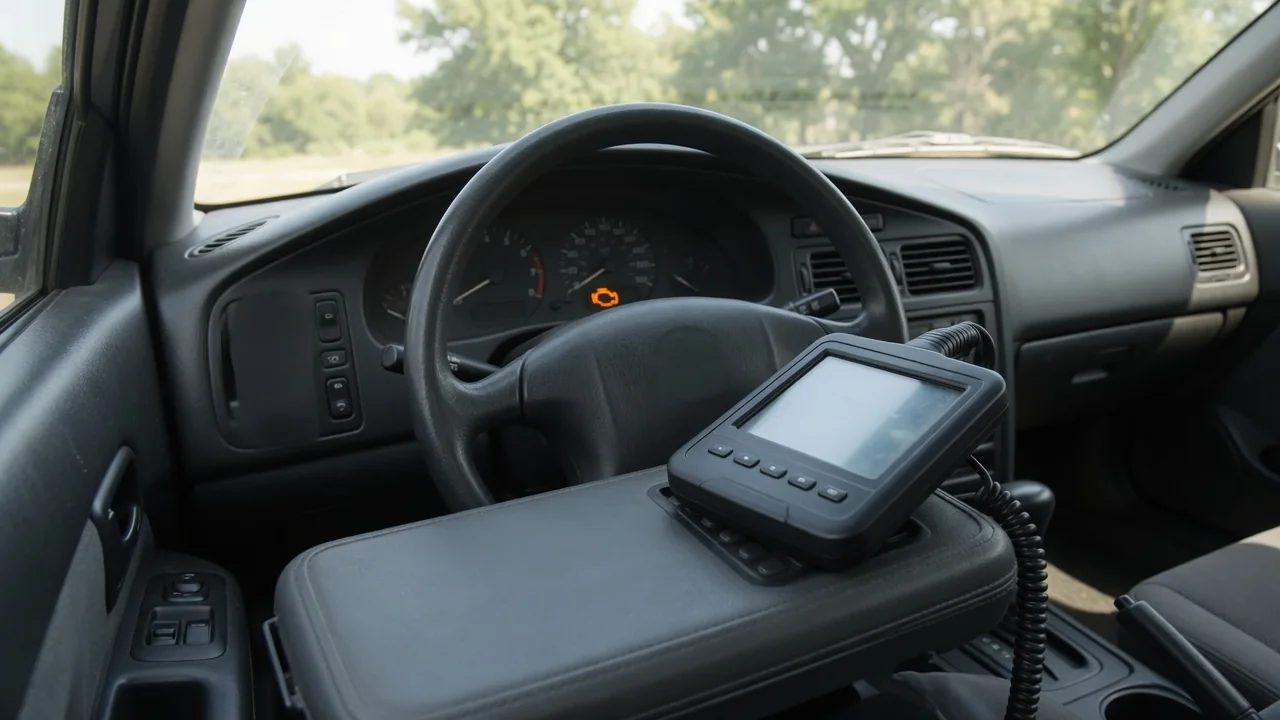
The P0650 code identifies a malfunction indicator lamp control circuit concern, not a confirmed failed part. When this diagnostic trouble code is stored, the check engine light may stay dark, remain on, or still appear normal. Circuit monitoring can be disrupted by wiring, instrument cluster, or control-path issues, and other engine or emissions faults can still exist even if the warning lamp is unreliable.
What P0650 Means in the Check Engine Light Circuit
A P0650 code generally means the control module has detected a problem in the malfunction indicator lamp control circuit rather than a proven hardware failure. That circuit is the path used to turn the check engine light on and off and, on many designs, to watch whether the lamp circuit behaves as commanded. Before any test result is interpreted, the exact code description, circuit layout, and setting conditions in the vehicle's service information must be confirmed, because manufacturer-dependent definitions and enable criteria can differ.
The stored fault is evidence of a lamp-control or circuit-monitoring concern, not proof that a bulb, cluster, or module has failed. Electrical fault conditions can exist in wiring, connectors, or electronics without identifying which item is responsible. The check engine light may also be unable to report other problems, so additional engine or emissions diagnostic trouble codes can still be present even when the warning lamp never comes on. Treating P0650 as a complete diagnosis skips that confirmation work.
Check Engine Light Behavior That Matters
A lamp self-check at key-on or engine start is the first useful observation. Many vehicles briefly illuminate the check engine light so the driver can confirm the malfunction indicator lamp works; the owner's manual describes that expected behavior for the specific instrument cluster. If the lamp stays dark during that self-check, the MIL control circuit may not be completing the command, which is one reason a P0650 code can set. A lamp that remains on after startup can instead reflect other stored faults and does not, by itself, prove a lamp-circuit failure.
Intermittent illumination, flickering, or other cluster oddities such as missing gauges or dim warning lamps are worth recording because they can point to shared power, ground, or communication issues in the instrument cluster. Those observations still do not isolate a failed part. Circuit monitoring can also store P0650 even when the check engine light appears to operate normally, because the module may see an out-of-range control signal, an unexpected current, or a brief open that the driver never notices. Note when the lamp acts up relative to starting, vibration, or electrical loads.
Possible Faults in the Lamp Control Path
Possible causes along the lamp control path include damaged wiring, loose or corroded connectors, missing power supply, and poor grounds. Any of those electrical fault conditions can interrupt the command to the malfunction indicator lamp or make the monitored circuit look open, shorted, or out of range. Depending on vehicle design, the lamp itself may be a replaceable element, a cluster-mounted LED, or part of the instrument cluster electronics, so a dark check engine light does not automatically mean a burned bulb. Those possibilities require testing rather than parts swapping.
Control-module output faults and communication problems are possible only where the vehicle's circuit architecture actually uses a driver circuit, a serial command to the cluster, or similar control of the check engine light. On some designs the engine controller directly powers or grounds the lamp; on others the instrument cluster receives a request and reports status back. Because those arrangements differ, a P0650 code alone cannot justify replacing the cluster or an engine control module. Replacement is reasonable only after evidence isolates the failed portion of the path.
Safe Observations Before a Diagnostic Appointment
Before a diagnostic appointment, record what the check engine light does during a normal startup while the vehicle is parked and in a safe location. Watch for the lamp self-check, whether the malfunction indicator lamp stays on, and any other cluster messages. If a scan tool is available, save the exact P0650 code description, code status such as current or pending, freeze-frame if present, and any accompanying diagnostic trouble codes. Do not clear stored faults; clearing erases evidence the technician needs for circuit monitoring history and related engine or emissions issues.
Also note recent battery trouble, jump-starts, charging-system work, or other electrical repairs, along with intermittent dashboard behavior, without assuming those events caused the P0650 code. Low system voltage and disturbed connectors can contribute to an electrical fault in the MIL control circuit, but they can also be coincidental. Owner checks should stay observational. Cluster removal, connector probing, jumper wires, and electrical bypass tests belong with a qualified technician who has wiring diagrams and the correct procedure, because incorrect probing can damage cluster electronics or create new opens and shorts.
How a Technician Diagnoses a P0650 Code
A technician starts with the vehicle-specific diagnostic procedure, all stored codes, and any available fault records rather than treating P0650 in isolation. Service information defines how that vehicle commands the malfunction indicator lamp, what circuit monitoring looks for, and which conditions must be met before the code sets. Where the scan tool supports a lamp command, commanding the check engine light on and off helps show whether the warning lamp responds as expected. A lamp that follows the command still does not rule out an intermittent MIL control circuit problem.
Professional circuit testing then follows the wiring diagrams for supply voltage, ground integrity, connection quality, and the control signal used on that design. Measurements are compared with the published setting conditions so an open, short, or out-of-range result is interpreted in context. Component replacement is recommended only after that evidence isolates the fault to a specific portion of the path. After repair, verification includes correct check engine light operation during the lamp self-check and commanded tests, plus completion of the applicable fault-monitoring conditions so the diagnostic trouble code does not return.
Driving Decisions When the Warning Lamp Is Unreliable
An unreliable check engine light can conceal a warning that would otherwise tell the driver an engine or emissions problem is present, so normal drivability does not establish that the vehicle is fault-free. Because the malfunction indicator lamp is part of circuit monitoring for other diagnostic trouble codes, a dark or stuck lamp leaves those conditions harder to notice. Prompt diagnosis of a P0650 code is the practical response. There is no universally safe driving distance when the warning lamp cannot be trusted, because the next stored fault may or may not affect how the vehicle runs.
Severe rough running, stalling, overheating, or a flashing check engine light are reasons to stop safely and seek assistance rather than continue driving to diagnose the MIL control circuit. A flashing lamp, when it still works, typically indicates a misfire condition that can damage a catalytic converter; if the lamp cannot be trusted, those same operating symptoms still warrant stopping. Warning-lamp operation and stored faults may also affect an emissions inspection, depending on local requirements, because inspectors often look for a working malfunction indicator lamp and for readiness of monitored systems after a P0650 repair.