P0645, P0646 and P0647: A/C Clutch Relay Control Circuit Codes
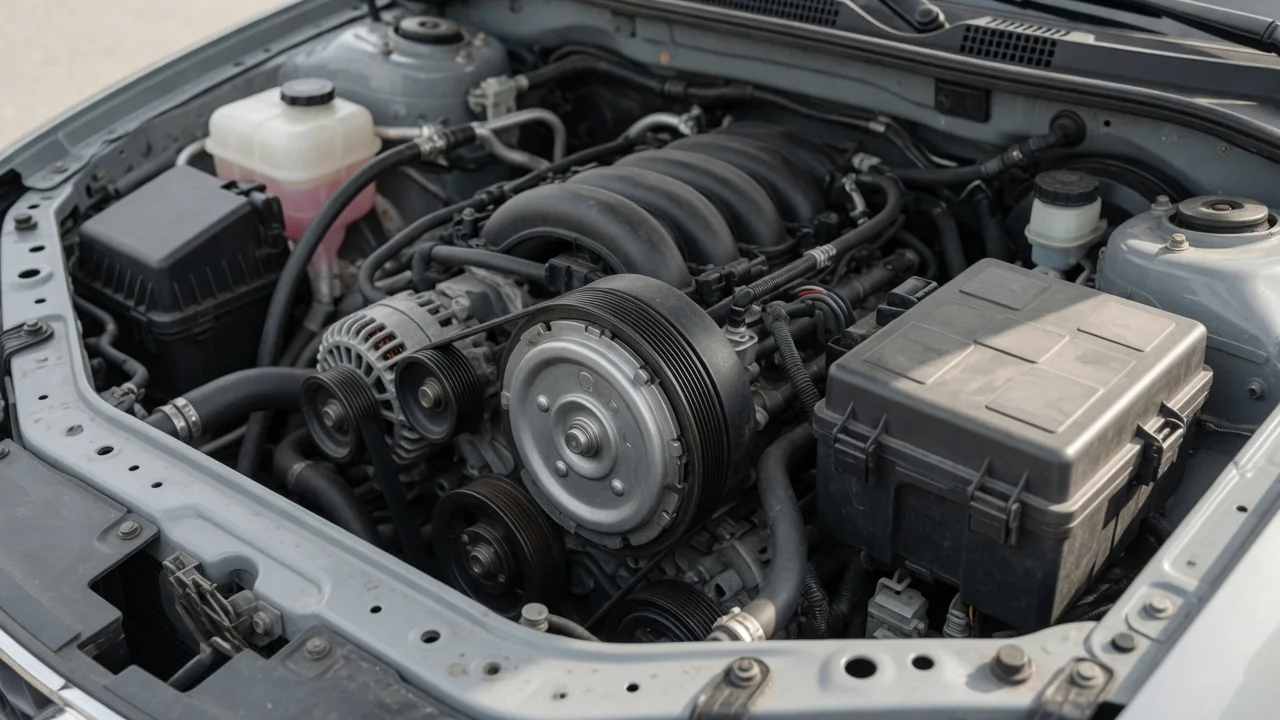
When an A/C compressor clutch does not engage as expected, stored codes such as P0645, P0646, and P0647 often point to the relay control circuit rather than the compressor itself. A P0645 code, P0646 code, or P0647 code is electrical evidence to interpret, not proof that a part has failed. Vehicle year, make, model, and engine determine the exact definition, so the same label can describe different circuit arrangements.
What P0645 Indicates in the A/C Relay Control Circuit
On applicable powertrain control systems, P0645 generally identifies a fault in the A/C clutch relay control circuit. That description still needs confirmation against the diagnostic information for the vehicle's year, make, model, and engine, because manufacturer-dependent codes can share a label while monitoring different control paths. The stored P0645 result is a circuit observation, not a parts list. Relays, fuses, wiring, connectors, and the control module itself remain candidates until tests isolate the actual failure.
Where the design applies, the control module issues a compressor command after an A/C request and then watches how the relay control circuit behaves. Circuit voltage, continuity, and switching response are compared with expected values for the commanded state. The vehicle's wiring diagram establishes whether the module grounds the relay coil, supplies it, or monitors a related sense line. Without that arrangement, a technician cannot tell whether an abnormal reading means an open, a short, or simply a different expected polarity.
How to Interpret P0646 Circuit Low
After the vehicle-specific definition is confirmed, P0646 is an A/C clutch relay control circuit low indication. The P0646 code means the monitored electrical signal sat below the expected range while the control module watched the circuit, not that refrigerant pressure or charge is low. Cabin cooling may still suffer if the A/C compressor clutch never receives a valid command, but that cooling loss is a possible consequence of the electrical result rather than the meaning of low in the code title.
A circuit-low indication can arise from several electrical paths. A short to ground on the control side can pull circuit voltage down. A failed relay coil, a damaged electrical connector, a missing supply, or a control-module output that cannot hold the intended state can produce the same stored result. The wiring harness layout and measured values decide which path is real. Until those tests are complete, replacing the compressor, the relay, or the module based on P0646 alone remains guesswork.
How to Interpret P0647 Circuit High
Once the published definition for that vehicle is verified, P0647 generally indicates an A/C clutch relay control circuit high condition. High describes the monitored electrical result, not excessive refrigerant pressure. The P0647 code is recorded when circuit voltage or the sensed control state stays above the expected window while the module is evaluating the circuit. That reading can coincide with no-cold-air complaints, yet the code still does not measure the A/C system's high-side pressure or charge.
Depending on circuit design and commanded state, a short to voltage, an open circuit, a stuck relay, or a control-module driver that cannot pull the line down may all produce a circuit-high result. An open coil or a disconnected electrical connector can leave a sense line sitting high when the compressor command expects it to change. The opposite fault can look identical on another architecture. P0647 therefore cannot name a single failed part; the wiring information and test results must sort the possibilities.
Cooling Symptoms and Details Worth Recording
Possible symptoms include warm vent air, cooling that comes and goes, or an A/C compressor clutch that stays still when an A/C request is present. Not every vehicle with P0645, P0646, or P0647 will show all of those complaints, and some may set the code with little cabin effect if the clutch still happens to engage. Record when cooling fails, whether cabin airflow remains normal, and whether the fault changes with idle, speed, heat, or repeated A/C requests. Those notes later match freeze-frame data.
A stationary clutch also does not prove a bad relay or compressor. Control modules can withhold a compressor command for high engine load, low idle quality, pressure-switch input, or other inhibit conditions unrelated to the relay control circuit. Distinguishing an intentional inhibit from a circuit fault requires scan data, not a glance at the pulley. Before any codes are cleared, preserve stored and pending codes and available freeze-frame data. That snapshot shows engine speed, load, and A/C request status when the fault was recorded.
Safe Observations Around Fuses, Relays, and Wiring
The owner's manual or applicable service information identifies the correct fuse and relay locations for that vehicle. Some A/C clutch circuits use a serviceable relay in a fuse box; others integrate the driver inside a control module or a power distribution center, so assuming a removable relay is fitted can send the search to the wrong place. With the engine and ignition off, accessible visual checks are limited to obvious wiring harness damage, corrosion at an electrical connector, or heat discoloration around a fuse or relay cavity.
A blown fuse can be a clue that an underlying electrical fault still exists, such as a short in the wiring harness or a seized load on the clutch circuit. Repeated fuse replacement does not diagnose that cause and can allow damage to continue. Relay bypassing, jumper wires, applying power directly to the clutch, live probing, and refrigerant handling belong outside owner work. Keep hands away from belts and cooling fans even when the engine is off, because residual heat and automatic fan operation remain hazards.
Professional Tests That Establish the Fault and Confirm Repair
A technician follows the applicable diagnostic procedure with the wiring diagram, scan data, and electrical measurements to check relay supply, the control path, connections, and commanded operation. Scan tools can show whether an A/C request produced a compressor command and how circuit voltage responded. Integrity of the fuse and relay, wiring faults, and connector condition need that evidence before a control module or compressor is condemned. The same stored codes can originate at a corroded connector or an open control wire rather than a failed compressor.
If the electrical fault is repaired but cooling remains poor, refrigerant-system conditions need a separate evaluation. These codes alone do not justify adding refrigerant. Repair is confirmed when the relay control circuit operates as commanded, the codes do not return on a proper recheck, and cooling performance is restored under the conditions that previously failed. Burning odors or melted wiring deserve prompt professional attention. Impaired windshield clearing is also a safety issue, so driving in rain or high humidity with no defog capability should be avoided.