P0634, P0668 and P0669: PCM, ECM or TCM Internal Temperature Codes
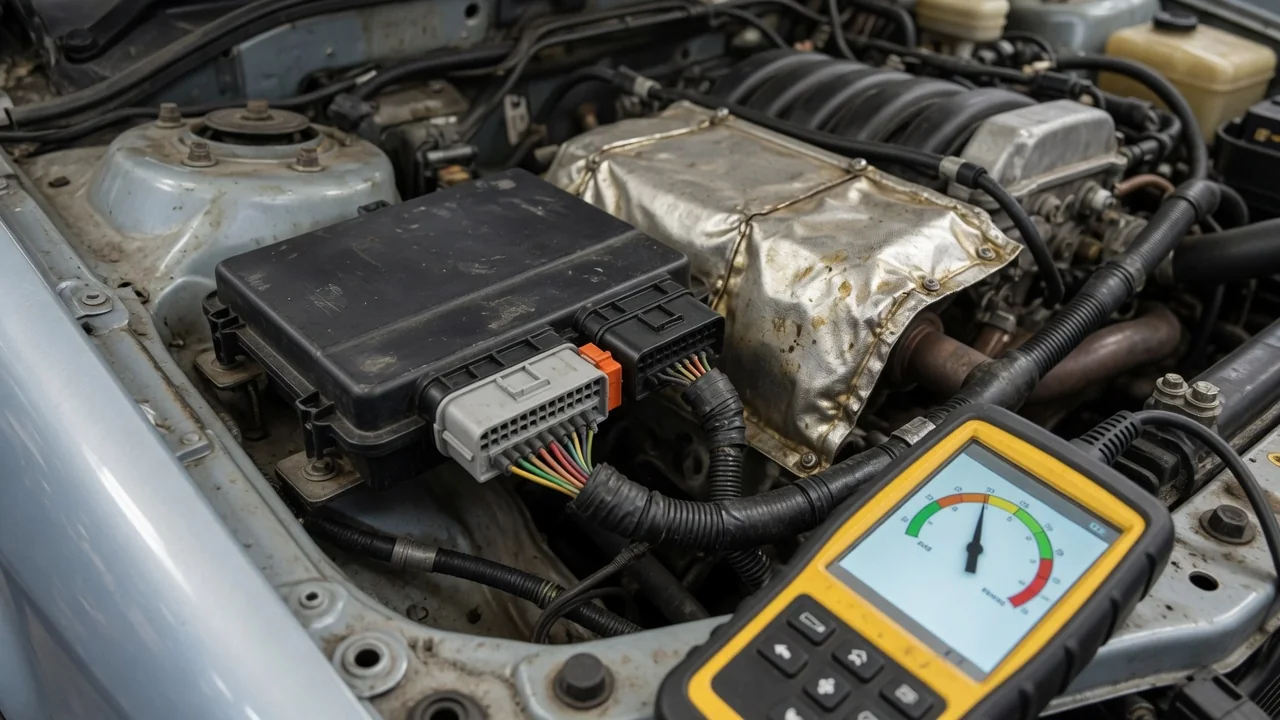
When a P0634, P0668, or P0669 code appears, your vehicle is telling you that a control module—powertrain control module (PCM), engine control module (ECM), or transmission control module (TCM)—has reported an internal temperature problem. These generic diagnostic trouble codes can trigger the check engine light, reduce power, or alter shifting. Because the symptoms and causes vary by manufacturer and module, you need to confirm which module stored the code and read the exact definition for your vehicle before interpreting it.
What P0634 Means: Control Module Internal Temperature Too High
P0634 is set when a control module reports that its internal temperature is above the limit it allows. The generic description names the PCM, ECM, or TCM, but these modules are not interchangeable. On one vehicle, the TCM might monitor its own heat; on another, the ECM might watch the controller area network. Always confirm which module stored the code and its exact definition in the manufacturer's service information, because the enable conditions and thresholds vary by vehicle.
The code may reflect real heat at the module, such as from a nearby exhaust component, or a false reading from the module's own internal sensing circuit. The code alone cannot tell you which. Driver-noticeable effects can include a warning light, reduced power mode, or changed shifting behavior. Some vehicles enter limp mode to protect the module, while others may simply store the code and continue normal operation. The specific response depends on the vehicle's programming.
Reading a P0634 Code Safely: Freeze Frame, Conditions and Patterns
Freeze frame data captures the operating conditions when the code set, including ambient temperature, engine temperature, load, and time since start. This snapshot can show whether the code appeared during a cold start, after a hot soak, or while towing a heavy load. For example, if the freeze frame shows a high intake air temperature and high engine load, the module may have genuinely overheated. If it shows a cold engine at idle, a sensor or circuit fault is more likely.
Note whether the code returns after a hot soak, heavy towing, long idling, or hot weather. That pattern helps a technician decide whether to focus on cooling or electrical faults. Also check for companion codes from other modules and for communication or voltage codes stored at the same time. A U-code for lost communication with the TCM, for instance, might indicate a network issue rather than heat. Avoid clearing the code repeatedly or driving hard in a reduced-power mode, as that can mask a worsening condition.
P0668: Internal Temperature Sensor Circuit Low
P0668 generally points to a low signal from the module's internal temperature sensing circuit. It does not by itself confirm that the module actually overheated; a low reading could mean the sensor circuit is shorted or biased low. Because the circuit is usually inside the module, the fault may not be something you can see or reach from outside. The manufacturer's definition should be checked first, as some vehicles use this code for a specific internal thermistor failure.
What the code limits is the module's ability to protect itself. If the module cannot trust its own temperature reading, it may not initiate cooling strategies or may enter a conservative operating mode. Related checks a shop may do include module supply voltage, grounds, and connector condition, without giving step-by-step electrical procedures. A corroded connector or poor ground can pull the sensor signal low, mimicking an internal fault. The code's meaning depends on the exact circuit design.
Diagnosing a P0668 Code: Separating Sensor Faults From Real Heat
A scan tool that shows the module's reported internal temperature, where the vehicle supports it, can reveal readings that make no sense for the actual conditions. For example, if the scan tool shows -40 degrees Fahrenheit on a warm engine, the sensor circuit is likely open or shorted. Comparing that reading with ambient and engine temperature data is an observation, not a final diagnosis, but it helps narrow the fault to the sensor, wiring, or module.
Corrosion, water intrusion, or a damaged connector at the module can affect readings and should be inspected visually with the ignition off. Look for green fuzz on pins, cracked connector housings, or signs of moisture. If the connector and wiring look intact, and the reading is still implausible, manufacturer technical service information or dealer-level diagnostics may be needed. Some modules have internal temperature sensors that cannot be replaced separately, so the repair may involve module replacement and programming.
P0669: Internal Temperature Sensor Circuit High
P0669 generally indicates a high signal from the module's internal temperature sensing circuit, the opposite of P0668. The exact meaning should be confirmed for the specific vehicle, as some manufacturers define it as an open circuit or an overheat condition. A high reading can look like an open circuit—infinite resistance—or a genuine overheat, and the code alone cannot tell you which. If P0669 appears alongside P0634 or P0668, report both to the technician together; the combination changes the diagnosis.
Often a P0669 with a P0634 suggests real heat, while P0669 alone may point to an open sensor or wiring. General outside factors worth ruling out include charging system voltage problems and poor module grounds, without claiming they are the usual cause. A failing alternator that overcharges can raise module internal temperature, and a loose ground can create strange sensor readings. But these are not default explanations; each vehicle's wiring diagram and service procedures are needed.
Heat, Cooling and Mounting Causes Around the Module
A module's location near heat sources, in a cramped space, or with blocked airflow can raise its operating temperature. For example, a TCM mounted on the transmission case absorbs heat from the fluid, and an ECM near the exhaust manifold can be baked. Safe visual observations with the engine off include missing or displaced heat shields, debris or insulation around the module, loose mounting, and signs of fluid or water intrusion. A module that is loose may not dissipate heat through its mounting bracket.
Any earlier repair or aftermarket equipment installed near the module is worth noting, without assuming it caused the fault. A body shop that left a heat shield off, or an owner who added an aftermarket intake that blocks airflow, could inadvertently raise temperatures. Do not run the engine to check hot parts, and do not disconnect or unplug modules while powered or adjust wiring near exhaust or cooling components. Let the vehicle cool before any visual inspection, and leave electrical testing to a qualified technician.
Is the Module Failing? Limits of the Codes and When to Get Professional Testing
None of these codes on its own proves the PCM, ECM, or TCM is bad. Outside causes such as voltage, grounding, connectors, and real heat should be ruled out first. A code means the module reported an abnormal condition; it does not identify the root cause. Professional testing is needed when codes repeat after clearing, reduced-power or limp mode appears, shifting problems occur, or several module codes are stored at once. At that point, bench testing or known-good substitution may be used under controlled conditions.
Replacement modules may need programming, configuration, or security setup matched to the vehicle, and fit should be confirmed by VIN and not assumed. Installing a used module with different software can create new codes or disable features. Look up manufacturer bulletins or software updates for your exact vehicle through a dealer or qualified shop instead of relying on general claims. Some vehicles have known issues with temperature sensor calibration fixed by a reflash, while others may require a module replacement. Only a proper diagnosis with the correct service information can determine the correct repair.