P0633 Code: Immobilizer Key Programming and Starting Problems
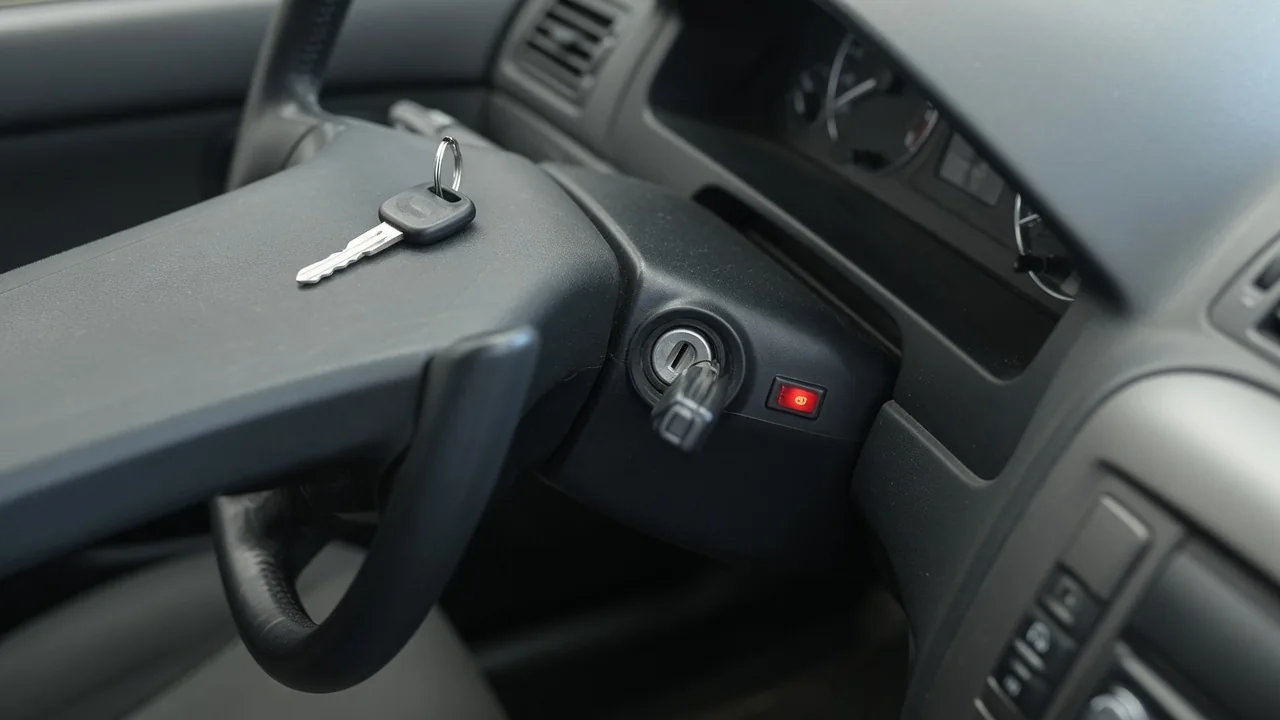
A P0633 code typically points to an immobilizer key-programming issue involving the engine control module, but the exact meaning depends on the vehicle. Drivers often notice crank-no-start behavior or a security indicator that never settles into a normal pattern. The stored code is a clue about start authorization, not a verdict that a key, immobilizer, or controller has failed. Confirm the published definition for the year, make, model, and powertrain before deciding what to inspect.
What P0633 Means for Your Vehicle
Service information commonly lists P0633 as Immobilizer Key Not Programmed—ECM/PCM, which describes a mismatch between key recognition data and the engine control module. That wording is a starting point, not a universal definition. Controllers, immobilizer modules, and programming procedures vary by year, make, model, and powertrain, so the same P0633 code can point to different start-authorization logic. Look up the vehicle-specific description and enabling conditions before treating the message as proof that a key was never learned.
During a start request, the immobilizer and engine controller exchange start-authorization information so the powertrain will crank and fuel only when an authorized key is recognized. If that handshake fails, the controller can store P0633 while the security indicator stays on, flashes, or displays a theft-related message. The code does not identify whether the key, programming status, engine control module, immobilizer hardware, or another security-system component is at fault. Treat it as evidence that authorization did not complete as designed, then follow the verified system description for that vehicle.
Starting Symptoms and Security Indicators to Record
A start-authorization problem may appear as a crank-no-start, as a starter that never engages, or as a brief crank that dies immediately, depending on how the vehicle implements immobilizer control. Some dashboards show a security warning, a key-symbol lamp, or a message that the system does not recognize the key. Record whether the engine cranks, how long it cranks, and how the security indicator behaves before, during, and after the attempt. Those notes help a technician compare observed behavior with the immobilizer strategy for that model.
A stored P0633 on a vehicle that currently starts still needs context. Note whether the code is pending, current, or history-only, and whether recent battery work, key replacement, or module service happened around the same time. Intermittent key recognition, a recovered programming session, or an unrelated scan after a no-start event can leave the code behind after driving resumes. Starting symptoms by themselves cannot confirm an immobilizer fault, because fuel, starter, and power-supply problems can look similar until codes, indicator behavior, and service history are compared together.
Key and Controller Changes That May Explain P0633
When the verified code definition supports it, an unprogrammed or unrecognized key is a plausible reason for P0633. A newly cut mechanical key, a used transponder, or a fob that was never learned to this engine control module can fail key recognition even if it turns the cylinder. Engine-controller replacement or incomplete immobilizer key programming after a module swap can leave required security data unlearned, so start authorization never completes. Incomplete setup after cloning, flashing, or transferring a used PCM can produce the same stored code until the vehicle-specific learning procedure is finished.
Related immobilizer fault codes, lost communication with a security module, or unstable power at the controller can prevent a successful learn even when the key itself is the intended spare. Those conditions deserve investigation before another programming attempt, because repeating a learn over a communication or supply fault can fail again and add confusion. Document recent key replacement, module work, or an interrupted programming session, including whether the process lost power mid-cycle. Timing is useful history, not proof of cause; the stored P0633 still needs vehicle-specific testing to separate an unlearned key from a supporting-system problem.
Safe Checks Before Booking Diagnostic Work
If a previously working, authorized spare key is available, note whether that key starts the vehicle, following the owner’s manual and stopping after a limited number of unsuccessful attempts. Repeated failed cranks can drain the battery and, on some systems, add lockout delays that look like a deeper immobilizer problem. Remote lock and unlock can work while start authorization still fails, because those are separate functions. A working remote therefore does not prove the transponder was recognized for engine start, and a dead remote does not prove the immobilizer is the reason the engine will not run.
Record every available code, freeze-frame snapshot, and dashboard message before clearing anything. Erasing P0633 does not program a key, restore immobilizer data, or repair a controller, and it can remove the only timestamp tying the event to a recent module or key change. Many basic code readers report P0633 from the engine controller yet cannot display security-module codes, key-status data, or authorization results. When those details are required, a technician with factory-level or equivalent security access needs to inspect the immobilizer network rather than treating a generic powertrain scan as complete.
Programming, Repairs, and Confirmation of Resolution
Professional resolution follows vehicle-specific testing and may include authorized immobilizer key programming, engine-control-module initialization, or repair of a confirmed supporting fault such as a communication or power-supply problem. A qualified automotive locksmith or repair facility should confirm that the vehicle is within its coverage, that required programming credentials are available, and that proof-of-ownership documents meet the shop’s policy before accepting the job. Replacement keys or modules should not be purchased solely because P0633 is present. Suitability, immobilizer type, and programming requirements need verification so an incompatible part is not ordered first.
After repairs or programming, confirmation means the intended authorized keys start the engine reliably, the security indicator returns to its normal pattern, and a follow-up scan using the applicable diagnostic procedure shows the P0633 code has not returned under the conditions that originally set it. If the vehicle will not start in a safe location, roadside assistance or towing is the practical next step. Immobilizer bypasses, wiring alterations, and security-access shortcuts are not appropriate responses to this code, because they can disable theft protection and leave unresolved faults in the start-authorization path.