P0627, P0628 and P0629: Fuel Pump Control Circuit Codes Explained
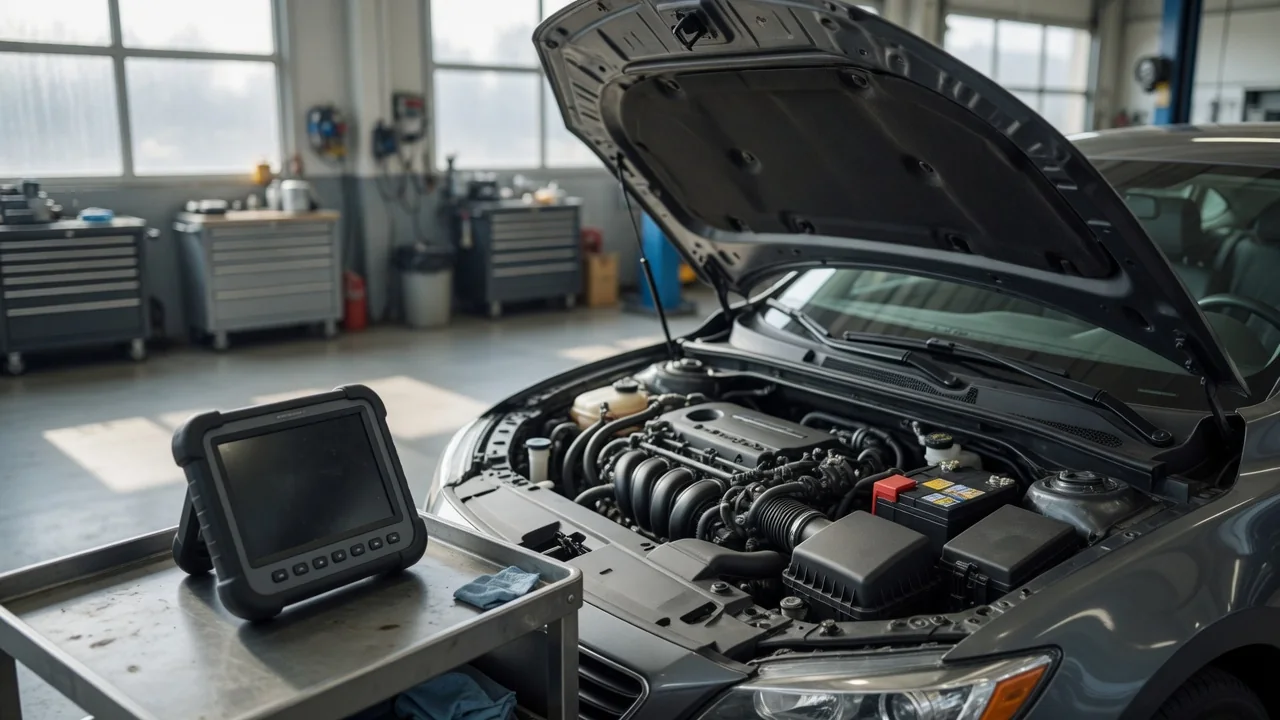
A P0627, P0628, or P0629 code points to the fuel pump A control circuit, not automatically to a failed pump. These related diagnostic trouble codes describe an open, low, or high electrical condition on the monitored control path. Interpretation depends on the vehicle’s year, make, model, and engine, because circuit layout, relay use, and module control vary. Treat each stored result as evidence that needs confirmation, not as a parts list.
P0627: Fuel Pump A Control Circuit/Open
The standard P0627 descriptor is fuel pump A control circuit/open. A P0627 code means the control module detected an open on the monitored fuel pump A control circuit under the conditions defined for that calibration. Before treating designation A as a particular pump or interpreting which wire is involved, check service information for the exact year, make, model, and engine. Some vehicles use a dedicated fuel pump relay; others command a fuel pump control module. The same P0627 label can describe different hardware.
An open circuit is an interrupted electrical path. That break can sit in the wiring harness, a connector, a fuse, a relay contact, a module driver, or the pump’s control input, and the stored P0627 result does not locate the interruption. A control circuit code also does not establish that the pump itself has failed or that fuel pressure is inadequate. Delivery can still be present if the pump is powered another way, or missing for reasons unrelated to this monitor. Confirm the path before replacing parts.
P0628: Fuel Pump A Control Circuit Low
The standard P0628 descriptor is fuel pump A control circuit low. A P0628 code indicates the module saw control circuit voltage below the expected range for the monitored interval, not that tank level is low. Code-setting conditions, voltage thresholds, and which conductor is watched are manufacturer dependent, so the vehicle-specific circuit design must be verified in service information. On some layouts the control wire is a ground-side command; on others it is a power feed through a fuel pump relay or module.
Low describes a monitored electrical condition. It does not refer to remaining fuel and does not directly measure fuel pressure at the rail or in the tank. A low reading can come from a weak supply, high resistance in the wiring harness, connector corrosion, a sticking or poorly seated fuel pump relay, a compromised ground, or a control-side fault in a module. The P0628 result alone cannot assign which of those applies. Professional testing has to compare commanded state with actual voltage on the correct pin.
P0629: Fuel Pump A Control Circuit High
The standard P0629 descriptor is fuel pump A control circuit high. A P0629 code means the monitor saw control circuit voltage above the expected window, again under conditions that must be confirmed in vehicle-specific service information. Expected behavior when the pump is commanded on or off, and which terminal is sampled, change with architecture. Confirming the monitored circuit prevents treating a high result as if every vehicle shares one wiring scheme or one definition of pump A.
High describes the monitored electrical condition, not excessive fuel pressure. A short to voltage, a failed-open driver that leaves the line pulled high, a miswired repair, or a fault inside a fuel pump control module can all produce a P0629 reading, depending on whether the circuit is power-side or ground-side controlled. Interpretation depends on that design and on professional testing that compares the live signal with the commanded state. The code is a reason to inspect the control path, not proof of over-delivery.
Symptoms and When to Stop Driving
A fuel pump A control circuit fault can show up as hard starting, cranking without starting, stalling, or hesitation, and the malfunction indicator may illuminate when P0627, P0628, or P0629 sets. Noticeable drivability symptoms may also be absent, especially if the monitor ran during a brief command window and the pump still received enough power afterward. Those same complaints have many other causes, including ignition, air metering, and unrelated fuel-delivery problems, so the stored code should be read with the freeze-frame context rather than treated as a complete diagnosis.
Hearing the pump prime does not confirm proper fuel delivery, because a noisy unit can still be underperforming and a quiet circuit can still move fuel if command is brief. If the engine stalls repeatedly or power drops while moving, stop in a safe place and arrange assistance rather than continuing. Do not restart if there is a fuel smell or a visible leak; leave the ignition off and keep sparks, heat, and extra cranking away from the area until the leak is evaluated.
Safe Observations Before a Repair Appointment
Before a repair appointment, save all stored and pending codes and any available freeze-frame data, and note when the symptoms occurred, including hot or cold start, idle, or load. Clearing information first removes the snapshot that shows engine speed, load, and voltage when the monitor failed. With the engine off and cool, a visual check of readily accessible wiring and connectors can look for obvious damage, rubbing, or connector corrosion. Do not disconnect components or reach near hot exhaust, belts, or cooling fans.
Use the owner’s manual to identify relevant fuse information for the fuel pump or related control circuits. A blown fuse is a symptom that still requires finding the cause; it must never be bypassed or replaced with a higher rating. Owner checks should stop at observation. Do not jump a fuel pump relay, apply power directly to the pump, open fuel lines, or probe energized circuits. Those actions can create a fire risk, damage a fuel pump control module, or mask the original open, low, or high condition.
How Professional Testing Identifies the Fault
A technician starts with the correct wiring diagram to identify the pump control arrangement, including whether a fuel pump relay, a fuel pump control module, or a powertrain module driver commands pump A, plus the power feeds and grounds that support that path. Testing then verifies commanded operation, supply and ground integrity, circuit continuity, and control behavior under the same conditions associated with the fault. That comparison shows whether an open circuit, a low voltage, or a high voltage is still present on the monitored conductor.
Electrical interpretation of a P0627, P0628, or P0629 code cannot substitute for measuring pump performance when drivability or pressure concerns remain. Separate fuel-delivery testing is needed if the control circuit checks good yet starting, stalling, or power loss continues, because the monitor never proved volume or pressure. A pump, relay, or module should be replaced only with evidence that the part is at fault. After the repair, verification includes confirming commanded control, watching for returning codes, and checking that the original symptoms stay gone.