P0601, P0603, P0604 and P0605: Control Module Memory Errors
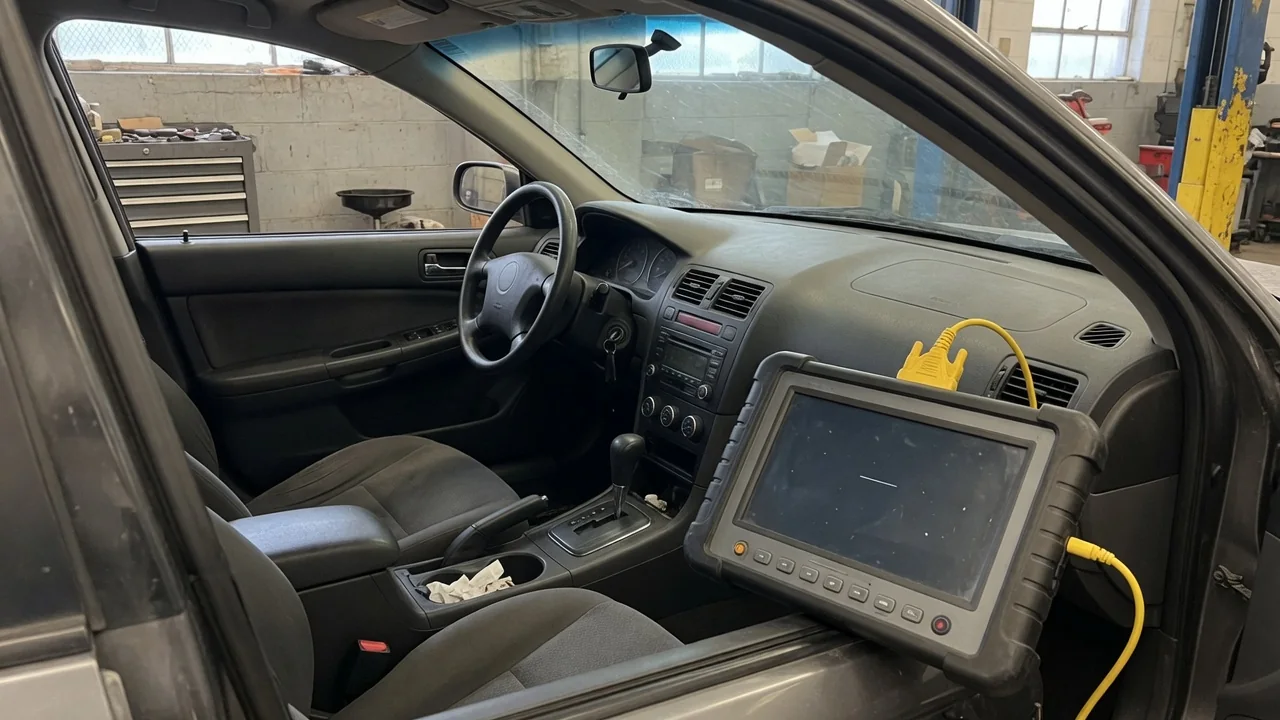
The P0601, P0603, P0604 and P0605 codes point to internal memory problems inside a powertrain control module rather than to a failed sensor on the engine. A P0603 code flags keep-alive memory, while P0601, P0604 and P0605 report checksum, random-access memory and read-only memory faults. Each is evidence to interpret with freeze-frame data, module power and ground checks, and vehicle-specific confirmation before anyone assumes the module needs replacement.
P0601: What an Internal Memory Checksum Error Means
A checksum is a calculated value the powertrain control module uses to confirm that stored data still matches what was written, much like a running total that reveals corruption if the numbers no longer agree. The standard P0601 description is an internal control module memory checksum error, meaning the module detected that its own stored information failed that integrity check. A P0601 code therefore records a failed internal verification of control software or calibration data, not a named sensor or actuator fault on the engine.
Before interpreting a P0601, P0603, P0604 or P0605 result, confirm the exact manufacturer wording, which module reported the fault, and the diagnostic procedure written for that vehicle. These codes are manufacturer-dependent in how they set, what memory they inspect, and what follow-up tests apply. A P0601 code shows the internal check failed; it does not prove a hardware failure or that module replacement is required. Supply problems, interrupted module programming, or a false detection can produce the same stored result until vehicle-specific tests decide otherwise.
P0603: Understanding a Keep-Alive Memory Error
The standard P0603 description is a keep-alive memory error inside the powertrain control module. Keep-alive memory holds retained operating information the controller needs after shutdown, including learned fuel trim, idle adaptation, and other adaptive values that would otherwise reset when the ignition is turned off. A P0603 code means the module found that this retained memory was lost, corrupted, or failed an internal check. That result is evidence of a memory integrity problem, not proof that a particular integrated circuit has failed.
Recent battery disconnection, a discharged battery, or any power interruption belongs in the diagnostic history because keep-alive memory often depends on a continuous supply. That history does not prove the interruption caused the P0603 code; it only flags a condition that can erase or disturb retained data. Check vehicle-specific information about what memory is retained, how the module relearns after a loss, and which tests apply. Do not treat a generic reset or a generic drive cycle as a universal fix, because those steps vary by manufacturer and may not restore or verify keep-alive memory.
P0604: Understanding an Internal RAM Error
The standard P0604 description is an internal control module random-access memory error. Random-access memory is the working memory the powertrain control module uses while it runs: live sensor values, intermediate calculations, and temporary control outputs sit there during operation rather than in long-term storage. A P0604 code means the module detected a fault while reading, writing, or verifying that working memory. The stored P0604 result reports a RAM integrity problem at the time of the test, not a diagnosis of which engine or transmission part is at fault.
A P0604 code cannot identify a failed component inside the module. Internal RAM occupies silicon that the owner and most shops cannot inspect, so the code is a self-test result, not a pinpoint of a cracked die or a bad cell. Unstable module power and ground, connector corrosion, or a voltage drop during the self-check can disturb working memory and set the same fault. Assess supply integrity and follow applicable software guidance for that vehicle before treating the controller as scrap, because the code alone does not prove hardware replacement is warranted.
P0605: Understanding an Internal ROM Error
The standard P0605 description is an internal control module read-only memory error. Read-only memory holds the stored operating instructions the powertrain control module needs to start, read sensors, and command actuators; it is the lasting program and calibration image rather than the temporary workspace used during a drive. A P0605 code means the module found that this stored instruction set failed an internal read or integrity check. Like the related P0601 checksum result, that finding reports a problem with stored program data, not a failed oxygen sensor, coil, or injector.
A P0605 code does not by itself establish whether software recovery or hardware replacement is appropriate. Whether a later programming session can restore the stored instructions, or whether the controller itself is unusable, depends on the vehicle and on tests that have not yet been completed. Recent module programming, interrupted programming, or a newly installed controller is relevant history for professional diagnosis, without assuming any of those events occurred. Manufacturer-dependent ROM checks require vehicle-specific confirmation of the reporting module and the prescribed recovery path.
Symptoms, Driving Decisions and Safe Owner Observations
A P0601, P0603, P0604 or P0605 code may appear with a malfunction indicator lamp, hard starting, stalling, or reduced-power operation, yet those symptoms vary widely and cannot identify which memory function failed. Keep-alive memory loss can change idle or drivability after a power interruption, while a RAM or ROM fault can coincide with no-start or limp behavior on some applications and with a lamp-only complaint on others. If the vehicle stalls, loses power unpredictably, or cannot operate reliably, stop in a safe place and arrange assistance rather than continuing to drive.
Before any codes are cleared, record when symptoms occur, any recent battery work or repair events, and all available scan results, including companion faults. Owner checks should stay limited to safe observations with the vehicle parked and the engine off: note warning lamps, inspect for obvious connector damage without probing, and write down freeze-frame snapshots if a scan tool is already connected. Do not open the module, probe wiring, or disconnect the battery as an attempted fix; those steps can erase keep-alive memory, create new communication faults, and leave the diagnostic trail incomplete.
Testing Before Programming or Replacing the Module
Diagnosis starts with a complete scan that captures code status, available freeze-frame data, and any related power-supply or communication faults stored in the same event. A technician should then test battery and charging-system condition, module power and grounds, and connector integrity using the vehicle-specific procedure, because unstable voltage can disturb checksum, keep-alive, RAM, and ROM self-tests alike. Applicable manufacturer software guidance must be checked next, and the technician should document whether the P0601, P0603, P0604 or P0605 fault returns under the specified diagnostic conditions.
Replacement of the powertrain control module needs supporting test results, not the memory code alone. If a new or repaired controller is required, confirm that vehicle's module programming, configuration, security pairing, and relearning requirements before the part is installed, because an unprogrammed or unpaired module can fail to start the engine or can set additional faults. After any programming or replacement, verification means rescanning and completing the prescribed functional checks. Clearing codes by itself does not prove a repair; the fault must remain absent under the conditions the manufacturer uses to set it.