P0560–P0563 Codes: Low, High and Unstable System Voltage
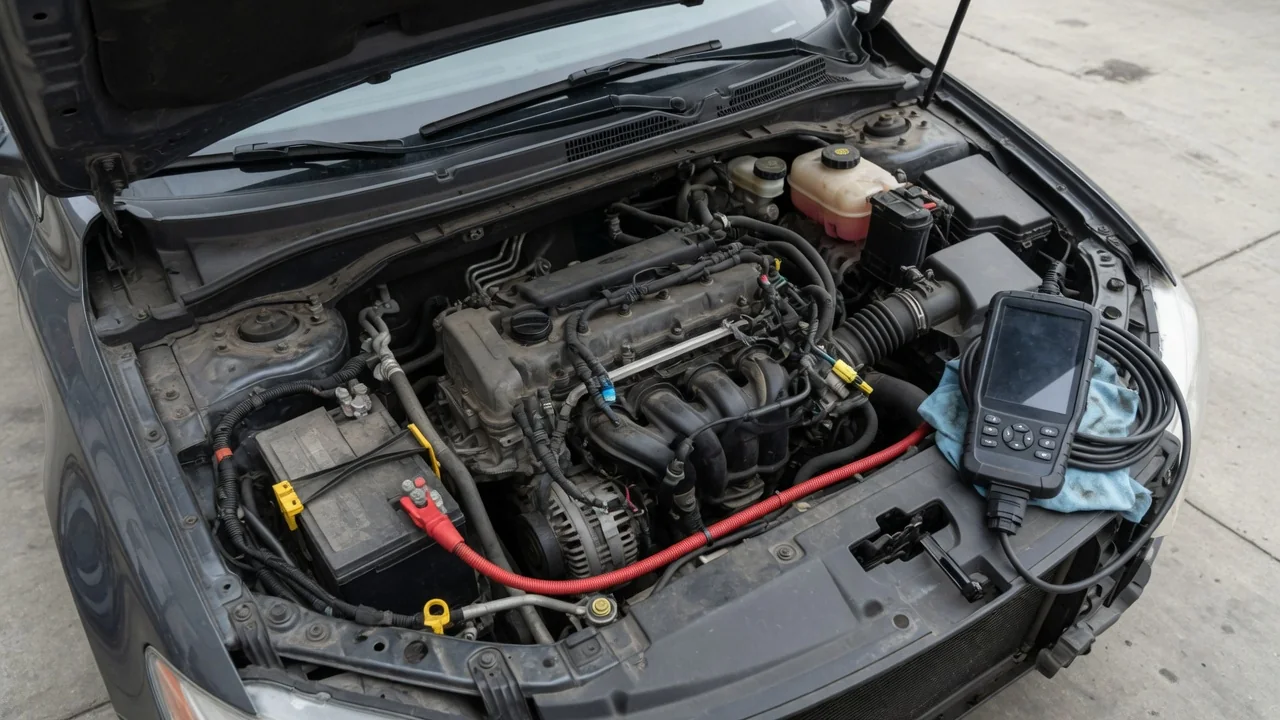
When a control module decides that its electrical supply is out of range, it can store one of four related codes. P0560 through P0563 cover system voltage that is malfunctioning, unstable, low or high. Each one points toward the charging system, battery condition or wiring, but none of them names a failed part. To repair the fault correctly instead of guessing, start by learning what the module was monitoring and when the problem happened.
P0560: What a System Voltage Malfunction Means
P0560 is a general system voltage malfunction code. It means a control module judged its supply voltage to be wrong in a way that met its fault criteria. It does not say which component caused the problem. The battery, alternator, voltage regulator, fuses, connectors and ground paths all affect that supply, and a fault in any of them can set the same code. Treat P0560 as a sign that the problem is somewhere in the electrical supply, not as proof that a particular part has failed.
All four codes in the P0560–P0563 family deal with the voltage a module actually receives. Code descriptions, enabling conditions and thresholds differ between manufacturers, and even between modules on the same vehicle. Check the service information for the exact vehicle before interpreting any reading. Code status matters too. A current code suggests the problem is still active, while a history code may reflect an earlier event. Other stored codes and freeze-frame data, such as engine speed, load and recorded voltage, help show whether the fault happened during cranking, idling or driving.
P0561: Investigating an Unstable Voltage Supply
P0561 means the module saw system voltage it considered unstable, rather than simply too low or too high. That difference matters because instability is often intermittent. The engine may run for days on a steady supply before a loose connection shifts, a ground loses contact or the charging control reacts badly to a sudden load. If you assume the fault is present every time the engine runs, you may test at the wrong moment and wrongly conclude that nothing is wrong.
Knowing when the problem appears helps narrow the causes. Note whether it shows up during starting, when the blower, rear defroster, headlights or other heavy electrical loads switch on, or soon after a battery replacement or jump-start. After recent work, check any terminals and clamps that were disturbed. A single normal voltage reading only describes that moment. Catching an intermittent fault may require professional monitoring over time, sometimes while driving, with equipment that records brief dips or spikes a basic meter can miss.
P0562: Possible Reasons for Low System Voltage
P0562 means the module saw system voltage below its expected range under the conditions the manufacturer defines. Possible causes include a weak or discharged battery, an alternator that cannot keep up with electrical demand, and corroded or loose battery terminals and connections. Each needs to be confirmed by testing. Battery condition and charge level are different things. A healthy battery can go flat because of a parasitic drain, short trips or a charging fault. A worn battery may show acceptable voltage at rest and then drop sharply under load.
Resistance in power or ground paths can also cause low voltage. Corrosion inside a connector, a frayed cable or a poor body ground creates a voltage drop, so the module receives less voltage than the battery terminals seem to supply. That is why a good battery reading does not end the investigation. Replacing the battery or alternator just because P0562 is stored may help for a while. But if a drain, bad ground or wiring fault caused the low voltage, the new part will face the same problem and the code can return.
P0563: Possible Reasons for High System Voltage
P0563 means the module saw system voltage above its allowed range. Overcharging is an obvious suspect. It can come from a failed voltage regulator, an alternator fault or a problem with the module that controls charging. None of these should be blamed without testing. An unexpectedly high reading can also come from the sensing side. A damaged sense wire, a poor ground at the module or a faulty connection can make the reported voltage differ from what the electrical system is actually carrying.
To judge the reading, you need the charging specifications for that vehicle. Vehicles with managed charging raise or lower alternator output depending on temperature, battery charge and electrical demand. A reading that looks high on its own might be normal at that moment, while a reading that seems moderate could still exceed that vehicle's limit. Once overvoltage is confirmed, deal with it promptly. Sustained high voltage can overheat and damage the battery, shorten bulb life, and harm control modules and other electronics that expect a regulated supply.
Symptoms and Signs That Require Immediate Attention
Low voltage often shows up as slow cranking, hard starting or a no-start, dim or flickering lights, radio or instrument cluster resets, and a charging system warning light. Voltage faults can also bring on several warning messages at once that seem unrelated, make accessories work only some of the time or, in some cases, contribute to stalling. These signs confirm that the electrical supply needs attention, but they do not identify the cause. A weak battery, a charging fault and a bad ground can all produce similar symptoms.
A stored code does not always come with symptoms. A single low-voltage event during a cold start, or after the lights were left on, can set a code such as P0562. The code may stay stored even though the vehicle now seems normal. Some situations need immediate action. If the engine stalls, if essential functions such as lighting or wipers fail, if you see smoke, if the battery looks swollen or if you notice a strong sulfur-like smell, stop in a safe place, stay away from the battery and call for roadside assistance.
Safe Observations and Professional Charging System Tests
Before clearing anything, record every stored code and its freeze-frame data, because clearing codes erases evidence a technician will want. Also note any recent jump-starts, dead-battery episodes, accessory installations or other electrical work. Owner checks should be visual only, with the engine off and the key removed. Look for crusty corrosion on the terminals, damaged or chafed wiring and connections that look loose. Keep hands, clothing and tools away from the fan and drive belt area, because an electric cooling fan can start without warning.
Professional testing usually includes a battery condition test under load, alternator output checks under different operating conditions, voltage-drop tests across power and ground paths, and monitoring for intermittent faults using the vehicle's service procedures. Comparing the voltage at the battery terminals with the voltage a module reports can show whether the problem is in the supply or in the sensing circuit. Disconnecting the battery with the engine running is not a valid alternator test and can damage electronics. A repair is confirmed only when the system works normally under the same conditions that originally set the code.