P0550–P0553 Power Steering Pressure Sensor Circuit Codes
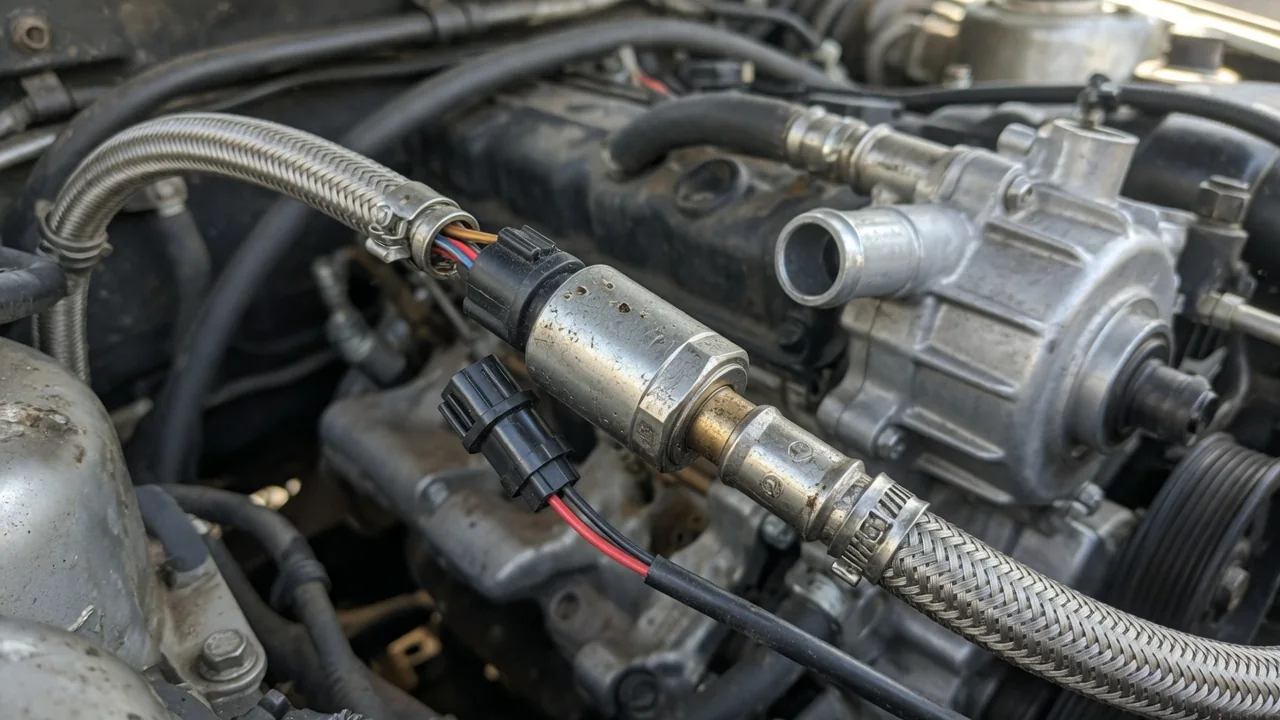
When a scan tool reports P0550, P0551, P0552, or P0553, the powertrain control module has flagged a concern in the power steering pressure sensor circuit. These codes often appear together with idle changes or stalling while turning, yet they describe electrical monitoring, not a proven failed pump or sensor. Confirm the exact definition for the year, make, model, engine, and steering system before interpreting the fault or replacing parts.
Confirm What P0550–P0553 Mean for the Vehicle
A P0550 code generally points to a power steering pressure sensor or switch circuit malfunction. That description names a monitored circuit, not the failed part. P0551, P0552, and P0553 sit in the same family and still need the factory wording for the specific vehicle. Year, make, model, engine, and steering layout change both the circuit design and the official diagnostic path, so treat generic code titles as a starting map rather than a parts list.
Some vehicles use a dedicated pressure sensor; others use a switch. Either device can report steering load so the engine controller can add idle compensation when the pump works against the steering rack. That support is useful only when the signal is valid. Before clearing anything, record stored and pending codes plus freeze-frame data. Those snapshots show engine speed, load, and operating conditions at the moment the fault set and keep later testing from chasing a blank history.
P0551: Pressure Signal Range or Performance
After the vehicle-specific definition is confirmed, a P0551 code usually means the pressure sensor circuit signal is out of expected range and performance. Voltage or a digital reading can still be present on the wire while the control module rejects the pattern under the conditions it monitors. The module compares that reading with expected behavior during idle, steering input, or related operating windows. A live value that never changes, jumps without steering motion, or disagrees with other data can set this fault.
Possible explanations include a sensor that reports poorly, an intermittent wiring harness or sensor connector problem, and hydraulic conditions that do not match the electrical picture. Pump wear, restricted flow, or abnormal assist can change load without proving the sensor is the cause. Because P0551 describes range and performance rather than a proven open or short, it does not by itself justify replacing the sensor or the steering pump. Confirm the circuit and operating conditions with the procedure written for that vehicle.
P0552: Low Circuit Input
A P0552 code typically indicates a low input signal on the monitored power steering pressure sensor circuit. That finding concerns the electrical reading the module receives, not a measurement of hydraulic pressure or fluid level. Low fluid or a weak pump can exist for other reasons, but P0552 does not prove either condition. Depending on circuit design, a short to ground, a missing supply, a connection fault at the sensor connector, or an internal sensor problem can all pull the reported input low.
Electrical measurements mean little without the wiring diagram and signal specifications for that vehicle. Supply voltage, ground path, and expected signal range differ by manufacturer and steering system, so a reading that looks low on one design may be normal on another. Powered circuit testing and connector probing belong with a qualified technician who can follow those diagrams without creating a new short. Owner inspection should stay at visual damage, not backprobing a live harness.
P0553: High Circuit Input
A P0553 code usually reports a high input signal on the same pressure sensor circuit. High electrical input is not evidence of excessive steering pressure, a stuck valve, or a pump that is overworking. On some circuit designs a failed sensor, a short to voltage, or an open circuit can drive the reported signal high; which of those paths applies depends on how the module biases the circuit. Guessing from the code title alone can send the repair in the wrong direction.
Ground integrity, connector condition, and wiring must be checked before the sensor is condemned. A lifted ground, corrosion in the sensor connector, or a damaged wiring harness can raise the apparent signal even when the sensing element is intact. A technician should confirm the high-input fault with the correct wiring diagram and the manufacturer's test specifications, then compare scan tool live data with those expected values. Manufacturer-dependent codes always need that vehicle-specific confirmation rather than a parts-store match.
Idle Surge, Stalling on Turns, and Steering Symptoms
On vehicles that use the pressure signal for idle compensation, an incorrect steering-load reading can contribute to idle dips, surging, or stalling while turning at low speed. The engine may not add enough airflow or spark timing when the pump loads the crankshaft, or it may add that support at the wrong moment. Those symptoms also come from vacuum leaks, dirty throttle bodies, ignition faults, and fuel delivery issues. A stored P0550, P0551, P0552, or P0553 code is one clue, not a complete diagnosis.
Useful notes from ordinary driving include whether the engine was cold or fully warm, whether the vehicle was stopped or rolling, which warning lights were on, how much steering effort was needed, and whether a pump or belt noise appeared. Do not try to recreate a stall or hold the wheel against its stops; that can overload the pump and is not a diagnostic method. If steering becomes difficult or the engine repeatedly stalls, stop in a safe place and arrange assistance rather than continuing the trip.
Safe Checks and Professional Diagnostic Next Steps
Owner checks should stay limited. With the engine off and cool, look at accessible wiring, the sensor connector, and any obvious leakage around hoses or the reservoir. Stay clear of belts and do not open pressurized steering lines. Where the owner's manual describes a reservoir check, confirm the fluid level using that procedure only; do not assume a fluid type or pour in additives. Visible damage or low fluid is useful information for a technician, not a license to replace the sensor.
A professional diagnosis typically includes supply, ground, and signal response tests, wiring continuity, and scan tool live data compared with the vehicle-specific procedure. Hydraulic testing may follow when electrical results look sound yet assist still feels wrong; pressure measurements and pressure-line work need the right gauges and expertise. After a repair, recheck codes and confirm normal idle and steering under controlled conditions. Clearing a P0550 code, P0551 code, P0552 code, or P0553 code without that confirmation does not prove the circuit is healthy.