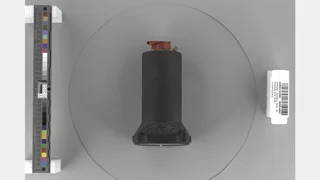
P0522 engine oil pressure sensor circuit low

A P0522 trouble code means the powertrain control module sees an implausibly low voltage from the engine oil pressure sensor circuit, not that oil pressure has actually failed. Because the same code can appear on vehicles with different sensor wiring and control strategies, it should be read as an electrical diagnostic starting point rather than a direct measurement of the lubrication system. Drivers often notice a warning lamp, an oil pressure gauge that reads abnormally, or no driveability symptom at all. The following overview explains what the low circuit condition indicates and how it differs from an engine oil pressure fault.
Essential answer
P0522 engine oil pressure sensor circuit low identifies a signal voltage from the oil pressure sensor that is below the expected range. The control module converts that signal into an oil pressure reading, so a shorted wire, poor ground, damaged connector, or failed sensing element can all produce the same low-voltage report. It does not, by itself, confirm that the oil pump is weak or that the level check is low. A scan tool, wiring inspection, and a mechanical oil pressure gauge are typically used to separate the electrical circuit problem from a genuine lubrication concern before any repair is selected.
The low circuit message differs from an actual low oil pressure condition because the sensor circuit is only a monitoring path. For example, a chafed reference wire that contacts ground can pull the signal down and set P0522 even when the engine has normal oil pressure and the correct fill quantity. Manufacturer-dependent wiring, sensor location, and diagnostic thresholds vary, so vehicle-specific confirmation is needed to identify the exact circuit. Still, treating the code as an electrical fault first helps prevent unnecessary replacement of filters, pumps, or other lubricant service parts when the warning is actually coming from the sensor path itself.