P0506 Code: Idle Speed Lower Than Expected
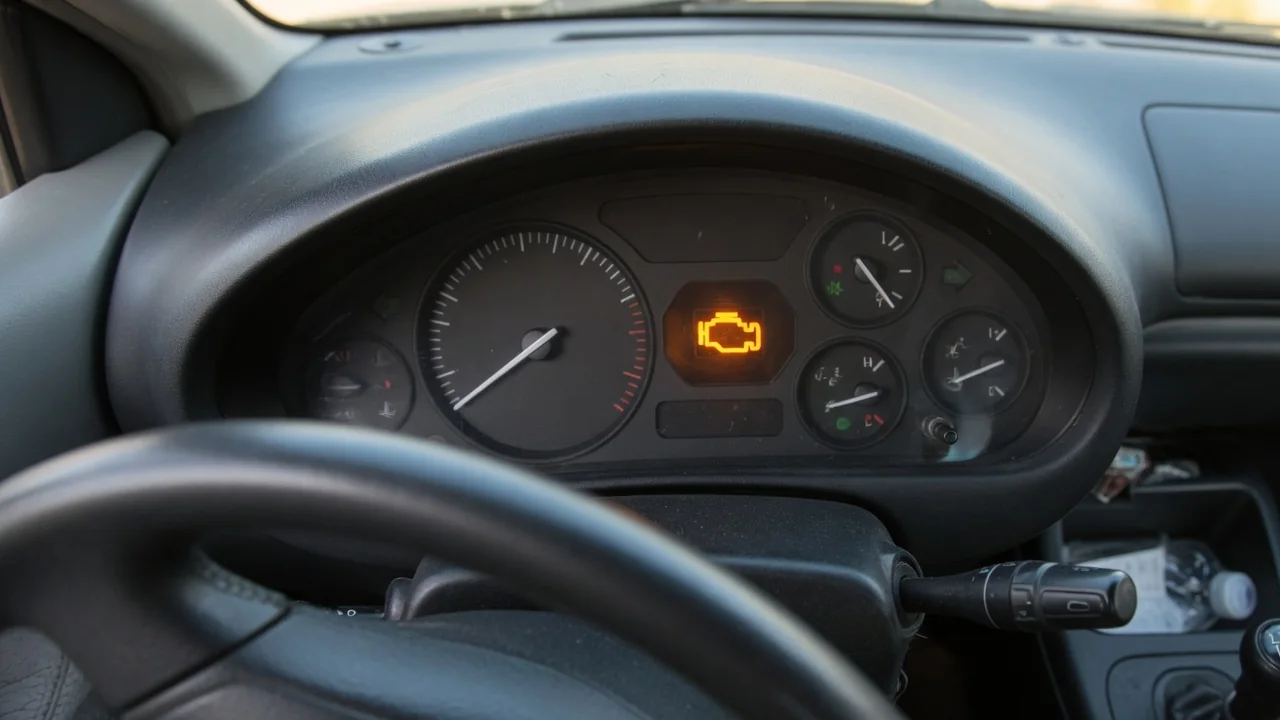
A P0506 code points to idle speed that has fallen below what the engine computer expects. The stored fault is an operating-condition flag, not proof that a particular part has failed. Carbon, a dirty throttle body, vacuum-path problems, and other idle-control issues can produce similar results, so the vehicle's service information and how the symptoms appear still matter before anyone names a cause.
What P0506 Means for Idle Speed
On many vehicles the P0506 code is defined as idle air control system RPM lower than expected, but that wording is not a substitute for the manufacturer's description. Before interpreting the fault, check the vehicle's service information for the applicable code definition, the idle-control design, and the conditions that must be met for the monitor to set. Cable-throttle engines with a separate idle air control valve, electronic throttle systems, and other layouts do not behave the same way, so the same stored code can point to different control paths.
The engine computer compares actual engine speed with commanded idle speed once the enable conditions are met, such as a closed throttle, a stable operating mode, and no conflicting faults that disable the idle monitor. When RPM stays below the target for the calibrated time, the module stores P0506 and typically illuminates the check engine light. That result identifies an operating condition: idle speed control did not hold the expected range. It does not prove a throttle body, idle-control valve, vacuum hose, or sensor has failed, and further evidence is required before any part is condemned.
Low-Idle Symptoms and When to Stop Driving
A low idle speed may show up as a rough idle, extra vibration at a stop, a dip that feels close to stalling, or actual engine stalling when the driver comes to rest. The check engine light may be on, yet none of those signs has to appear together, and some vehicles set P0506 with only a slightly sluggish idle. Timing still helps testing: the problem can appear during warm-up, after the engine reaches operating temperature, or when the air conditioner, power steering, or electrical loads raise accessory demand.
If the engine repeatedly stalls, cannot hold idle, or loses power in traffic, stop in a safe location and arrange assistance rather than trying to limp through intersections. A flashing check engine light or severe shaking is also a reason to shut the engine down and seek prompt assessment, because those signs can accompany misfire or other conditions that should not be driven through. A steady warning light with a stable, if low, idle is a different situation, but it still warrants diagnosis before the idle speed control problem worsens.
Faults That Can Prevent the Engine From Maintaining Idle
Throttle body deposits around the throttle plate or in idle-air passages can restrict the small airflow the engine needs when the throttle is closed, so commanded idle speed cannot be reached even though the control strategy is trying. On engines that still use a separate idle-control valve, a sticking or electrically faulty valve can produce the same low idle. Vehicles with electronic throttle rely on the throttle actuator and related position feedback instead; a plate that does not rest or move as commanded can starve idle airflow without any separate idle motor in the circuit.
Intake duct leaks, vacuum-hose faults, PCV problems, and evaporative purge issues can all disturb the air the idle speed control strategy is trying to meter. Unmetered air often raises idle rather than lowering it, so a vacuum leak is not automatically the explanation for P0506 and should be confirmed against how the engine actually behaves. Combustion problems, weak fuel delivery, misleading sensor inputs, and excessive accessory load can also keep RPM from the target when symptoms or additional codes support looking in those directions rather than assuming the throttle body is the only fault.
Safe Observations to Record Before a Shop Visit
Note whether the engine is cold or fully warm when the low idle appears, which accessories are on, and whether stalling happens only while stopped. Those details help a technician reproduce the monitor conditions instead of chasing a problem that only occurs under one load or temperature. If a scanner is available, save every stored and pending code along with freeze-frame data before clearing anything. Freeze-frame captures engine speed, load, temperature, and related values at the moment P0506 set, which is more useful than a later snapshot after the code has been erased.
With the engine off and cool, look for visibly disconnected intake hoses or damaged ductwork without pulling components apart. A hose that has slipped off an idle-air or vacuum fitting is worth recording, but hidden leaks will not show in a walk-around. Also note recent battery disconnection, intake work, or throttle service. Those events can disturb idle speed control adaptation, yet timing alone is not proof of the cause. They simply give the shop context for whether an idle relearn, a disturbed duct, or an unrelated mechanical fault is more likely.
How Professional Testing Narrows the Cause
A technician starts by comparing actual idle speed with the vehicle's commanded idle speed under the conditions associated with the code, typically closed throttle, specified temperature, and stable idle. If RPM is already at target during that check, the next step is to reproduce the load, warm-up, or accessory state recorded in freeze-frame. Related codes, fuel-trim data, misfire information, and throttle or idle-control response then decide which circuit to test next, because a P0506 code sitting beside fuel, misfire, or throttle-actuator faults is not the same problem as a lone low-idle flag.
Controlled intake-leak testing, electrical checks of idle-control or throttle circuits, and fuel-system testing are used when those data paths point there, not as a default menu for every P0506 code. Throttle cleaning, an idle-control component, a PCV valve, or any other part should be recommended only after evidence shows that item is restricting or miscommanding idle airflow. The stored code by itself cannot establish the repair. Replacing or cleaning parts without that confirmation often leaves the low idle speed unchanged and can add new adaptation issues after the work.
Repair Decisions and Confirmation of Stable Idle
When throttle body deposits are confirmed as the restriction, cleaning must follow a method appropriate to that throttle design, and some electronic throttle assemblies are better left to professional service. There is no universal cleaning procedure that is safe across vehicles, so those steps should not be improvised. After throttle service, idle-control work, or battery disconnection, an idle relearn may be required, but the need and the sequence depend on the vehicle and the work performed. A reset that works on one model is not a universal idle relearn.
After the verified fault is addressed, idle must be confirmed under the same temperature and accessory-load conditions that previously dropped RPM below the target. A cold-only problem is not proven gone by a warm parking-lot idle, and an air-conditioner stall will not show up with the compressor off. Clearing the P0506 code does not establish a successful repair. If low idle, engine stalling, or the same code returns, diagnosis is incomplete and further testing is required rather than repeating the last parts replacement.