P0505–P0511 and P0518: Idle Control Codes and Diagnosis
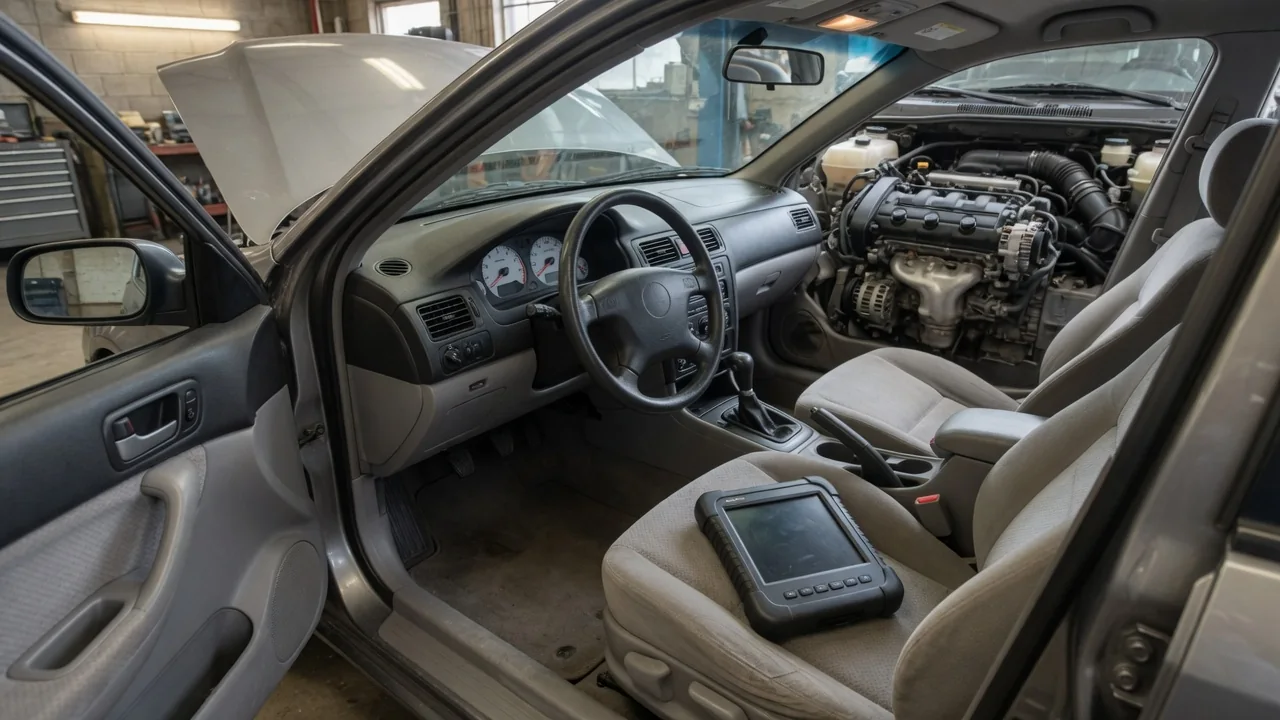
An idle control code means the engine computer detected a problem while the engine was supposed to be idling. The P0505 through P0511 range, along with P0518, covers idle speed that runs too high or too low, electrical faults in the idle control circuit, and closed-throttle recognition. P0507, high idle, gets the closest look here. Each code is a clue to interpret, not proof that a part has failed.
P0505 and the Idle Control System
Before reading anything into these codes, confirm the exact definition and diagnostic procedure for the vehicle's year, make, model, and engine. Generic labels are a useful starting point, but manufacturers can word conditions differently and set different enabling criteria. Where it applies, P0505 is commonly described as an idle control system malfunction. That means the module could not hold idle where it wanted it. The code shows that the system struggled, but it does not say which component caused the problem.
Many older designs use a separate idle air control valve that meters air around a closed throttle plate. Many newer engines use electronic throttle control instead, opening the throttle blade slightly to manage idle. Either way, the module sets a commanded idle speed that changes with conditions. A cold engine, a running air conditioning compressor, heavy electrical loads, or a transmission in gear can all raise the target. For that reason, no single RPM figure counts as normal for every vehicle.
P0507: Why Idle Speed Exceeds the Commanded Target
P0507 generally means actual idle speed is running above the range the control module expects under qualifying conditions. Drivers may notice RPM that stays high after warm-up, hangs after the pedal is released, or surges up and down. A brief fast idle during a cold start is normal and is not a fault by itself. If a high idle makes the vehicle creep unexpectedly, makes low-speed control difficult, or causes severe surging, stop somewhere safe and arrange professional help.
Unmetered air is a common theme. This is air that gets in without being measured by the airflow sensor, such as through a cracked intake hose, a leaking gasket, or a split PCV line. Throttle deposits, a sticking throttle blade, or an idle control fault can also raise idle, and none of these should be assumed without evidence. Recent intake work, throttle service, or lost learned settings can point diagnosis in a useful direction. However, a relearn cannot seal a physical leak or fix an electrical fault.
P0506: Low Idle, Shaking, and Stalling
P0506 is the opposite condition. It is typically defined as idle speed below the expected range once enabling conditions are met, though the vehicle-specific definition should still be confirmed. Symptoms include low RPM, shaking at stops, stalling when coming to rest, and idle that sags or dies when air conditioning, lighting, or steering loads change. Those load changes are revealing because the module should add airflow to compensate for them, and a low idle suggests it cannot keep up.
Restricted idle airflow is a common area to check. The cause could be carbon narrowing the throttle opening or an idle actuator that no longer moves as commanded. Low idle can also be a symptom of broader engine running problems. Misfire, fuel delivery, or sensor codes stored alongside P0506 may change the diagnostic path entirely. An engine that stalls repeatedly can lose power at intersections and in traffic, so this condition calls for prompt professional assessment rather than waiting to see whether it goes away.
P0508, P0509, P0511, and P0518: Idle Control Circuit Faults
Once the application-specific definitions are confirmed, these codes usually read as follows: P0508 is idle air control circuit low, P0509 is circuit high, P0511 is circuit malfunction, and P0518 is circuit intermittent. Here, low and high describe electrical conditions the module monitors, such as voltage or signal behavior in the circuit. They do not describe engine RPM. A circuit high code therefore does not necessarily mean the engine is idling fast.
Possible causes include chafed or broken wiring, loose or corroded connectors, an internally faulty actuator, and power or ground problems in the circuit. Each one needs evidence before any part is replaced. A technician works from the correct wiring diagram, measures the circuit against specification, and uses scan tool actuator commands where the vehicle supports them. Improvised jumper wires and directly energizing components can damage control modules and create hazards, so those shortcuts do not belong in this diagnosis.
P0510: Checking Closed-Throttle Recognition
On vehicles where it applies, P0510 generally points to a closed throttle position switch malfunction, but that definition should be verified for the specific application first. A closed-throttle signal tells the control module that the driver has released the pedal and the throttle has returned to rest. That signal helps the module decide when idle control should take over. A missing or implausible signal can leave the module unsure when to manage idle, which may cause inconsistent idle behavior.
Areas for professional evaluation include the switch or sensor signal itself, the wiring and connectors that carry it, and whether the throttle actually returns fully closed. On some designs, binding linkage or buildup can play a part. This code does not justify replacing an idle valve or turning a throttle stop screw on a guess. Changing factory settings can create new idle problems, and only vehicle-specific signal checks can show where the fault actually is.
Safe Observations That Help Narrow the Diagnosis
Before clearing anything, record every stored and pending code along with the freeze-frame data. Freeze-frame data may capture engine temperature, RPM, and vehicle speed at the moment the fault was set, and that snapshot is often more useful than the code itself. Also note whether symptoms appear on cold starts, at warm idle, with accessories running, or after recent service. Make these observations during normal driving rather than deliberately causing surging or stalling in traffic.
With the engine off and cool, it is reasonable to look for an obviously disconnected intake hose or a loose electrical connector. Do not spray flammable liquids to hunt for leaks, and keep hands away from belts and fans. A professional evaluation compares commanded and actual idle, reviews fuel trims for signs of unmetered air, checks throttle data, and may include a controlled smoke test. No single reading proves the cause. The diagnosis comes from consistent patterns across several data points.
Idle Relearn and Confirming the Repair
Some vehicles need an idle or throttle relearn after certain repairs or a power interruption, and the manufacturer's procedure is the correct reference. Pedal-press sequences shared online do not work on every vehicle, and disconnecting the battery is not a dependable reset. Clearing a code only erases the record and does not repair the underlying fault. On some vehicles, it also erases learned values, and idle quality may suffer until the system relearns them.
Throttle cleaning can help when deposits are involved, but it needs application-specific guidance because some throttle bodies have coatings or electronic parts that require careful handling. Finding carbon does not prove it caused the code. To confirm a repair, check for stable idle under the conditions that originally triggered the fault, recheck for codes, and make sure the relevant readiness monitor has completed. A warning light that stays off for a day or two is not enough to confirm the fix.