P0501, P0502, P0503, P0608 and P0609: Speed-Signal Codes Explained
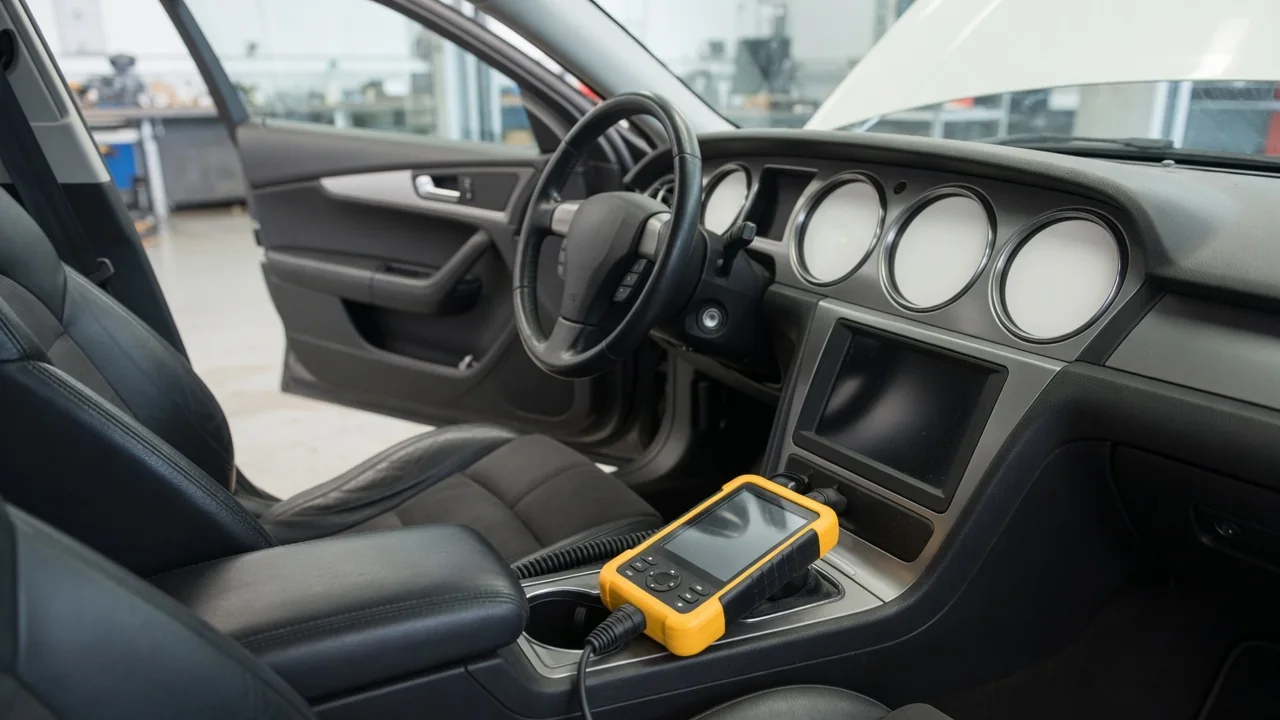
P0501, P0502, P0503, P0608 and P0609 belong to the vehicle speed signal family, yet each describes a different monitored condition. A P0501 code typically flags range/performance, while a P0502 code points to low input and a P0503 code covers an intermittent signal. P0608 and P0609 address control module output circuits rather than a sensor malfunction. Confirm every definition against the vehicle before treating any code as proof a part failed.
P0501: Verify the Speed-Signal Range/Performance Definition
Before interpreting a P0501 code, confirm the exact definition and diagnostic procedure for that year, make, model, and powertrain. Signal sources and module responsibilities vary, so a generic scanner label is only a starting point. In many applications the standard description is vehicle speed sensor A range/performance, meaning the monitored vehicle speed signal failed expected plausibility criteria rather than vanishing entirely. Those criteria are not universal thresholds; they are manufacturer-dependent and must be taken from service information for the vehicle under test.
Drivers may notice erratic speedometer operation or unexpected shift timing when the control module questions signal integrity, yet those symptoms cannot identify which component failed. Wiring, connectors, the signal source, or a downstream module can all produce a range/performance result. P0500 sits in the same vehicle-speed diagnostic family under a standard malfunction label, but it is not a prerequisite and does not have to appear with P0501. Treat each stored code as separate evidence that still requires vehicle-specific confirmation.
P0502: What a Low Speed-Signal Input Can Indicate
A P0502 code is commonly described as vehicle speed sensor A low input, but that wording must still be verified against the vehicle's documented definition. Low input describes the condition of the monitored vehicle speed signal as the control module sees it, not the actual road speed the vehicle is traveling. A weak, missing, or clamped circuit voltage can look like low input even while the car is moving normally. The code therefore does not prove the sensor itself is defective.
Depending on the circuit design, a low-input result can come from damaged wiring, a poor connector, a lost supply or ground, or a problem at the documented signal source. Those possibilities are only as valid as the vehicle's wiring diagram shows; they are not a parts list. Record what the speedometer and other systems do while the vehicle is safely parked, along with any existing symptoms. Leave electrical measurements and signal evaluation to qualified testing so circuit integrity is checked without guesswork.
P0503: Investigating an Intermittent, Erratic or High Signal
A P0503 code is typically labeled vehicle speed sensor A intermittent, erratic, or high, subject to confirmation for the specific vehicle. That description covers a vehicle speed signal that drops out, jumps, or exceeds expected values rather than remaining steadily low. Interruptions or implausible spikes can appear with an unstable speed display, harsh or delayed shifting, or other system complaints, yet they are not always visible to the driver. The stored code remains evidence of a monitored condition, not proof that a particular sensor has failed.
Where the documented design supports it, connector damage, chafed wiring, electrical interference, or a problem at the signal target can disturb an intermittent signal. None of those paths can be assumed without the correct circuit information. Note when symptoms were previously noticed, including weather, road surface, and operating conditions, because freeze-frame data may capture only one snapshot. Do not try to reproduce the fault while driving. A technician can later compare those notes with module data instead of chasing a moving problem on the road.
P0608: Understanding Control Module VSS Output A
A P0608 code is generally described as a control module VSS output A malfunction, and that application still needs service-information confirmation. Unlike P0501, P0502, or P0503, this code often concerns a module that is supposed to supply speed information to another system rather than the raw sensor input itself. The actual path—which module generates the output, what form the signal takes, and which receivers use it—must be identified from vehicle-specific documentation. Guessing from the code title alone can send diagnosis toward the wrong circuit.
Output A is a circuit designation, not a map of sensor location, connector pin, or a replacement part. A technician must evaluate the source signal feeding the module, the output circuit itself, and the systems that receive that control module output before attributing the fault to the module. An open, short, or loaded output line can set P0608 even when the module is healthy. Replacing the controller without checking those paths treats a designation as a diagnosis and can leave the original problem intact.
P0609: Identifying the Documented VSS Output B Circuit
A P0609 code is typically described as a control module VSS output B malfunction, and both the meaning and the monitoring conditions must be verified for the vehicle. The B label distinguishes this circuit from output A; it does not, by itself, prove a second physical speed sensor exists. Identify the module, the documented output path, and the receiving systems from the correct wiring information. Without that map, output B can be confused with a sensor circuit or with the P0608 path even when they serve different receivers.
The B designation also does not authorize a particular part replacement. Testing may include the output wiring, a problem on a connected circuit that loads or shorts the line, or a genuine module fault, without any of those being more common than the others. Signal integrity on output B still depends on a valid source and a healthy receiver. Until those paths are evaluated, P0609 remains a monitored-circuit result, not a completed diagnosis and not permission to swap a control module or a speed sensor.
Preserve Diagnostic Evidence and Know When to Stop Driving
Save every available code, its status, and freeze-frame data before clearing anything, and write down recent repairs plus the order symptoms appeared. Owner checks should stay with the vehicle safely parked: note dashboard warnings and any readily visible connector or harness damage, without probing circuits or reaching moving components. Professional testing then compares relevant module data with documented signal paths, circuit integrity, and signal waveforms. One code or scanner reading rarely isolates a component, because the same vehicle speed signal can fail at the source, in the wiring, or at a control module output.
If speed indication becomes unreliable, shifting feels unsafe, or braking behavior changes, stop as soon as it is safe and arrange assistance. A stored P0501, P0502, P0503, P0608, or P0609 code cannot establish that continued driving is safe. After any repair, confirm that the vehicle speed signal and any control module output operate as documented, then complete the diagnostic verification the service information requires. Clearing a code only erases evidence; it does not prove the range/performance, low-input, intermittent, or output-circuit problem has been resolved.