P0500–P0504 Codes: Vehicle Speed Signals and Brake Switch Faults
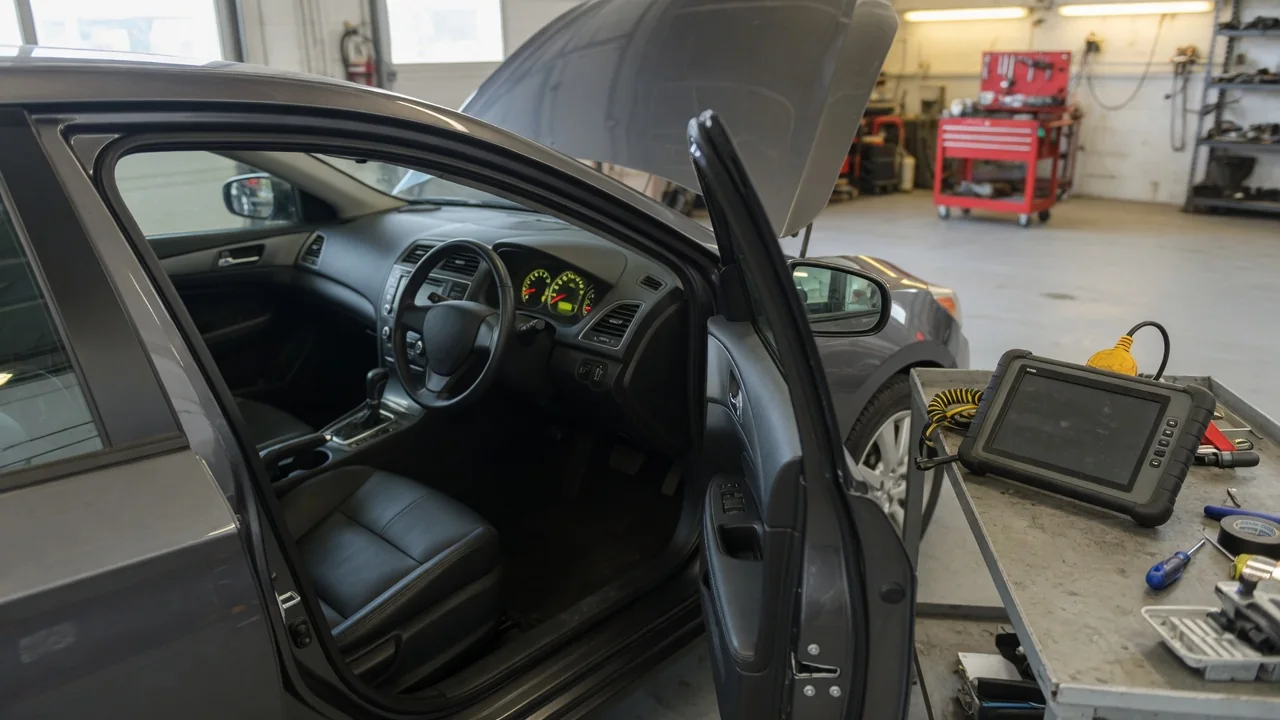
When a scan tool shows P0500, P0501, P0502, P0503, or P0504, a controller has flagged a problem with a signal it relies on. The first four codes involve the vehicle speed signal. P0504 involves brake switch correlation. If you know what each code generally means, what symptoms may follow, and how to gather evidence, you can avoid replacing parts on a guess.
P0500: What a Vehicle Speed Signal Fault Means
The generic P0500 code definition is vehicle speed sensor malfunction. It means the controller detected a problem with the speed signal it expects to receive. That label is a starting point, not a verdict. Manufacturers set their own enabling conditions and diagnostic procedures, so confirm the exact definition and test sequence for your vehicle. In this code family, P0500 through P0503 all concern vehicle speed signals. P0504 is different because it describes brake switch correlation, so don't treat the whole range as speed sensor faults.
A stored code shows that the controller detected a signal problem. It does not prove the sensor has failed. Wiring, connectors, a damaged signal target, or a module fault can set the same code. Symptoms depend on the vehicle and may include a dead or erratic speedometer, cruise control that won't engage, a check engine light, or harsh or badly timed shifts. Some vehicles use a dedicated transmission output sensor. Others calculate road speed from ABS wheel speed sensors and share it over the network. Verify the actual signal path before naming components.
P0501: Vehicle Speed Signal Range or Performance
P0501 generally means the vehicle speed signal is present but falls outside the range or performance the controller expects. For example, the reported speed may not match engine speed and gear selection, or it may change in a way that isn't physically possible. The signal being monitored and the exact conditions that set the code depend on the vehicle. Service information will show whether the controller compares a transmission sensor, wheel speed data, or another input.
Plausible causes include a weakening sensor, chafed or corroded wiring, and a damaged or contaminated tone ring. Configuration problems are also possible, such as an incorrect tire size setting or missing programming after a part was replaced. Don't assume any of these without evidence. Freeze-frame data records conditions like speed, engine rpm, and load at the moment the code set. That shows whether the signal went wrong during acceleration, cruising, or deceleration. A technician can then compare live speed data with other sources on a controlled road test.
P0502: Low Vehicle Speed Sensor Input
P0502 is generally defined as vehicle speed sensor circuit low input. It doesn't mean the vehicle was simply moving too slowly. It means the controller saw a weaker signal than expected, or none at all, when other data suggested the vehicle was moving. Depending on the system, an open or shorted circuit, a failed sensor, a poor ground, or a missing network message from another module can each cause a low input reading. That's why the signal source has to be identified first.
Owners can safely look things over with the vehicle parked on level ground, the transmission in park, and the ignition off. Check accessible connectors for looseness, corrosion, or broken locking tabs. Look along visible wiring for melted insulation, rubbing, or rodent damage. Beyond that, the sensor type matters. A two-wire magnetic sensor and a powered Hall-effect sensor are tested differently, and wiring specifications vary by vehicle. A technician should confirm the design before choosing voltage, resistance, or waveform tests instead of relying on universal targets.
P0503: Intermittent, Erratic, or High Speed Signal
The complete generic P0503 meaning is vehicle speed sensor intermittent, erratic, or high input. The controller saw a speed signal that cut in and out, jumped unpredictably, or reported more speed than expected. You may notice a speedometer needle that flickers or spikes, cruise control that drops out, or shifts that feel inconsistent. These symptoms point toward the speed signal but can't pinpoint the fault. The same behavior can come from the sensor, the circuit, or the part the sensor reads.
Possible causes include a loose connector, wiring that shorts or opens as the chassis flexes, a sensor with an internal fault, electrical interference, and a cracked, chipped, or loose signal target. Each one needs confirmation. Note when symptoms happen, such as over bumps, in rain, once the engine is warm, or at certain speeds, because those details give useful clues. Keep the code and freeze-frame data instead of clearing them. Intermittent faults often hide during a shop visit, so a technician may need to record the signal while driving to catch the dropout.
P0504: Brake Switch Correlation and Brake-Light Observations
The generic P0504 definition is brake switch A/B correlation. Many vehicles monitor more than one brake pedal signal and expect them to agree when the pedal is pressed and released. Correlation means those signals disagreed. The layout varies. Some vehicles use a single switch with two circuits, while others use separate switches or a pedal position sensor. Verify the vehicle-specific circuit before interpreting the code. Symptoms can include brake lights that stay on or don't work, and cruise control that won't engage or keeps canceling.
Working brake lights don't rule out a fault, because the problem may be in the second monitored signal. With the vehicle safely parked and in park, have a helper watch whether the brake lights come on promptly and turn fully off as you press and release the pedal. Don't bypass switches or adjust brake-related parts. Possible causes include a failing switch, a loose or corroded connector, damaged wiring, or incorrect switch adjustment. Professional testing is needed to pin down the actual repair.
Safe Next Steps and Evidence-Based Repairs
Before clearing anything, save all stored and pending codes, the freeze-frame data, and notes about symptoms, weather, and driving conditions. Clearing codes erases evidence a technician may need. Speed signals are often shared between modules, so scanning the ABS and transmission control modules can add useful context. For example, a wheel speed code or transmission fault may explain the engine code. Basic code readers may only reach engine data, so you may need a more capable scan tool or a shop visit to see everything.
Limit your own checks to looking at parts you can reach easily. Don't crawl under a vehicle held up only by a jack, spin raised wheels, or use a scanner while driving. If braking feels abnormal, the brake lights fail, or the transmission behaves in a way that makes driving unsafe, stop somewhere safe and call for assistance. Any repair should fix a confirmed fault. Afterward, verify that the speed or brake signal reads correctly and that the code doesn't return. Clearing a code alone proves nothing, because the self-test may not have run again yet.