P0345 Code: Camshaft Position Sensor A Circuit Malfunction (Bank 2)
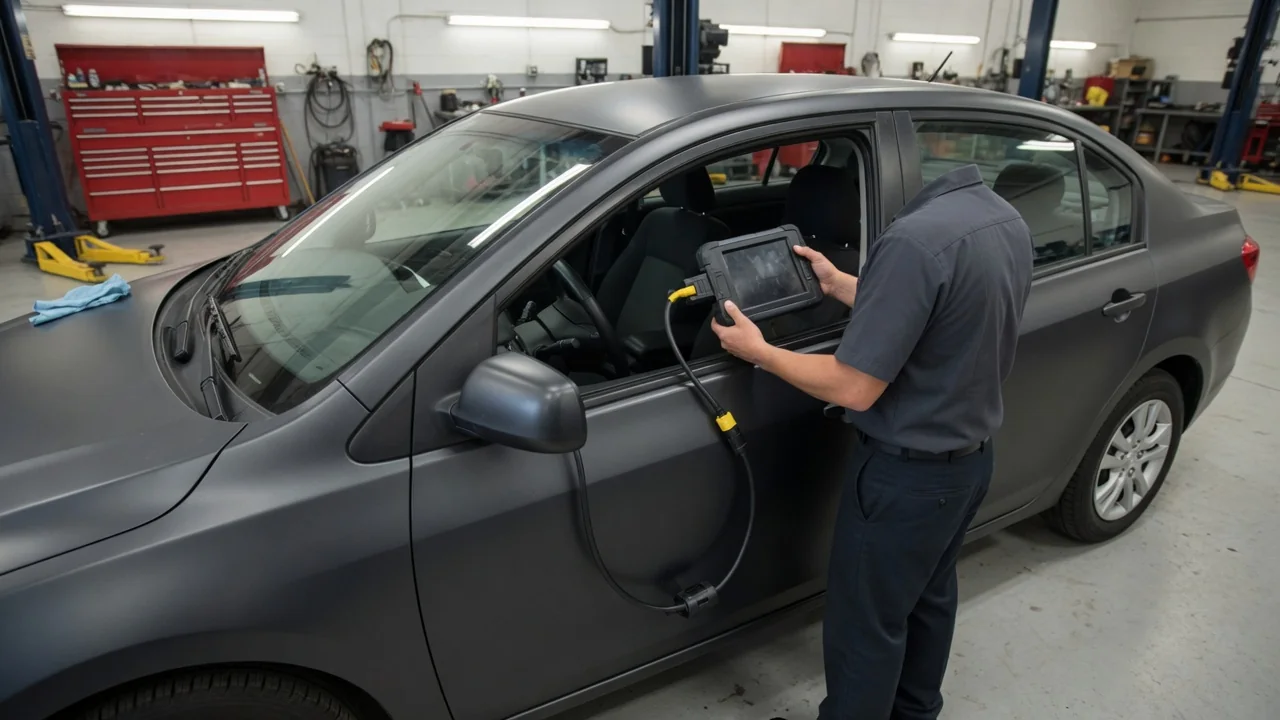
A P0345 code means the engine computer has found a problem in the Bank 2 camshaft position sensor A circuit. On many engines, the camshaft signal helps the module time fuel injection and ignition, and it may also help control variable valve timing, so the fault needs prompt attention. This guide explains what the code means, which symptoms can appear, how the related codes P0346 through P0349 fit in, and how a sound diagnosis proceeds.
What P0345 Means for the Bank 2 Camshaft Sensor Circuit
The standard description of P0345 is camshaft position sensor A circuit malfunction, Bank 2. In plain terms, the powertrain control module monitored the electrical signal from that sensor and saw something it could not accept. That could be a missing signal, an implausible pattern or an unexpected circuit condition. Definitions and enabling criteria can differ between manufacturers. Confirm the code description and diagnostic procedure for the exact year, make, model and engine before drawing any conclusions from it.
Bank 2 generally means the cylinder bank that does not contain cylinder 1, which applies to V-type and horizontally opposed engines with two cylinder heads. Which side of the engine that is, and which sensor carries the Sensor A label, depends on the design, so use service information instead of guessing. A circuit code also reports a detected problem in a path that includes the sensor, its connector, the wiring harness and the module. On its own, the code does not prove the sensor needs to be replaced.
Symptoms and When to Stop Driving
The most common sign of P0345 is a lit check-engine light. Depending on how the engine management system uses the camshaft signal, drivers may also notice long cranking before the engine starts, rough running, hesitation, stalling or reduced power if the module switches to a backup strategy. Not every vehicle shows all of these, and some show nothing beyond the warning light. Fuel, ignition and other sensor problems can cause the same symptoms, so symptoms alone cannot identify the failed component.
If the engine stalls repeatedly, loses a lot of power or cannot run reliably, stop in a safe place and call for assistance rather than continuing. A stall in traffic or on a highway ramp is a real risk. Even if the car seems to run normally, the code alone cannot tell you whether it is safe to keep driving, because an intermittent signal can get worse without warning. Have the vehicle checked promptly, ideally before a long trip or any towing.
Faults That Can Trigger P0345
Several faults can set P0345. The sensor can fail internally, and damaged wiring is another possibility: insulation chafed against a bracket, wires cracked by repeated heating and cooling, or a harness that was stretched or pinched. Loose terminals, corrosion, and oil or coolant contamination inside the sensor connector can disrupt the circuit. So can a fault in the supply or ground circuit the sensor depends on. Recent work near the engine is a useful clue that a connector may have been disturbed, although it does not prove the cause.
Look at mechanical causes only when vehicle-specific diagnostic information supports it. On some engines, a damaged or shifted trigger wheel, or valve timing that is out of specification, can produce a camshaft signal the module rejects. The service procedure may direct a technician to check this after the electrical tests pass. Replacing the control module is the last option. It should be backed by evidence from the circuit and signal checks, because a new module will not fix a problem that is actually in a connector or harness.
What P0346 and P0349 Add to the Diagnostic Picture
Other Bank 2 camshaft codes sometimes appear alongside P0345. The standard P0346 code description is camshaft position sensor A circuit range/performance on Bank 2. This generally means a signal is present but does not behave as expected, though the definition should be confirmed in vehicle service information. The standard P0349 description is an intermittent camshaft position sensor A circuit fault on Bank 2, and manufacturers use different criteria to set it. A P0349 code suggests a problem that comes and goes, such as a loose terminal.
Record whether each code is current, pending or stored, because that helps show when the fault occurred. A current code means the condition is present now, which makes testing easier. A pending code means the module detected the problem but has not yet confirmed it. A stored history code may reflect an event from days earlier under different driving conditions. These related codes belong in the same P0345 investigation. Seeing P0346 or P0349 as well does not prove that separate sensors have failed. They may describe the same circuit problem in different ways.
How P0347 and P0348 Guide Circuit Testing
The standard P0347 description is camshaft position sensor A circuit low on Bank 2, and the standard P0348 description is camshaft position sensor A circuit high on Bank 2. Confirm both against the vehicle-specific definition before testing begins. High and low refer to the electrical conditions the module monitors on the sensor circuit, not to camshaft position, engine speed or oil level. A P0347 code may point toward a short to ground or a lost supply, and a P0348 code may point toward a short to voltage, depending on circuit design.
Testing either condition requires the correct wiring diagram, knowledge of the sensor design and the manufacturer's test specifications. Hall-effect sensors typically use separate supply, ground and signal wires. Magnetic reluctance sensors generate their own alternating signal, so the tests for each type are different. Pin assignments and expected readings vary from engine to engine, so universal voltage figures are not reliable. Without the right information, a technician could mistake a normal reading for a fault, or damage a module by probing the wrong terminal.
Safe Observations, Professional Diagnosis, and Repair Verification
Before clearing anything, save all stored and pending codes along with the freeze-frame data, which records conditions such as engine temperature and load at the moment the fault set. Also note how the engine starts, whether the problem appears when the engine is cold or hot, and whether it happens over bumps, in rain or under acceleration. With the engine off and cool, an owner can safely look for an unplugged or damaged connector, oil soaking or a rubbing harness. Leave probing, disassembly and anything near belts, fans or other moving parts to a qualified technician.
Professional diagnosis follows the vehicle-specific procedure, starting with tests of the supply, ground and signal circuits. When appropriate, a technician may view the camshaft signal waveform on an oscilloscope and check how it lines up with the crankshaft signal to confirm the pattern and timing make sense. The repair should then address whatever was confirmed, whether that is a terminal, a section of harness, the sensor or a mechanical fault. Afterward, confirm that the engine starts and runs properly and that the code does not return under the conditions shown in the freeze-frame data.