P0327 Code: Knock Sensor Low Input, Symptoms, and Diagnosis
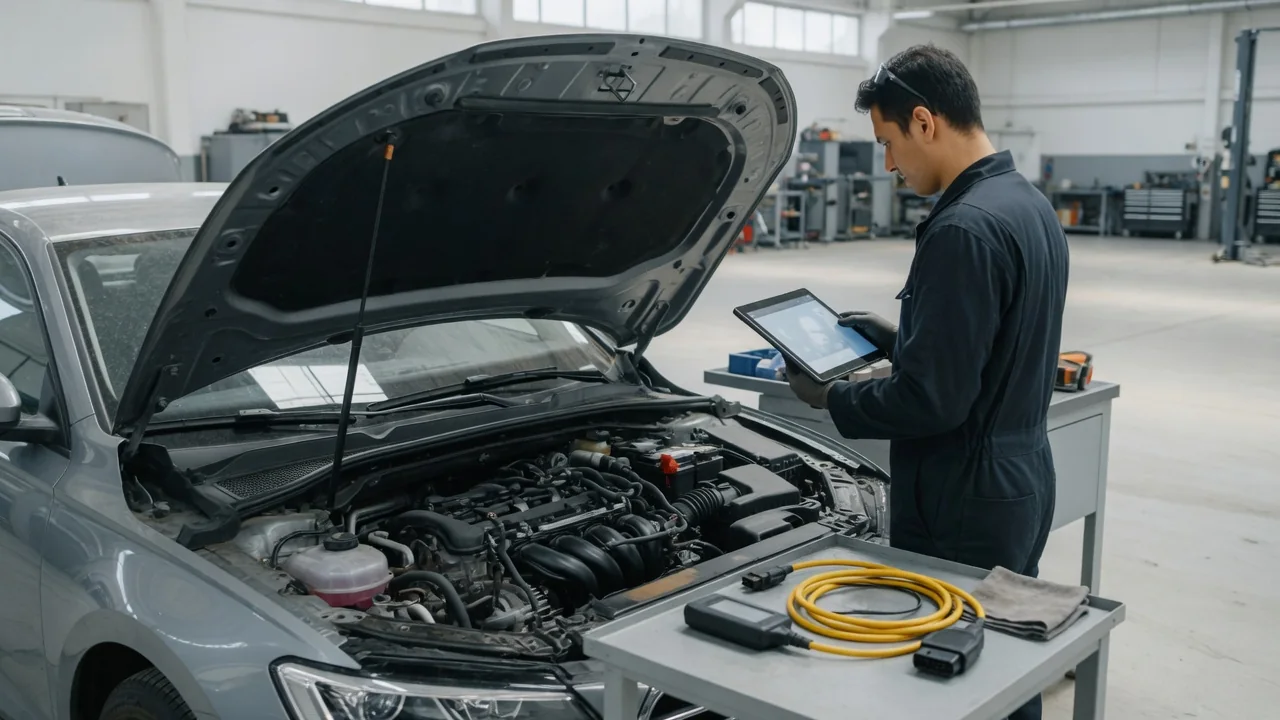
A P0327 code tells you the engine computer saw a knock sensor signal lower than it expects, usually on the sensor identified as knock sensor 1 or the bank 1 sensor. The code points to an electrical condition worth investigating, not a guaranteed failed part. Understanding the likely P0327 symptoms, the faults that can pull the signal low, and how professionals confirm the cause helps you make sensible decisions about driving and repair.
What P0327 Means for the Knock Sensor Circuit
P0327 is commonly defined as knock sensor 1 circuit low input. On engines with two cylinder banks, sensor 1 is usually associated with bank 1, while engines with a single knock sensor may simply describe it as the knock sensor circuit. Because wording, sensor numbering, and circuit layout vary, check service information for the vehicle's year, make, model, and engine before interpreting the code. That confirmation tells you which sensor is involved, where it sits, and how its wiring reaches the engine control module, which matters before any testing begins.
A knock sensor is a vibration-sensitive device mounted to the engine that produces a small electrical signal when it detects the characteristic frequencies of abnormal combustion, often called knock or detonation. The controller uses that signal to retard ignition timing when knock appears and to advance it when conditions allow, balancing power, efficiency, and engine protection. A low input signal describes what the controller measured on the circuit. It does not establish that the engine is actually knocking, and it does not prove the sensor itself has failed.
Symptoms That May Accompany P0327
The most common sign is an illuminated check engine light. Many drivers notice nothing else, because the engine may run and idle normally while the fault is stored. Where the controller cannot trust the knock sensor circuit, it may adopt a more conservative ignition timing strategy to protect the engine. Depending on how the vehicle responds, that can show up as reduced throttle response, a noticeable loss of power under acceleration, or slightly lower fuel economy, though the degree of change varies considerably between applications.
Audible pinging or knocking, especially under load or while climbing hills, may be present, but it is not required for P0327 to set and does not reveal the cause of the code. Engine noise can come from fuel quality, carbon deposits, or mechanical issues unrelated to the sensor circuit. Symptoms also cannot separate a failed sensor from a chafed wire or a corroded electrical connector, because each of those faults can produce the same low reading at the controller. Only proper circuit testing can tell them apart.
Faults That Can Produce a Low Knock Sensor Signal
One frequent cause is a signal circuit shorted to ground. If insulation wears through and the signal wire contacts the engine block, a bracket, or another grounded path, the voltage the controller sees can be pulled low. Damaged sensor wiring from heat, abrasion, or rodent activity, and loose or corroded connectors, can also distort the signal. An open circuit or intermittent break may produce a low reading on some designs and a different code on others, so how a given wiring fault appears depends on the specific circuit design.
The sensor itself can fail internally, reducing or eliminating its output. Incorrect installation is another possibility worth checking, particularly after engine work, because knock sensors often depend on proper mounting, a clean contact surface, and correct fastener torque to transmit vibration accurately. Those requirements are vehicle-specific and need confirmation from service information. A fault inside the engine control module is possible, but it should only be investigated after the sensor, its circuit, and the relevant connections have been properly tested and found sound.
Safe Observations to Record Before Diagnosis
Before anyone clears the fault memory, save every stored and pending code along with any available freeze-frame data. Freeze-frame records conditions such as engine speed, load, and temperature at the moment the fault set, which can help a technician reproduce it. Note when the warning first appeared, whether it came on during acceleration, cold starts, or rough roads, and any accompanying symptoms. Also record recent engine work, such as intake manifold, starter, or cooling system repairs, that may have disturbed nearby knock sensor wiring.
With the engine off and cool, you can look over readily accessible areas for obvious problems, such as a harness rubbing against a bracket, a melted wire, or a connector that is unplugged or loose. Stay within what you can see safely without removing components. A visual check has clear limits: some knock sensors are hidden beneath the intake manifold or other components, wiring can look intact while being broken inside, and a code that temporarily disappears may simply mean the fault is intermittent rather than resolved.
Professional Tests That Identify the Actual Fault
Accurate diagnosis follows the vehicle-specific diagnostic procedure and wiring diagram rather than universal voltage or resistance targets, because acceptable values differ between designs. A technician will typically check circuit continuity between the sensor and the controller, test for shorts to ground or to voltage, and inspect connector terminals for spread pins, corrosion, or poor tension. Where the design includes shielded cable or dedicated grounds, those are verified as well, since a compromised shield or poor ground can distort a weak signal and mimic a sensor failure.
Appropriate scan data and signal testing, sometimes with an oscilloscope, can show whether the controller is receiving a valid sensor signal as the engine runs. Comparing that result with the circuit tests helps separate wiring faults from sensor faults. Before recommending a new sensor, a professional should confirm mounting requirements and review all test results together. Improvised checks, such as striking the engine to provoke a signal or bypassing the circuit with jumper wires, are not appropriate, since they can damage components and produce misleading conclusions.
Driving Decisions and Confirmation After Repair
The code alone cannot establish whether continued driving is safe. The decision should rest on how the vehicle behaves and on any guidance in the owner's manual. When the check engine light is steady and the engine runs normally, it is often reasonable to drive gently while arranging diagnosis, avoiding heavy engine load such as towing, hard acceleration, or long steep climbs. However, stop safely and seek assistance if you hear loud, persistent knocking, experience severe power loss, see overheating or an oil-pressure warning, or notice a flashing check engine light.
After a repair, verification matters as much as the fix itself. Clearing the light only erases the stored record; it does not prove the problem is gone. Proper confirmation includes checking that the knock sensor circuit now operates correctly and then running the vehicle through the manufacturer's specified verification conditions, which may include particular temperatures, speeds, or load levels. If the monitor completes without the fault returning and no pending codes appear, the repair can be considered confirmed rather than assumed, and the original freeze-frame data remains useful for comparison.