P0243–P0250 Codes: Wastegate Solenoid A and B Fault Diagnosis
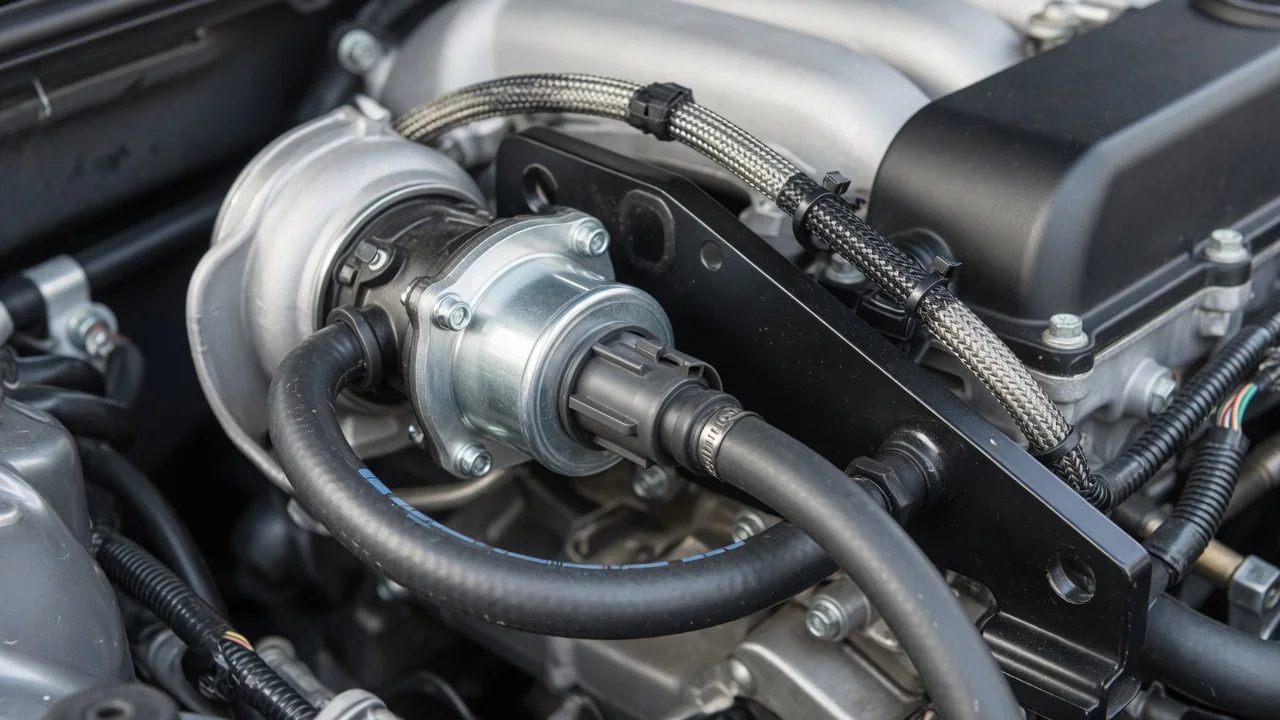
A P0243 code—or a related P0245, P0246, or P0250 code—points to trouble in the turbocharger wastegate control circuit. This system adjusts boost pressure by controlling a solenoid that routes vacuum or pressure to the wastegate actuator. Faults can cause poor acceleration, uneven power delivery, or excessive boost, and the underlying cause may be electrical, pneumatic, or mechanical.
Verify the Code Definition and Wastegate Control Layout
Begin by confirming the exact code and its definition for your specific year, make, model, and engine. The P0243–P0250 family covers wastegate control solenoid A and B malfunctions, but each code signals a distinct electrical or performance fault. For example, P0243 indicates a general malfunction of solenoid A, P0244 a range or performance problem, P0245 a circuit low condition, and P0246 a circuit high condition.
The letters A and B are service-information designations, not physical labels on the vehicle. They do not tell you which solenoid is where, whether it controls vacuum or pressure, or if it is interchangeable with another part. Before touching hoses or wiring, determine whether your system uses vacuum-operated or pressure-operated solenoid control. This distinction changes how you inspect and test the pneumatic side of the circuit.
P0243 and P0244: Solenoid A Malfunction and Performance Faults
P0243 typically means the engine control module has detected a general malfunction in wastegate control solenoid A. P0244 indicates a range or performance fault, which suggests the solenoid is responding but not as expected. Both codes can stem from electrical issues like high resistance or intermittent connections, or from pneumatic problems such as a sticking valve or restricted vacuum supply.
Neither code proves that the solenoid or turbocharger has failed. A P0243 could be caused by a connector that is not fully seated, while a P0244 might result from a wastegate actuator that binds or a boost leak. Proper diagnosis requires testing the solenoid’s electrical response and the integrity of the control circuit before condemning any component.
P0245 and P0246: Solenoid A Low and High Circuit Signals
P0245 identifies a circuit low condition for solenoid A, and P0246 identifies a circuit high condition. Low and high refer to monitored electrical states, not boost pressure. A low circuit condition might mean the control module sees voltage drop below an expected threshold, while a high condition could indicate voltage present when it should not be. These are wiring and component faults, not direct boost measurements.
Possible causes include damaged wiring, corroded connectors, a poor ground, or an internal solenoid fault. Without vehicle-specific wiring diagrams and specifications, you cannot distinguish between a short to ground, a short to voltage, or an open circuit. The control module may monitor current or voltage, so the diagnostic approach varies by manufacturer. Always confirm what the module expects before testing.
P0247 Through P0250: Identify the Solenoid B Circuit
For solenoid B, common descriptions include P0247 for a general malfunction, P0248 for range or performance, P0249 for circuit low, and P0250 for circuit high. However, not every turbocharged vehicle has two solenoids, and the B designation does not mean it is on a particular bank or side. Service information will identify the specific component and connector for your application.
Codes like P0247 or P0250 demand circuit diagnosis, not turbocharger replacement. A failed boost control solenoid can cause underboost or overboost, but the turbocharger itself may be healthy. If multiple related codes are stored, check shared electrical supplies or harness routing where the wiring diagram supports it. Corrosion in a common connector can affect several circuits simultaneously.
Recognize Boost Symptoms and Decide When to Stop Driving
Symptoms may include an illuminated check-engine light, reduced acceleration, limited-power operation, or inconsistent boost. Some drivers notice surging or hesitation under load, while others feel no change because the wastegate defaults to a safe position. The codes alone do not confirm actual boost pressure; a scan tool reading commanded versus actual boost can reveal discrepancies.
While the fault remains unresolved, avoid hard acceleration and deliberate boost testing. If you experience severe power loss, smoke, unusual mechanical noise, overheating, or an urgent dashboard warning, stop safely and arrange assistance. Continuing to drive with an uncontrolled wastegate could lead to overboost and engine damage or to a sudden loss of power in traffic.
Safe Observations and Professional Tests That Narrow the Cause
Record all stored and pending codes, freeze-frame data, and the conditions when symptoms appeared before clearing anything. Freeze-frame data shows engine speed, load, and temperatures at the moment of the fault, which helps link the code to operating conditions. With the engine off and cool, visually inspect accessible wiring, connectors, and hoses for obvious damage or disconnection.
Hose damage can affect boost control but does not explain a low or high circuit code. Professional testing includes checking power supply, grounds, wiring continuity, solenoid response, and vacuum or pressure control using vehicle-specific procedures. After a repair, confirm the fault does not return and that boost control operates correctly before considering the job complete.