P0234 Code: Overboost Symptoms, Causes, and Safe Diagnosis
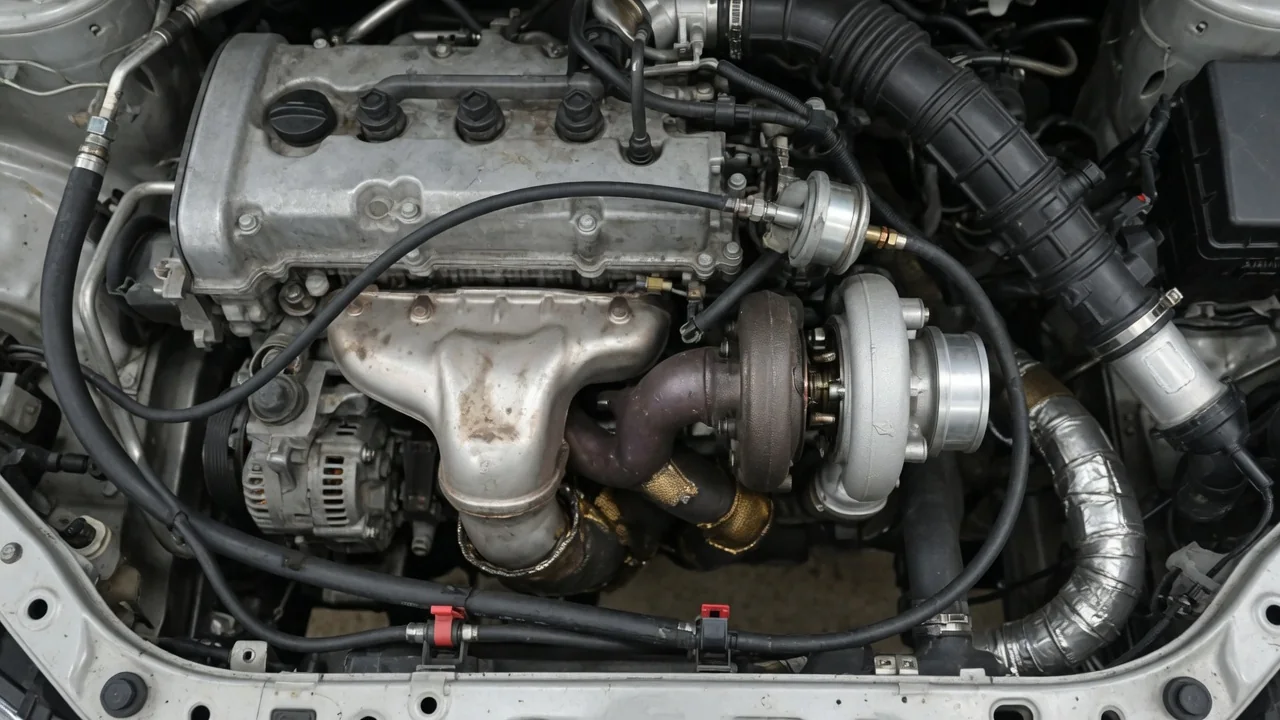
The P0234 code generally points to a turbocharger overboost condition that the engine control module has detected, not to a single failed part. Drivers often see a check engine light and may notice reduced power or limp mode when commanded boost and actual boost no longer agree. Confirming the vehicle-specific description and boost system design is essential before interpreting the fault, because manufacturer-dependent codes require confirmation on that engine.
What the P0234 Code Means
A P0234 code typically means the control module has recorded an engine overboost condition, meaning measured boost rose beyond the limit the software uses for that operating point. The exact threshold, how long the condition must persist, and which sensors feed the decision are defined in the vehicle's diagnostic criteria, so the same code on two engines is not interchangeable. Before treating the fault as turbocharger overboost, confirm the published description, whether the engine uses a wastegate, variable geometry, or another boost path, and which monitor actually set the code.
The stored P0234 code is evidence of a detected condition, not proof that the turbocharger, wastegate, boost control solenoid, or boost pressure sensor has failed. Actual boost can exceed commanded boost because a control device did not open, because a hose routed pressure incorrectly, or because a sensor reported an implausible value. Freeze-frame data captured at the moment of the fault helps a technician compare requested and measured boost, but only a vehicle-specific test plan can separate a genuine overboost event from a measurement or wiring problem.
Symptoms and When to Stop Driving
Symptoms associated with a P0234 code vary with how the control module responds and how severe the event was. A check engine light is common. Some drivers feel a sudden drop in power, interrupted acceleration, or a shift into limp mode that limits throttle and boost to protect the engine. Others notice little more than a warning lamp if the module briefly saw actual boost above commanded boost and then recovered. Because limp mode is a protective strategy rather than a diagnosis, the same code can present as a mild warning or a dramatic loss of performance.
Limp mode may remain after a restart if the control module still sees a boost control problem, so starting the engine again does not establish that the P0234 code is resolved. Avoid heavy throttle, towing, and any attempt to reproduce turbocharger overboost, because those conditions can raise cylinder pressure and exhaust temperature further. If power loss is severe, if smoke appears, if unusual mechanical noise develops, or if other urgent warnings accompany the light, stop in a safe place and arrange assistance rather than continuing to drive.
Boost Control Problems That Can Trigger Overboost
On engines with a wastegate, that valve should open as commanded so excess exhaust energy bypasses the turbine and actual boost stays near commanded boost. If the wastegate sticks closed, the actuator cannot move it, or the boost control solenoid never applies or vents the pressure the actuator needs, the turbocharger can keep spinning up. Damaged or incorrectly routed control hoses can starve the actuator of signal or apply pressure at the wrong time. Each possibility requires confirmation; the P0234 code does not prove which one occurred.
Some engines use variable turbo geometry instead of a conventional wastegate, so vanes or similar hardware change turbine flow. A diagnostic path for those designs looks at whether the geometry moved as commanded, not at a wastegate that the engine may not have. Recent boost control modifications or calibration changes belong in the diagnostic history because they can alter how commanded boost is calculated or how quickly the actuator responds. Recording that history helps a technician choose the right tests; it is not a reason to retune the system or to adjust boost at home.
Sensor and Wiring Faults That Need Verification
Boost monitoring and control depend on pressure signals remaining plausible as engine speed and load change. A boost pressure sensor with a poor connection, damaged wiring, or an electrical fault can report actual boost that does not match commanded boost even when the turbocharger is behaving normally. Depending on the vehicle, that implausible reading can affect closed-loop boost control as well as the overboost monitor. A technician may inspect sensor connectors, look for chafed or oil-soaked harnesses, and review companion codes that point to circuit range, performance, or correlation problems rather than treating P0234 in isolation.
A P0234 code by itself cannot establish whether pressure in the intake path was physically excessive or whether the recorded reading was inaccurate. Both situations can set the same fault, which is why replacing a sensor, solenoid, or turbocharger on the code number alone is not a diagnosis. Testing must follow vehicle-specific specifications for sensor supply voltage, signal range, commanded versus measured boost, and actuator response. Only after those results confirm a failed component or a true overboost path should parts be recommended.
Safe Checks Before a Workshop Visit
Before anything is cleared, record every stored and pending code along with available freeze-frame data. That snapshot often includes engine speed, load, commanded boost, actual boost, and coolant or intake temperature at the moment the P0234 code set, which is far more useful than a blank module after a reset. Note when the warning appeared, the driving conditions, the symptoms, and any recent repair or modification history. Do not try to recreate the overboost event to gather more information, because repeating heavy throttle can add mechanical risk without improving the record.
Visual observations should stay limited to accessible hoses and connectors with the engine off and cool. Avoid hot turbocharger housings, moving belts, and under-vehicle inspection without proper support. Owner checks should not include moving an actuator by hand, applying pressure to control lines, adjusting a wastegate, bypassing the boost control solenoid, or running a full-throttle road test. Those actions can damage hardware or create a more severe overboost condition. Photograph routing and connectors if useful, then leave functional testing to a technician with that engine's service information.
How Professional Testing Leads to the Right Repair
Professional diagnosis starts with the vehicle's published procedure, not with parts replacement. A technician reviews freeze-frame data, compares requested and measured boost, checks sensor plausibility against other pressure and load signals, and lists related codes that may show a circuit, correlation, or actuator fault. Controlled tests of the actuator, boost control solenoid, wiring, and pressure circuit then help distinguish a control fault that allowed true overboost from a measurement problem that only looked like overboost. Those tests are done with service information and equipment matched to the engine, not with guesswork from the code number.
Repairs should follow confirmed findings. Restoring a damaged hose or connector, repairing verified wiring, or correcting a documented wastegate, solenoid, or actuator fault can restore agreement between commanded boost and actual boost. If testing shows the boost pressure sensor was reporting incorrectly, that circuit is addressed rather than the turbocharger. Verification means confirming proper boost control under the service procedure and checking that the P0234 code and related faults do not return. Clearing the code without fixing the cause is not a repair, because the monitor can set the same evidence on the next drive cycle.