P0219 Engine Overspeed and P0297 Vehicle Overspeed Codes Explained
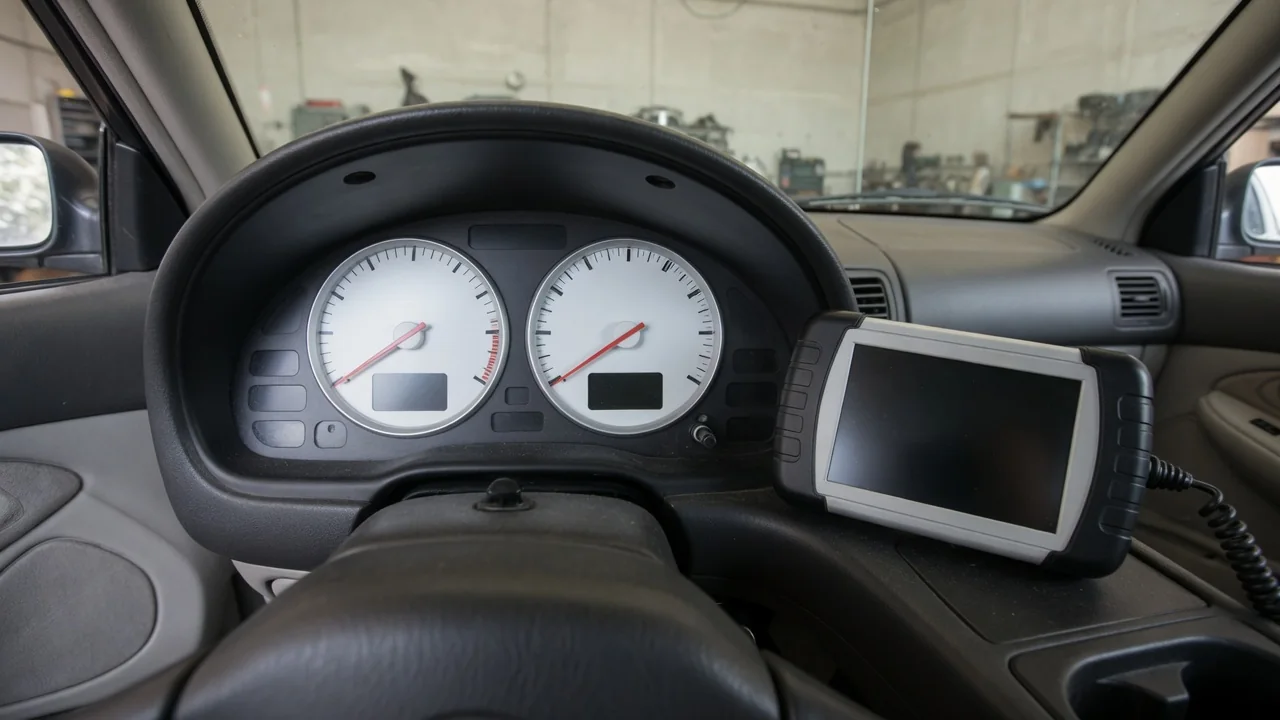
P0219 and P0297 are diagnostic trouble codes that record overspeed conditions the powertrain control module detected, not a failed part. A P0219 code flags an engine overspeed condition from engine RPM, while a P0297 code flags a vehicle overspeed condition from the vehicle speed signal. Neither proves damage, driver intent, or duration. Vehicle-specific service information is required before interpreting thresholds or next steps.
P0219: What an Engine Overspeed Code Records
A P0219 diagnostic trouble code means the control system recorded an engine overspeed condition, typically when engine RPM exceeded a manufacturer-defined limit under the enabling conditions that apply to that vehicle. The powertrain control module uses engine speed as the primary input, but the exact definition, RPM threshold, and how long the condition must persist before the code sets are not universal. Before interpreting the event, consult vehicle-specific service information so the recorded P0219 code is compared with that model's criteria rather than a generic RPM figure.
Operating circumstances can push engine RPM past the limit without a failed component. An inappropriate downshift is one example that can produce an overspeed event, yet that sequence is only one possibility and should not be assumed for every P0219. The stored code records that the module saw an overspeed condition, not why it happened, how long it lasted, or whether internal parts were harmed. Pending and stored codes, freeze-frame data, and related faults still need review before anyone treats the event as mechanical damage or as a specific driving mistake.
P0297: What a Vehicle Overspeed Code Records
A P0297 diagnostic trouble code means the control system recorded a vehicle overspeed condition, generally when the vehicle speed signal exceeded a manufacturer-defined threshold under that vehicle's setting criteria. Like P0219, the definition, speed threshold, and enabling conditions are manufacturer-dependent, so they must be confirmed in vehicle-specific service information rather than treated as a universal trigger speed. The powertrain control module is reporting that its speed input met the code's conditions, which is evidence to interpret, not proof of a particular road speed or of a failed speed sensor.
Recorded speed data and related faults help a technician decide whether the P0297 code reflects actual vehicle motion or an inaccurate input. Freeze-frame data, if available, may show vehicle speed, engine RPM, and other parameters at the moment the snapshot was taken, which can be compared with other speed-related codes or implausible readings. An isolated P0297 does not independently prove a particular road speed or establish driver behavior. Until signal plausibility and vehicle-specific criteria are checked, the code should be treated as a recorded overspeed condition, not as a completed finding about how the vehicle was driven.
Preserve the Evidence Before Clearing Either Code
Before anything is erased, record stored and pending codes, available freeze-frame data, and any warning messages that appeared with P0219 or P0297. That capture is the only reliable way to keep the diagnostic trouble code context after a scan tool clear. Useful details include recorded engine RPM, vehicle speed, engine load, and what the driver noticed when the warning appeared. Pending and stored codes should be listed together, because a pending code may show a condition that has not yet met all criteria to remain stored, while a stored code indicates the module already completed its set conditions.
Freeze-frame availability and detail vary by vehicle and by how the powertrain control module stores snapshots. A freeze-frame may capture conditions near the set moment rather than the event's peak engine RPM, peak vehicle speed, or full duration, so missing peak values does not prove the overspeed was mild. Document recent work or modifications, including sensor replacements, tire size changes, or calibration updates, without assuming they caused the code. Those notes simply preserve a timeline that a technician can compare with the recorded vehicle speed signal, engine RPM, and related faults.
Assess Possible Damage and Whether to Keep Driving
An overspeed code by itself neither confirms damage nor guarantees that the vehicle is unharmed. Excessive engine RPM can stress valvetrain parts, connecting rods, pistons, and other rotating assemblies, but the actual consequences depend on how far and how long the engine was oversped and on that engine's design. A P0219 code does not quantify those variables. A P0297 vehicle overspeed condition likewise does not, on its own, prove driveline or tire damage. Treat the diagnostic trouble code as a recorded event that still needs correlation with symptoms, oil condition, and any related warnings.
New knocking, severe vibration, rough running, power loss, or critical oil-pressure and temperature warnings are reasons to stop safely and arrange assistance rather than continue driving in hope the warning disappears. Those symptoms can indicate that an overspeed event stressed lubrication or internal clearances enough to need inspection. A vehicle with no obvious symptoms is not automatically cleared for unlimited use. If the P0219 or P0297 code returns, or if a significant overspeed event is suspected from the freeze-frame data and driver account, the vehicle still needs assessment before assuming the powertrain is unharmed.
When Professional Testing Is Needed
When a P0219 code or P0297 code returns, a technician uses vehicle-specific diagnostic procedures, related codes, and signal plausibility checks to investigate repeat occurrences. That process compares engine RPM and the vehicle speed signal with other module data to see whether the overspeed condition is consistent across inputs. If evidence suggests inaccurate data, relevant speed or RPM inputs and their circuits are checked for faults, poor connections, or implausible correlation. Finding a wiring or signal issue does not automatically call for a replacement sensor; the circuit and the data have to support that conclusion first.
Concerning symptoms after a suspected mechanical overspeed may warrant targeted engine testing selected by a technician, such as evaluating unusual noise, compression-related concerns, or lubrication warnings in the context of that engine. Those tests are chosen from the vehicle's condition, not from the code number alone. Attempts to reproduce the fault through high-speed driving, deliberate over-revving, or unsafe downshifts are not an appropriate diagnostic method. Recreating an engine overspeed condition or a vehicle overspeed condition can add stress the powertrain control module already flagged, and it does not substitute for reviewing freeze-frame data and following the published diagnostic path.
Clear the Codes After Assessment and Reduce Repeat Events
Clearing a P0219 or P0297 code erases diagnostic information and does not repair the underlying cause or reverse damage. After evidence is saved and the cause is assessed, an appropriate scan tool can clear pending and stored codes. Clearing may reset emissions readiness monitors, so a vehicle that must complete those monitors for inspection may need a subsequent drive cycle under normal operating limits. The warning-light behavior, how long a code remains, and any supported permanent-code clearing depend on the vehicle and on successful monitor operation, not on disconnecting the battery as a substitute for a proper clear.
After a clear, observe the vehicle's operating limits and select gears so engine RPM stays within the designed range, especially on downshifts. Recurring P0219 or P0297 codes should be evaluated with saved freeze-frame data and related faults rather than by attempting another overspeed event. If the diagnostic trouble code returns quickly, the powertrain control module is again seeing an engine overspeed condition or a vehicle overspeed condition, so the earlier clear did not address the cause. Have that repeat occurrence diagnosed instead of treating a dark warning light as proof the issue is gone.