P0216 Code: Injection Timing Control Faults and Diagnosis
P0216 is commonly associated with diesel injection timing control, and a P0216 code typically means the engine control module has detected a problem in how injection timing is commanded or confirmed. The label is a starting point, not a parts list. Confirm the exact definition, setting criteria, and diagnostic path for the year, make, model, and engine, because manufacturer-dependent codes require vehicle-specific confirmation.
What P0216 Means on the Affected Vehicle
On many diesel platforms, P0216 is described as an injection timing control circuit malfunction, which means the control module saw a timing-control condition that did not match expected operation. That description still needs the vehicle's service information. Setting criteria can involve commanded injection timing versus measured response, circuit continuity, or actuator feedback, and those details differ by engine family. Treat the stored P0216 code as evidence to interpret, not proof that a pump, solenoid, or harness has already failed.
The code identifies a detected timing-control problem; it does not establish which component needs replacement. Before interpreting the fault, confirm the exact code definition, enable conditions, and diagnostic procedure for that year, make, model, and engine. Some systems monitor a timing solenoid on the injection pump, while others watch related circuits or pump-mounted actuators. Until those manufacturer steps are followed, a P0216 finding remains a system-level complaint rather than a verified failed part.
Symptoms to Record and When to Stop Driving
A P0216 condition may appear with difficult starting, rough running, reduced power, stalling, or unusual exhaust smoke, yet not every vehicle will show those signs. Some engines set the code with only a warning lamp and little drivability change, while others misfire or hesitate when load increases. Record whether the behavior shows up during cold starts, after warm-up, during acceleration, at idle, or under other repeatable conditions. Those notes help a technician compare freeze-frame data with what you actually felt.
Stalling, severe power loss, visible fuel leakage, or heavy smoke is reason to stop safely and arrange professional assessment or towing rather than continuing a trip. Injection timing that is far from the commanded injection timing can leave the engine unstable, and fuel supply issues may add to that instability if they are part of the vehicle's diagnostic path. Do not keep driving through a loss of control or a fuel smell. A short, accurate symptom log is more useful than pushing the vehicle until another fault appears.
Possible Pump, Solenoid, Wiring, and Fuel Supply Faults
Where the design uses an injection pump with an internal timing mechanism or a timing-control actuator, those parts can be involved in a P0216 complaint. A timing solenoid that does not move as commanded, a worn pump timing device, or an actuator that fails to report expected position can all produce a timing-control mismatch. That possibility still has to be proven on the specific engine. Symptoms and the code alone cannot isolate a pump, solenoid, or electrical fault, so replacement guesses are not a diagnosis.
Damaged pump wiring harness sections, loose or corroded connectors, and power or ground faults are equally plausible and require testing before any mechanical conclusion. Open circuits, high resistance, and poor grounds can make a healthy actuator look unresponsive. Fuel supply restrictions or air entry belong in the conversation only when the vehicle-specific diagnostic procedure identifies them as relevant; they are not automatic causes of every P0216 code. Electrical checks and fuel-path tests, when specified, separate a wiring problem from a genuine pump or solenoid failure.
Safe Checks Before a Diagnostic Appointment
Before a shop visit, save all stored and pending codes and any available freeze-frame data rather than clearing memory. Freeze-frame data can capture engine speed, load, temperature, and related timing values at the moment P0216 set, which later tests cannot recreate. Note recent fueling, maintenance, battery problems, and when symptoms first appeared so the technician has diagnostic context. A weak battery or a recent fuel filter service does not prove the cause, but it can change how injection timing control is evaluated.
Limit owner observations to accessible visible wiring damage or signs of leakage with the engine off and cool. Do not disconnect components, open fuel lines, probe energized circuits, adjust injection timing, or attempt pump disassembly. Those actions can introduce air, damage connectors, or change timing in ways that are unsafe and hard to reverse. Photograph connector condition and any dampness around the pump if it is visible without tools. Bring those notes to the appointment instead of trying to service the injection pump yourself.
How Diagnosis Leads to a Verified Repair
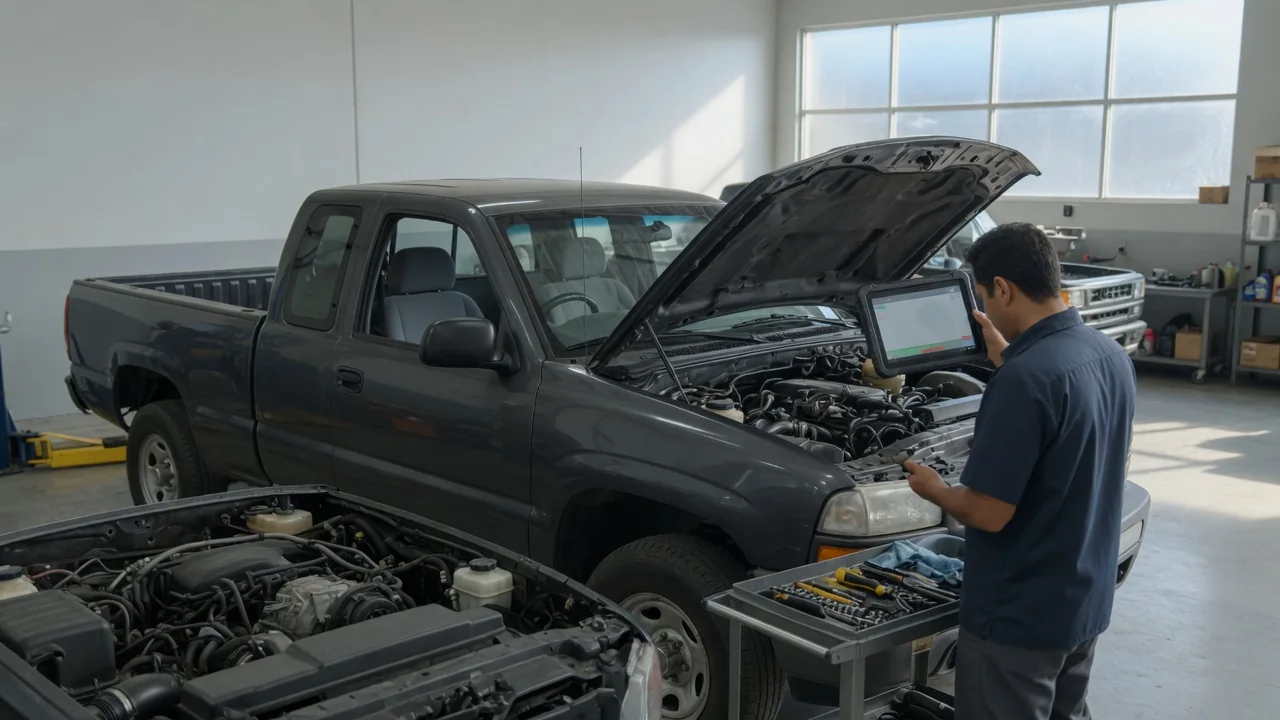
Professional diagnosis starts with the correct service information for that engine, then reviews accompanying codes, freeze-frame data, and the published test sequence. Electrical checks of the timing solenoid or actuator circuit, power, ground, and the pump wiring harness come next when the procedure calls for them. Applicable fuel supply tests follow only if the manufacturer path includes them. Supported scan data can compare commanded injection timing with system response, but not every vehicle exposes the same parameters, so technicians work from the data that platform actually provides.
Repairs should match confirmed findings, such as repairing wiring, restoring a connector, or addressing a verified actuator or injection pump fault after confirming whether those parts are separately serviceable. Replacing the pump because P0216 is stored is not a verified repair. After the work, complete any required setup procedures, recheck symptoms under the conditions that originally set the fault, and rescan. Clearing the P0216 code alone does not prove success; the timing-control system has to operate correctly through the manufacturer's verification conditions.