P0175 Code: Bank 2 Rich Symptoms, Causes, and Diagnosis
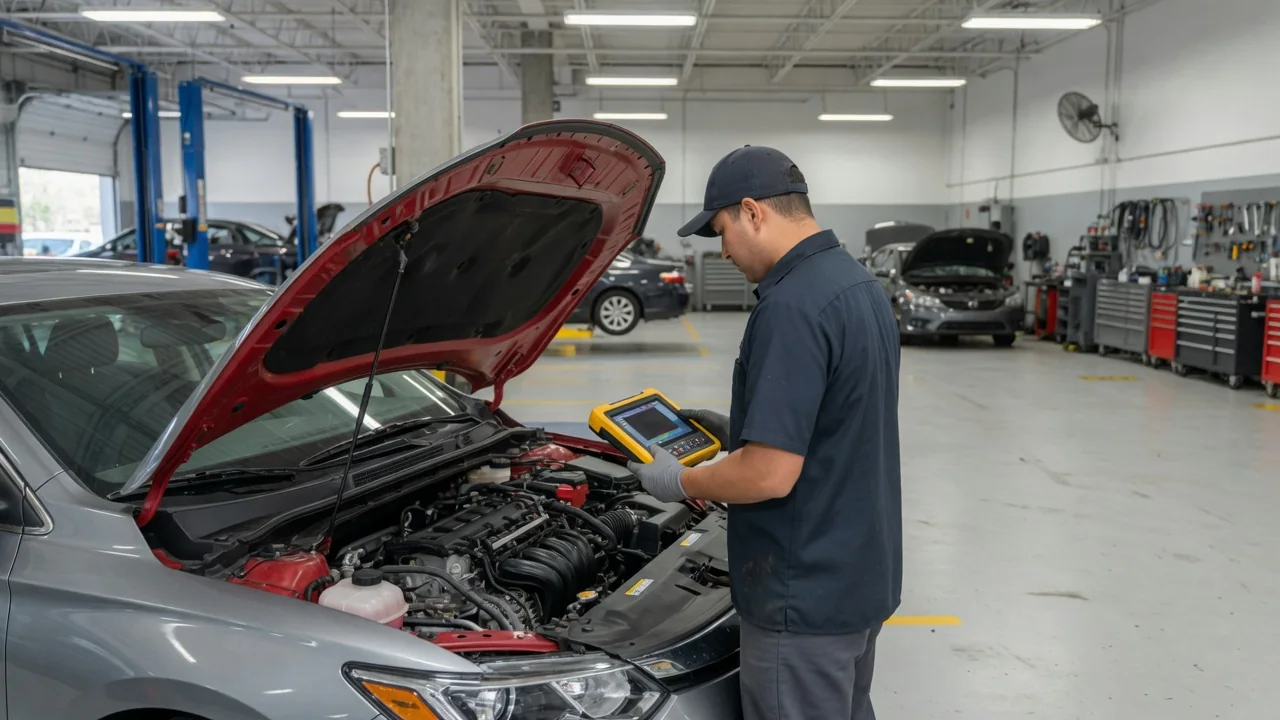
A P0175 code tells you the engine computer has seen bank 2 running richer than it can comfortably correct. That warning matters, but it is a starting point rather than a verdict. Understanding what the code measures, where bank 2 sits, which P0175 symptoms deserve immediate attention, and how evidence narrows the cause helps you avoid guesswork and unnecessary parts.
What P0175 Means and What the Code Cannot Identify
P0175 is defined as System Too Rich, Bank 2. It means the powertrain control module has detected that the mixture on that side of the engine needed more fuel removal than its monitoring criteria allow. The module compares oxygen sensor feedback against its target air-fuel ratio and adjusts injector pulse width to compensate. When those corrections stay beyond a calibrated limit long enough, and the other enabling conditions are met, the code sets and the check-engine light may illuminate.
Fuel trim is the clearest window into this correction. Short-term fuel trim reacts quickly to sensor feedback, while long-term fuel trim stores learned adjustments. Negative values mean the controller is subtracting fuel because it believes the mixture is rich. However, the code identifies a monitored condition, not a failed part, and a skewed sensor can make a normal mixture look rich. Before applying any test limits or choosing repairs, confirm the exact vehicle, engine, and applicable diagnostic information for that model.
How to Locate Bank 2 on Your Engine
On engines with two cylinder banks, such as V6, V8, and horizontally opposed designs, bank 2 is the bank that does not contain cylinder number 1. Bank 1 always holds cylinder 1, so locating that cylinder establishes both sides. The trouble is that manufacturers number cylinders differently, and the same basic layout can place cylinder 1 at the front, rear, left, or right depending on the engine family and how it is mounted in the chassis.
For that reason, labels like driver side, passenger side, front, or rear cannot reliably identify bank 2 on their own. A transverse V6 in a front-drive car may put its banks toward the radiator and firewall, while a longitudinal engine places them left and right. Use the correct engine diagram or service information to confirm cylinder numbering. If the engine you have identified has only one cylinder bank, verify the engine identification and recheck the exact scan result before going further.
Symptoms and Signs That Driving Should Stop
Possible P0175 symptoms include an illuminated check-engine light, rough idle, hesitation on acceleration, increased fuel consumption, a raw fuel odor, or dark exhaust smoke. Excess fuel can foul spark plugs over time and make the engine feel sluggish. Yet many vehicles show no obvious drivability change at all, with the stored code being the only sign. Symptoms also overlap with many other faults, so they cannot confirm the cause by themselves and should be recorded as supporting evidence.
Some signs mean driving should stop. A flashing check-engine light generally indicates misfire severe enough to harm the catalytic converter, and severe shaking, substantial power loss, or any sign of a fuel leak call for stopping safely and seeking assistance rather than pressing on. Even without those warnings, persistent rich operation sends unburned fuel into the exhaust, where it can overheat and damage the converter. Avoid prolonged driving while the cause remains unresolved, since the eventual repair can grow considerably.
Reading P0175 Alone or Alongside P0172
When P0175 appears alone, attention naturally turns to bank 2 data and the components that serve only that side, such as its injectors and upstream air-fuel or oxygen sensor. Shared causes remain under consideration, however, because one bank can cross its limit earlier than the other even when both are affected. Compare trims from each bank under the same conditions; a large difference between sides points in a different direction than two banks that are both drifting rich.
P0172 identifies a rich condition on bank 1, so seeing both codes together justifies evaluating causes that can affect the whole engine, such as airflow measurement, fuel pressure, or purge flow. Before choosing a path, review all stored and pending codes, including misfire and sensor-related codes, since those may explain or distort the trim data. Keep in mind that code combinations guide testing but do not prove a shared fault, nor do they rule out two separate problems occurring at once.
Possible Causes and the Evidence Needed to Confirm Them
Excess fuel delivery is a common line of inquiry. An injector that leaks or drips after shutoff can enrich its cylinder, and fuel-pressure regulation problems can push more fuel through every injector than the controller expects. On a single-bank code, a leaking bank 2 injector is plausible, while a pressure fault would more typically influence both sides. Confirming either requires professional testing with appropriate equipment and procedures, because the fuel system operates under pressure and presents a real fire risk.
Sensor inputs matter just as much. A mass airflow sensor that overreports airflow leads the controller to add fuel the engine does not need, while inaccurate temperature inputs can skew enrichment. A faulty air-fuel or oxygen sensor can also falsely suggest a rich condition, prompting unneeded fuel subtraction. Purge-system faults, such as a valve that flows when it should not, and intake restrictions deserve consideration when vehicle design and evidence support them. Replacing parts solely because P0175 is present often leaves the actual fault unresolved.
Safe Diagnostic Steps and Repair Verification
Start by recording every code, the freeze-frame data, symptoms, and any recent work before clearing anything. Freeze-frame values such as engine temperature, load, speed, and fuel trims show the conditions present when the fault was logged, which helps reproduce it later. Owner checks should stay limited to what is accessible with the engine off and cool: intake duct connections, air-filter condition, and visible wiring damage. Avoid opening the fuel system or working around running components, belts, or hot exhaust parts.
A technician then evaluates short-term and long-term fuel trims at idle and under load, checks sensor plausibility against expected readings, measures fuel pressure, tests injector sealing, and verifies purge operation using vehicle-specific procedures. Once the confirmed cause is repaired, verification means seeing appropriate fuel-trim behavior, resolved symptoms, and completed readiness monitors without the code returning after representative driving. Simply clearing the light is not proof of repair, because the controller may need several drive cycles to rerun its fuel-system monitor.