P0134 Code: Bank 1 Sensor 1 No Activity Explained
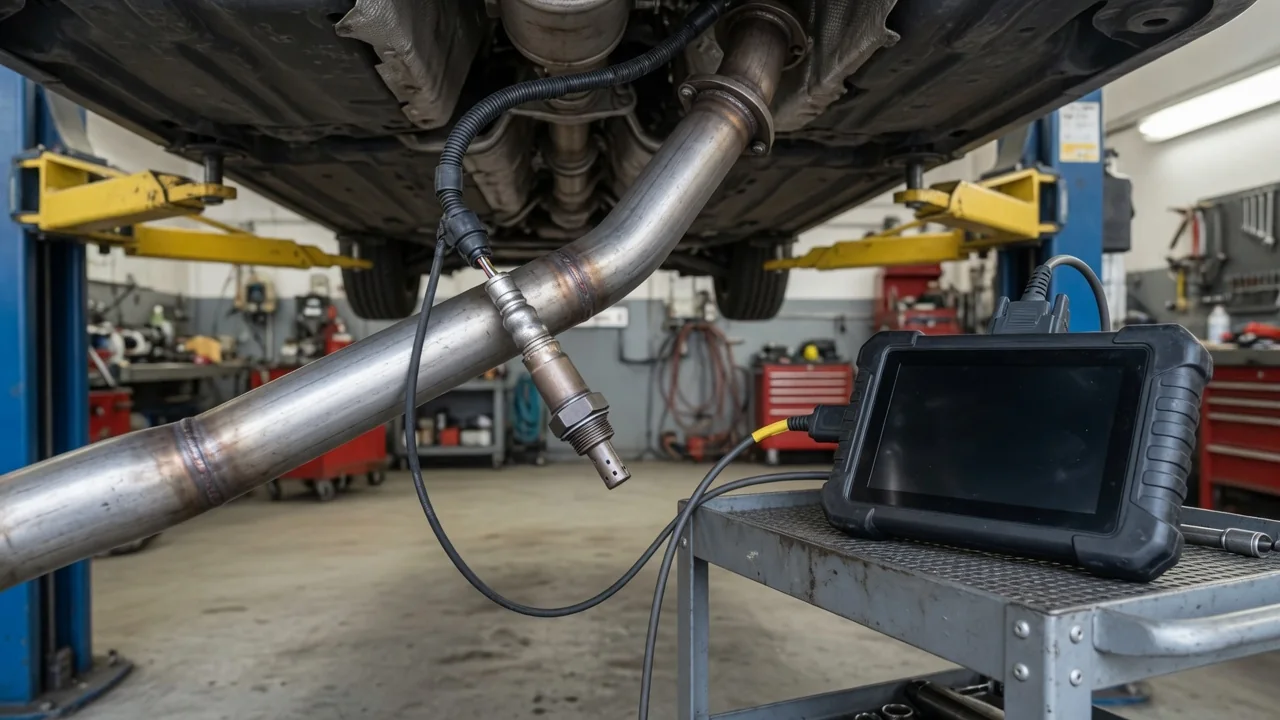
A P0134 code tells you the engine computer saw no meaningful activity from the Bank 1 Sensor 1 oxygen sensor circuit while it was monitoring that sensor. The upstream oxygen sensor helps the computer adjust fuel delivery, so this code deserves attention. Below is what it means, which symptoms matter, and how a proper diagnosis tells a failed sensor apart from wiring, heater, or exhaust problems.
What P0134 Means at Bank 1 Sensor 1
P0134 is a generic powertrain code. It is usually described as no activity detected in the oxygen sensor circuit for Bank 1 Sensor 1. Once the engine and sensor are ready, the engine computer expects the sensor signal to change as the oxygen content of the exhaust changes. If the signal stays flat, or outside the expected pattern, under the conditions being monitored, the computer stores the code. Bank 1 is the side of the engine that contains cylinder 1. Sensor 1 is the upstream sensor, mounted ahead of the catalytic converter.
Inline engines have only one bank, while V-type engines have two, and which side holds cylinder 1 depends on the design. You need vehicle-specific information to find the physical sensor. Service information also confirms the exact code description, whether the part is a conventional oxygen sensor or a wideband air-fuel ratio sensor, the enabling conditions, and the expected signal. Without those details, scan data is easy to misread. Keep in mind that the code reports a monitored condition. It does not by itself prove the sensor needs replacement.
Symptoms and When to Limit Driving
The most common sign is an illuminated check-engine light. Depending on the vehicle and the underlying fault, drivers may also notice rough running, hesitation when accelerating, or higher fuel consumption. This can happen because the computer may fall back on less precise fueling when it cannot trust the upstream sensor. Not every vehicle shows these effects, and many seem to run normally with the code stored. A car that feels fine can still have a problem affecting emissions control and fuel trims, so normal drivability is no reason to ignore the light.
A steady warning light with normal engine behavior generally leaves time to arrange a diagnosis, although no one can promise a safe driving distance. A flashing check-engine light, severe shaking, stalling, or major power loss is a different situation. These can point to misfires or other serious conditions that may damage the catalytic converter or leave you stranded. If that happens, stop safely as soon as you can and get assistance. Any other codes stored alongside P0134 can also raise the urgency, so have the vehicle diagnosed promptly rather than waiting for symptoms to get worse.
Conditions That Can Leave the Sensor Signal Inactive
An unresponsive or contaminated sensor is one possible cause. Age, coolant or oil contamination, and some fuel additives can slow or silence the sensing element, leaving a signal that barely moves. That possibility still needs evidence before replacement, because other faults produce the same flat reading. Damaged wiring, corroded or loose connectors, insulation chafed near hot exhaust parts, and other circuit faults can all stop the engine computer from receiving a usable signal, even when the sensor itself is healthy.
Sensor heating also matters. An upstream sensor has to reach operating temperature before it produces a useful signal, and the sensor heater circuit speeds up that warm-up. If the heater fails, the sensor may stay inactive longer than the computer allows, so any related heater codes are important clues. An exhaust leak near the upstream sensor can pull in outside air and distort the readings. Engine problems such as misfires or fueling faults can also affect what the sensor reports. A technician may need to check these conditions rather than assume them.
Safe Information to Gather Before Service
Before anyone clears the code, record all stored and pending codes along with any available freeze-frame data. Freeze-frame shows the conditions when the fault was set, such as engine temperature, speed, and load, which helps a technician reproduce it. Note when the light first came on, how the engine behaved at the time, and whether the problem followed recent exhaust work, engine repairs, or other service near the sensor. Those details can point toward disturbed wiring or a new leak and save diagnostic time.
Keep visual checks to areas you can reach easily, with the engine off and fully cool. It is reasonable to look for visibly damaged wiring, a harness resting on the exhaust, or a connector that looks loose. Probing terminals, unplugging connectors, or working under a vehicle that is not properly supported is not. Keep expectations realistic for a basic code reader, which may show only limited data. A single snapshot of a sensor reading cannot establish the fault, because what matters is how the signal behaves over time under the right conditions.
What Professional Diagnosis Should Establish
A thorough diagnosis starts by evaluating every related code, since heater, circuit, fuel trim, or misfire codes can change how P0134 should be read. The technician should also confirm that the conditions needed for sensor monitoring were actually met, including warm-up and operating state. Live data then has to be interpreted using the correct sensor technology and the vehicle's specifications. A conventional sensor and an air-fuel ratio sensor report information differently, so applying universal voltage or switching rules can lead to the wrong conclusion.
Professional checks typically cover the signal circuit, heater operation, connector condition, and the relevant power and ground paths, using manufacturer procedures and proper test equipment. A good technician will also look for exhaust leaks upstream of the sensor and make sure the engine is running properly, since misfires, fueling errors, or air leaks can all affect the sensor signal. Only after ruling those out should the sensor itself be condemned, or, much less often, the engine computer. Following that order keeps you from paying for parts that do not fix the problem.
Repair Decisions and Confirmation That the Fault Is Resolved
The repair should match the confirmed fault. That may mean repairing damaged wiring or a corroded connector, fixing an exhaust leak or engine problem, or replacing a sensor that testing has proven faulty. If a sensor is needed, confirm the correct position and application through vehicle-specific parts information. Upstream and downstream sensors, and sensors for different banks, can differ in connector, cable length, or sensor type. Installing the wrong part can set new codes or leave the original problem unresolved.
Clearing the code or disconnecting the battery does not repair anything. It only turns the light off for a while and can erase the freeze-frame data and monitor results that help with diagnosis. Proper verification means the upstream sensor signal behaves as expected for its technology, fuel trims settle into a reasonable range, and no codes come back. The oxygen sensor monitor also needs to complete under the drive conditions the manufacturer specifies, which may take more than one trip. Only then can you be confident the P0134 fault is resolved.