P0133 Code: O2 Sensor Slow Response Bank 1 Sensor 1
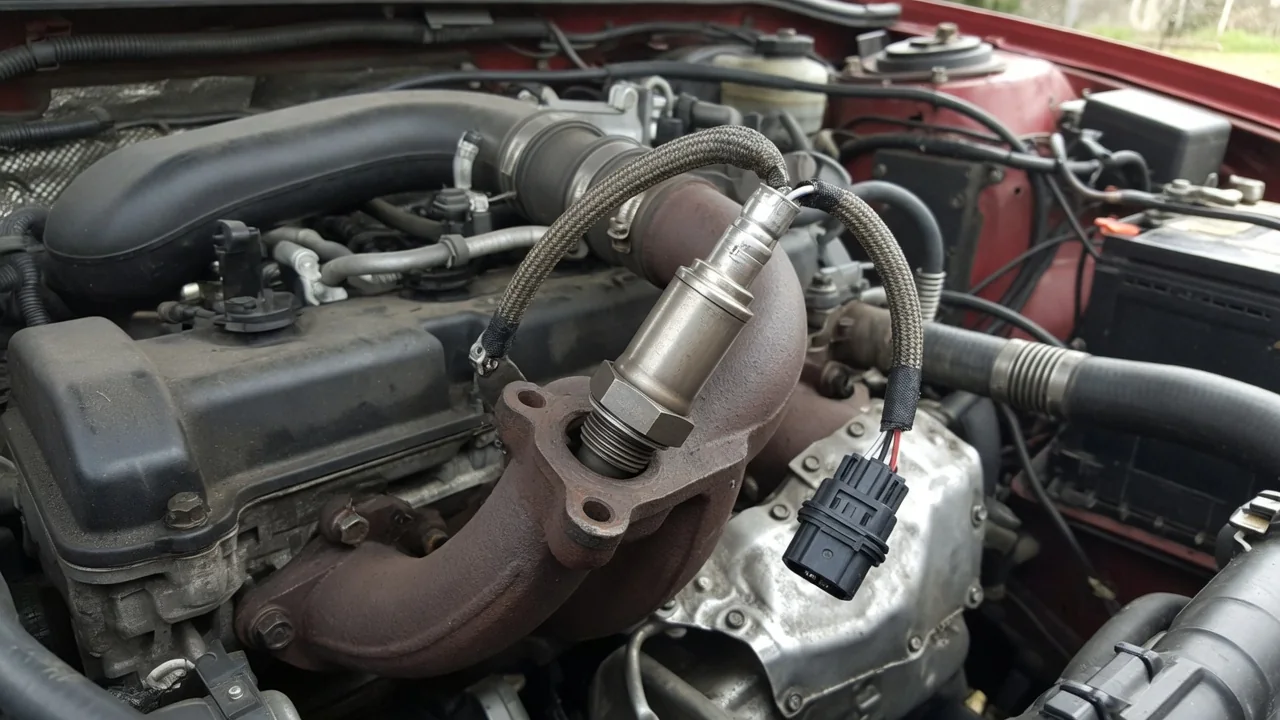
A P0133 code means the engine computer judged the upstream oxygen sensor on Bank 1 to be responding too slowly during a monitored test. The car may feel normal, but the code still affects how accurately the engine controls its air-fuel mixture. Below we cover what the code means, the symptoms that can come with it, the likely causes, and how testing finds the real fault.
What P0133 Means and Where Bank 1 Sensor 1 Is Located
P0133 generally describes a slow response in the oxygen sensor circuit for Bank 1 Sensor 1. Bank 1 is the side of the engine that contains cylinder number one. An inline engine has only one bank. Sensor 1 is the upstream oxygen sensor. It sits ahead of the catalytic converter, where it reads exhaust as it leaves the cylinders. Its exact location depends on the engine layout, the exhaust manifold design and whether the converter is mounted close to the engine.
Manufacturers word code descriptions differently. Some use narrowband sensors and others use wide-range air-fuel sensors. Check the vehicle's own code definition, sensor type and enabling criteria in the service information before judging any readings. The code means the powertrain control module saw the sensor's signal lag behind expected mixture changes while the monitor ran under specific conditions. That shows a response problem. It does not prove the sensor itself needs replacing.
Symptoms That May Accompany P0133
Many drivers first notice P0133 only as a lit check-engine light. The car usually starts, idles and accelerates about the same as before. That's because the engine can stay in closed-loop fuel control using a sluggish signal, and the module may compensate well enough that drivability seems unchanged. When P0133 symptoms do appear, they usually include lower fuel economy, a slightly uneven idle or mild hesitation. None of these is specific enough to point to a single cause.
Emissions can be abnormal even when the vehicle feels completely normal. A slow sensor lets the mixture drift further from its target before the module corrects it. For that reason, write down every symptom along with any other trouble codes. A misfire code, lean or rich code or heater circuit code stored with P0133 changes what the slow response likely means. A clear record also keeps a technician from chasing the wrong lead.
Conditions That Can Slow the Sensor's Reported Response
An aging or contaminated sensor element can react more slowly as the exhaust swings between rich and lean. Deposits from burning oil, coolant getting into the combustion chamber or incompatible sealants can coat the sensing surface. Wiring faults can cause a similar report. Chafed harnesses, corroded terminals, loose connectors or extra resistance in the circuit can distort the signal. The module may then see a lazy response even when the sensing element itself still works.
An exhaust leak near or ahead of the sensor can pull outside air into the exhaust. That dilutes the gas the sensor reads and skews its oxygen readings. Intake vacuum leaks and fuel-control problems, such as weak fuel delivery or faulty injectors, can also change how the mixture behaves. Treat them as contributors only when fuel trims or other test results support it. Deal with related heater, mixture or misfire codes first, because a cold sensor or an unstable mixture can trigger a slow-response result by itself.
Safe Observations to Make Before a Shop Visit
Before anyone clears the check-engine light, save all stored and pending codes along with the freeze-frame data. Clearing codes erases that snapshot of speed, temperature and load from the moment the fault set. Also note whether problems show up at startup, after the engine warms up, at idle or during ordinary cruising. Timing matters because oxygen sensor response time is judged mainly on a warm engine. A complaint that appears only when the engine is cold may point somewhere else.
With the engine off and fully cool, you can look at the wiring you can reach from above. You might spot an unplugged connector, melted insulation or a harness resting against a hot surface. Don't touch exhaust parts or go under the vehicle. Tell the shop about recent engine work, unusual oil or coolant use and any new ticking or puffing sounds from the exhaust. Keep in mind that looking at the parts can't tell you how fast the sensor responds or whether the circuit is intact.
How Professional Testing Identifies the Cause
A technician starts with the freeze-frame data and the vehicle-specific monitor conditions to see exactly when the code set. That includes engine temperature, load and whether closed-loop operation was active. With the engine warm, the technician compares sensor data and short- and long-term fuel trims against specifications for the installed sensor type. A single voltage reading or a generic switching rule can't diagnose every upstream sensor. Wide-range sensors report differently from traditional switching sensors, and manufacturers set their own thresholds.
Professional checks usually cover exhaust and intake leaks and connector condition, including corrosion and spread terminals. The technician also tests circuit integrity with the right meters and checks heater operation when the sensor design and stored codes make that relevant. Controlled response testing uses suitable equipment under safe conditions to show how quickly the sensor follows deliberate mixture changes. Comparing that behavior with fuel trims and other sensor data shows whether the sensor, its circuit or another engine-control problem caused the fault.
Driving Decisions and Confirming a Successful Repair
A steady check-engine light with normal driving calls for prompt diagnosis. The code alone can't tell you whether the vehicle is safe to keep driving. An unresolved mixture problem can raise emissions and fuel use and may stress the catalytic converter over time. Stop safely and get help if the light flashes, the engine shakes badly, you lose a lot of power or exhaust fumes enter the cabin. Those signs point to more urgent problems than a slow sensor.
Base repair decisions on confirmed findings. That might mean fixing wiring, sealing an exhaust or intake leak, correcting a mixture problem or replacing a sensor that testing proved faulty. Clearing the code by itself confirms nothing. Afterward, check the relevant monitor results, watch for returning codes and review live sensor behavior. Clearing codes also resets emissions readiness monitors, so complete the vehicle-specific drive cycle or verification procedure before an emissions inspection.