P0131 Code: O2 Sensor Low Voltage Bank 1 Sensor 1
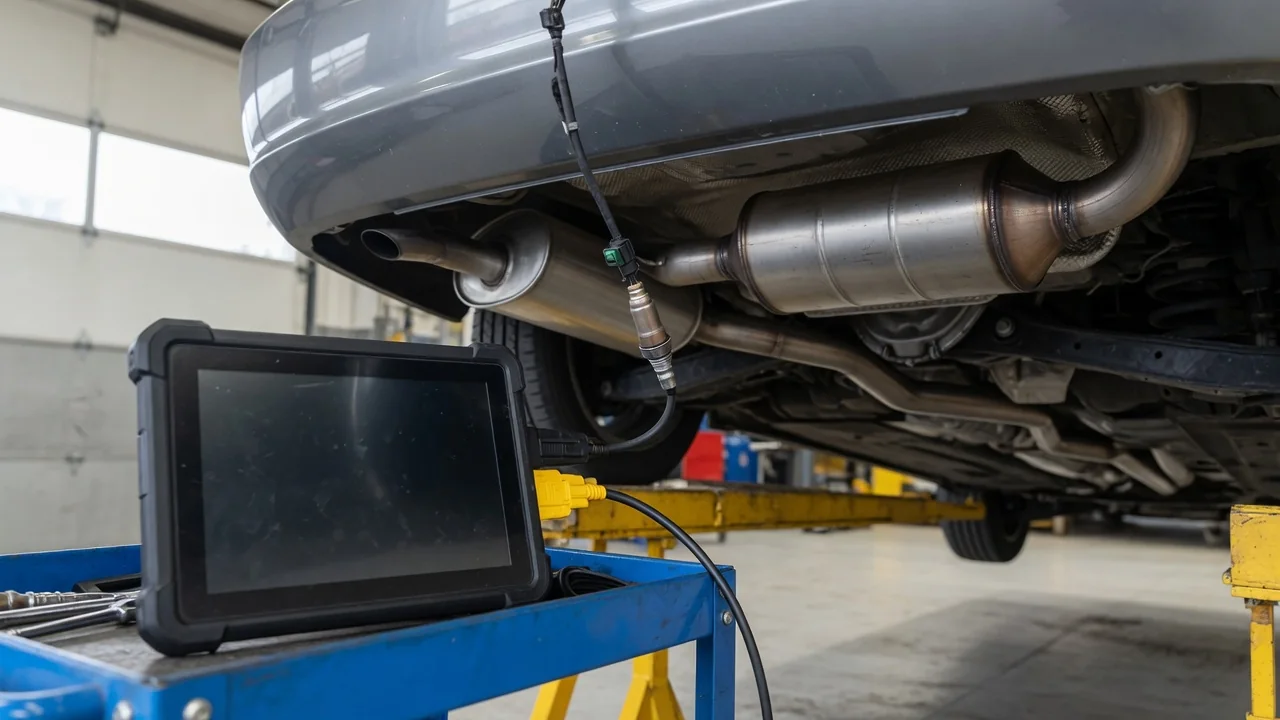
A P0131 code means the engine computer saw a low signal from the upstream oxygen sensor on Bank 1. The code doesn't prove the sensor has failed, and P0131 symptoms can range from nothing noticeable to rough running. Knowing what the code measures, what can cause a low reading and how technicians test for it helps you make better decisions about driving and repairs.
What P0131 Means for Bank 1 Sensor 1
P0131 is generally defined as oxygen sensor circuit low voltage at Bank 1 Sensor 1. The engine control module watched the sensor's output and found it lower than expected for the operating conditions it was monitoring. That describes a detected signal condition, not a confirmed failed part. A low signal voltage can come from a sensor correctly reporting a lean exhaust condition, from a fault in the oxygen sensor circuit, or from a sensor that no longer responds properly to changes in exhaust oxygen.
Bank 1 is the side of the engine that contains cylinder 1. Inline engines have only one bank. Sensor 1 is the upstream oxygen sensor, located ahead of the catalytic converter. Physical locations vary, so confirm yours with vehicle-specific information. Service information also tells you whether the engine uses a conventional sensor or a wide-range air-fuel sensor, how its signal should be read and what conditions set the code. Without those details, readings are easy to misread, and the code by itself can't show whether the sensor, its circuit or the engine is responsible.
Symptoms That May Accompany P0131
The most common sign is an illuminated check engine light. Many drivers notice nothing else, because the engine may keep running with little obvious change while the module records the fault. When the underlying cause does affect combustion or fuel control, some owners report a rough idle, hesitation when pulling away, reduced power or higher fuel consumption. None of these is guaranteed. A vehicle with this code may show one, several or none of them, depending on what is actually causing the low reading.
These symptoms are nonspecific. Hesitation or a rough idle can also come from misfires, vacuum leaks, fuel delivery faults or unrelated sensor problems, so they need supporting diagnostic evidence before they point anywhere. Still, a good record helps a technician reproduce the problem. Note whether it happens cold or fully warm, at idle, while cruising or under acceleration, and whether it comes and goes. Intermittent behavior, especially behavior linked to bumps, rain or temperature, can be an important clue about wiring or connections.
Conditions That Can Produce a Low Sensor Signal
A worn or contaminated sensor may produce a weak signal or respond slowly, which the module can read as persistently low. Sensor wiring matters just as much. A harness routed near hot exhaust can chafe or melt, connector pins can corrode, and a damaged wire can short or lose its reference. How the circuit behaves under each type of fault depends on vehicle design, which is one reason manufacturer diagnostic information is needed to interpret what the signal is really showing.
The sensor may also be telling the truth. Unmetered air entering after the airflow sensor, through a cracked intake duct or leaking vacuum hose, can create a genuinely lean exhaust condition. So can weak fuel delivery, such as low fuel pressure or restricted injectors. An exhaust leak ahead of the sensor can let outside oxygen in and skew its reading. Misfires complicate things further: unburned oxygen passes into the exhaust, the sensor reads lean and fuel trim may add fuel even though combustion is the real problem.
Safe Observations Before a Shop Visit
Before clearing anything, have all stored and pending codes read and saved, along with any available freeze-frame data. Freeze frame captures conditions such as engine speed, load, coolant temperature and fuel trim at the moment the code set. That information is very useful and disappears when codes are cleared. Also write down recent repairs, recent refueling and what you were doing when the warning appeared. Timing is a useful lead but not proof. A light that comes on right after a repair or fill-up may still be a coincidence.
Keep any visual checks to easy-to-reach areas, with the engine off and fully cooled down. You might spot an intake duct that has slipped off its clamp between the air filter housing and throttle body, a vacuum hose that is visibly disconnected, or sensor wiring that is plainly melted, torn or unplugged. Record what you see instead of trying to fix it. Don't touch hot exhaust parts, reach near fans or belts, probe connectors with meter leads, or crawl under a vehicle that isn't properly supported.
How Professional Testing Narrows the Cause
A technician starts by reviewing companion codes, such as misfire, lean-condition or airflow sensor codes, together with the freeze-frame information. The manufacturer's diagnostic procedure then guides the test plan. Next they look at live sensor data and short-term and long-term fuel trim under conditions that match when the code set, comparing the results with specifications for that engine instead of a universal voltage threshold. Positive fuel trims alongside a low signal, for example, suggest the engine is compensating for a real lean condition rather than a false reading.
When the evidence points that way, the technician checks for intake leaks, often with a smoke test, and for exhaust leaks upstream of the sensor. They may also test fuel pressure and delivery or track down misfires. Before replacing anything, they check circuit integrity and connector condition and make sure the sensor responds quickly to deliberate mixture changes. After the repair, they confirm the fix by operating the vehicle under the conditions that originally set the code and watching for pending codes or returning faults.
Driving Decisions and When to Seek Help
Whether it's reasonable to keep driving depends on how the vehicle behaves and whether other warnings are on. P0131 by itself can't tell you how far you can safely go. If the check engine light is flashing, that usually signals active misfiring that can overheat the catalytic converter. In that case, or if you notice severe shaking, stalling or a substantial loss of power, stop somewhere safe and arrange assistance instead of pushing on to your destination.
If the light is steady and the vehicle drives normally, schedule a diagnosis soon and follow the guidance in your owner's manual. An unresolved lean condition or sensor fault can hurt fuel economy and emissions over time. Clearing the code with a scan tool doesn't repair its cause. It also erases freeze-frame data, resets emissions readiness monitors and can make the fault harder to trace when it returns, so leave stored information in place until a qualified technician has reviewed it.