P0128 Code Explained: Coolant Temperature Below Thermostat Regulating Range
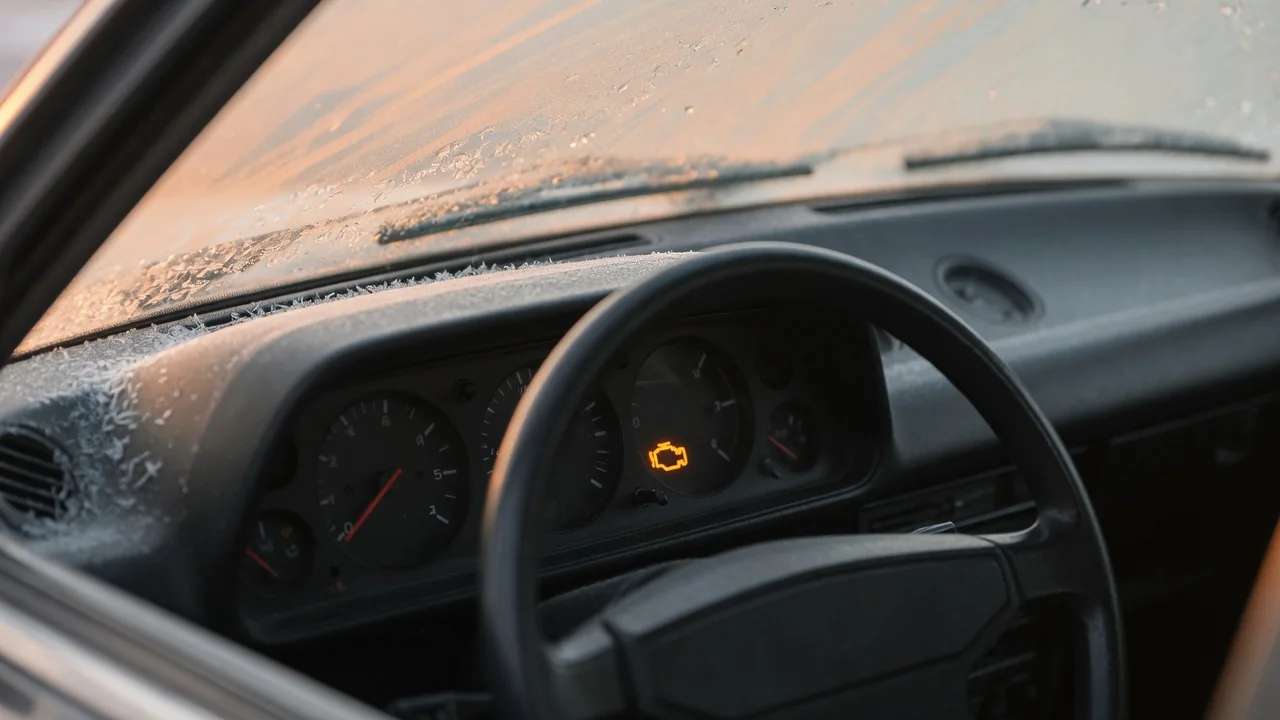
When a check engine light turns out to be P0128, the engine computer is reporting that the coolant never got as warm as expected during normal driving. You can usually drive for a short time with this code, but it rarely goes away on its own. If you know how the code sets, what causes it and how to confirm the fault, you can avoid buying parts you don't need.
What P0128 means and how the engine computer decides to set it
P0128 is a generic OBD-II powertrain code, so its basic meaning is the same across makes: coolant temperature stayed below the thermostat regulating temperature the engine computer expected. The computer doesn't just read a thermometer and wait. It tracks how long the engine has run and how much fuel or airflow it has used, then expects the coolant to reach a target temperature within that amount of work. If the coolant falls short, the code is stored.
Each manufacturer sets its own threshold temperature, time window and enabling conditions. The service information for your specific vehicle is the only reliable guide to how the test works. Treat the code as a report of slow warm-up, not as proof that a particular part has failed. It also appears more often in cold weather and on short trips, because cold air and brief drives make it easier for a weak cooling system to miss the target.
Symptoms drivers notice alongside the check engine light
The clearest sign is a temperature gauge that sits lower than usual or takes an unusually long time to climb. Highway driving in cold weather often makes this worse, because steady airflow through the radiator removes heat quickly. Cabin heat is another clue. The heater core depends on hot coolant, so lukewarm air from the vents, or heat that fades at speed, is a common complaint that points to the same warm-up problem.
Fuel economy may drop, and the engine can feel slightly rough or run rich, because the computer keeps adding the extra fuel a cold engine needs. On some vehicles the warning light is the only symptom, so a car that drives normally can still have a real fault. Keep track of when symptoms show up, including the outside temperature and trip length. Those notes become valuable later when you narrow down the cause.
Why a thermostat stuck open is the most common cause
The thermostat is a temperature-sensitive valve between the engine and the radiator. It stays closed until the coolant reaches its rated opening point, which lets the engine warm quickly. Then it opens to send coolant through the radiator and keep the temperature steady. When it sticks partly or fully open, coolant flows through the radiator from the moment the engine starts. The engine loses heat it should keep, so it either never reaches its regulating temperature or can't hold it.
Thermostats can stick open because of age, a weakened spring, debris caught in the valve, or a unit that wasn't seated properly during earlier work. A thermostat with the wrong temperature rating, installed in a previous repair, can set the same code even though nothing is broken. Still, don't assume the thermostat is the problem until you've watched how the engine actually warms up. A new thermostat won't fix a sensor, coolant or fan problem.
Other causes: coolant temperature sensor, low coolant and cooling fan faults
For this test, the engine coolant temperature sensor is the computer's only measure of engine heat, so an inaccurate reading can set the code on an engine that is warming normally. A sensor with high internal resistance, for example, may report a lower temperature than the real one. Check the wiring and connector before you blame the sensor. Corrosion, a loose terminal or damaged insulation can distort the signal just as easily, and a new sensor won't fix a wiring fault.
Low coolant or trapped air can leave the sensor sitting in an air pocket or in cooler fluid, so it never reads the true engine temperature. A cooling fan that runs all the time, often because of a stuck relay, can overcool the radiator and slow warm-up, especially in cold weather. Some engines have more than one temperature sensor, so confirm which one the computer uses for this code before you test or replace anything.
What happens if you ignore P0128
An engine that keeps running cold uses more fuel than it should and may produce higher emissions, because the computer stays in warm-up enrichment longer than intended. The engine oil suffers too. At normal operating temperature, the engine burns off moisture and unburned fuel that collect in the crankcase. When the engine never gets hot enough, those contaminants stay in the oil, which can lead to sludge and faster wear over months of driving.
A stored code will usually cause a failed emissions inspection where inspections are required, so the problem can become a registration issue as well as a mechanical one. More importantly, if the real cause is low coolant or a faulty sensor, that same fault could hide an actual overheating event. P0128 usually isn't a warning to stop driving right away, but you should fix it soon rather than clear the code and ignore it.
How to confirm the cause before buying parts
Start with a scan tool that shows live data, and watch the coolant temperature from a true cold start through a normal drive. Compare the readings with the regulating range in the manufacturer's service information. If the temperature climbs slowly and levels off well below that range, the thermostat is the most likely cause. If the scan tool reading doesn't match a separate check of engine temperature, the sensor or its wiring is the more likely problem.
Owners can safely check a few things. Check the coolant level in the reservoir only when the engine is completely cold, and note whether the cooling fan starts running right after a cold start. It's also worth asking whether any technical service bulletins or software updates apply, since manufacturers fix some warm-up complaints that way. Leave sensor circuit testing, pressure testing and any work involving hot coolant or a pressurized system to a qualified technician.