P0127 Code: Intake Air Temperature Too High
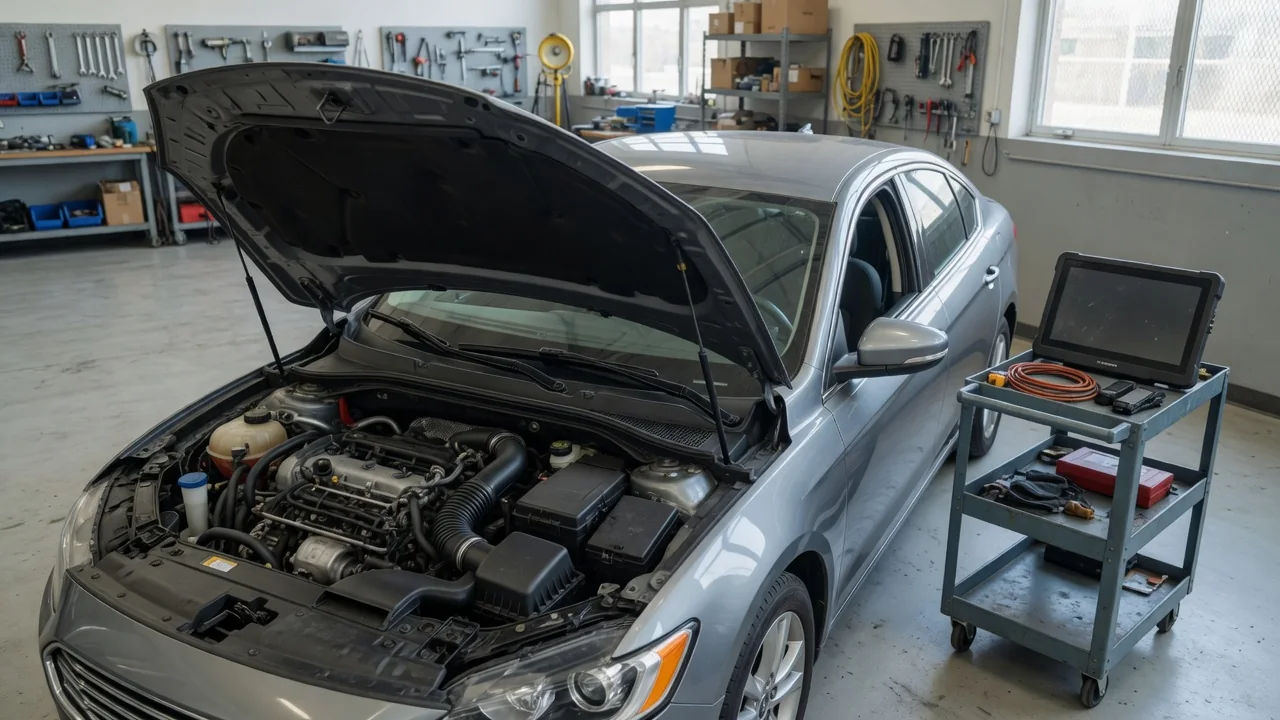
P0127 generally points to an intake air temperature reading the engine control module considers too high. The p0127 code is a recorded condition, not a diagnosis of a failed IAT sensor, heat soak, or wiring. Confirm the vehicle-specific definition before acting. Symptoms may be mild or absent, yet freeze-frame data and live temperature data still help separate real heat from a misleading signal.
What P0127 Means on Your Vehicle
On many vehicles, P0127 means the engine control module has detected an intake air temperature that is higher than the range it expects for the current operating conditions. That description is only a starting point. Sensor arrangement, circuit type, and the exact setting criteria vary by manufacturer, so the service information for the specific vehicle should confirm what the p0127 code actually monitors before anyone interprets the fault. Some engines use a dedicated IAT sensor in the intake duct; others combine it with mass airflow sensing.
A stored P0127 records a detected condition. It does not establish that the IAT sensor, the intake duct, or the sensor wiring has failed and needs replacement. A temperature-too-high description also does not automatically indicate a high-voltage circuit fault. Depending on how the circuit is designed, a high indicated temperature can come from a genuine heat-soak event, from air that is actually hotter than expected, or from a signal that no longer tracks real air temperature. Treat the code as evidence to interpret, not as proof of a failed part.
Symptoms and Conditions Worth Recording
An illuminated check engine light is often the first sign of a p0127 code, and some drivers also notice reduced engine response, hesitant throttle, or a change in idle quality. Others feel nothing at all, because the module may only log the condition without changing how the engine drives. Those observations are worth writing down, but they cannot confirm an intake temperature sensor failure. Similar drivability complaints appear with airflow, fuel, or ignition problems, and a healthy IAT sensor can still report a high temperature when the air entering the engine really is hot.
Note when the code appeared. A hot restart after a short stop, extended idling in traffic, or recent work on the intake duct can change the temperature the sensor sees, and that context helps later diagnosis. If an overheating warning, smoke, a burning smell, or severe power loss accompanies P0127, stop safely and seek assistance. Those signs point beyond a simple temperature reading. Mild or absent symptoms do not make the stored condition unimportant; they only mean the vehicle may still be drivable until it can be checked.
How Heat and Signal Faults Can Set the Code
Heat soak is heat that builds around intake components during operation and after shutdown, especially near the exhaust manifold or a tightly packed engine bay. After a hot restart, the IAT sensor can briefly see air much warmer than outside temperature. Ordinary heat soak by itself does not prove a fault, because many strategies expect a short rise and then a decline as cooler air moves through the intake duct. Persistent high readings after that recovery window, or during a highway pull of cooler air, deserve a closer look.
An intake duct that is cracked, loose, missing a shield, or rerouted after accessory work can pull engine-bay heat into the measured airstream without any sensor failure. Sensor faults, connector damage, or problems in the sensor wiring may also produce a misleading temperature signal; the effect depends on circuit design. Possible causes stay conditional. Replacing the IAT sensor is not the default solution, and the same p0127 code can appear when the air is genuinely hot or when the signal is simply wrong.
Safe Observations Before a Repair Visit
Before clearing anything, save stored codes and any available freeze-frame data. Those snapshots preserve engine speed, load, coolant temperature, and the intake air temperature the module saw when P0127 set, which is far more useful than a later guess about whether the event happened at idle or under load. With the engine off and cool, a visual check of accessible intake ducting and connector exteriors can show obvious displacement, crushed tubing, missing clamps, or heat damage. Do not probe terminals, unplug connectors for testing, or work near hot or moving parts.
If a scan tool is available, live temperature data after an extended cool-down can provide context. Compare the IAT sensor reading with ambient conditions, remembering that sunlight on a dark intake duct, residual underhood heat, and the sensor location can all keep the indicated temperature above the air outside the vehicle. There is no universal cutoff that proves the sensor is good or bad. Leave inaccessible ducting, buried connectors, and any circuit measurements to a technician. Owner checks stop at what can be seen safely with the engine off.
When Professional Testing Is Needed
Professional diagnosis is the next step when P0127 returns after a cool-down, when live temperature data looks implausible compared with conditions, when visible intake or connector damage is present, or when drivability symptoms persist. A technician can apply the vehicle-specific temperature criteria, circuit tests, and intake airflow and heat-exposure checks that owner observations cannot complete. That work may include confirming sensor location, inspecting the full intake duct path, and evaluating whether engine-bay heat is reaching air that should stay cooler.
Related codes and freeze-frame conditions should guide testing without assuming they share the same underlying fault. A companion airflow, coolant-temperature, or circuit code can change the order of checks, but each remains a separate recorded condition. Repair confirmation means watching for plausible intake air temperature behavior and verifying that the p0127 code does not return under the conditions that previously set it, rather than relying solely on clearing the check engine light. A light that stays off after a short trip is not the same as a confirmed repair.