P0118 Code: Coolant Temperature Circuit High Input
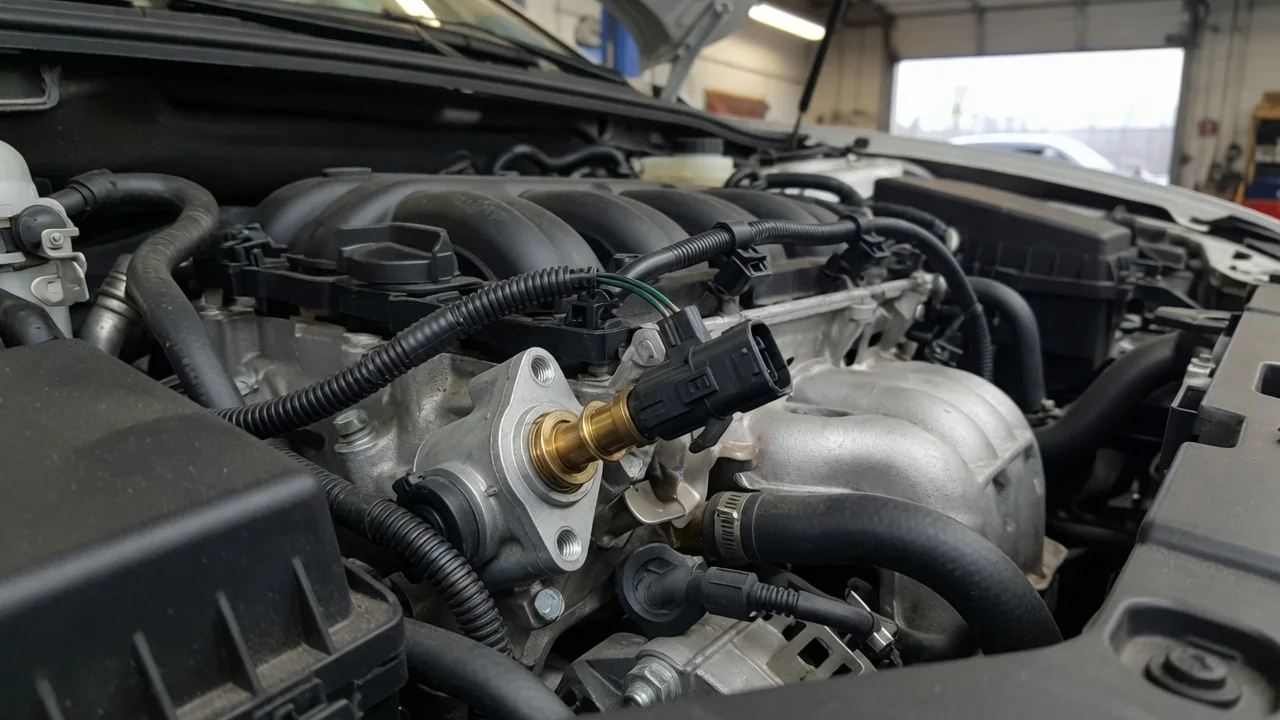
A P0118 code means the engine control module saw a coolant temperature signal above its expected range. That sounds like overheating, but the code describes an electrical condition on the sensor circuit, not a measured coolant temperature. Knowing what the code means, which P0118 symptoms may appear and how scan data guides testing helps you avoid replacing parts on a guess.
What P0118 Means for the Coolant Temperature Signal
P0118 is defined as engine coolant temperature sensor circuit high input. The ECT sensor is typically a thermistor, a sensor whose resistance changes with coolant temperature. The control module reads that change as a signal voltage. When the ECT signal voltage stays above the range the module expects from a valid reading and the setting conditions are met, the module stores the code. The code reports an electrical problem on the circuit. It does not confirm that the sensor itself has failed.
A high input does not mean the coolant is hot. In many common circuit designs, the sensor's resistance falls as the engine warms, so a very high voltage stands for an extremely cold reading. An open circuit can make a warm engine look frozen in the live data. Circuit designs, reference voltages and setting conditions differ between vehicles. Check the vehicle-specific service information for the sensor, the wiring layout and the diagnostic procedure before interpreting any test result.
Symptoms That May Accompany P0118
An illuminated check engine light often comes with the stored code. Beyond that, the effects vary. If the module believes the engine is very cold, it may add extra fuel. That can lead to hard starting when the engine is warm, rough running, a fuel smell from the exhaust or higher fuel use. Some systems switch to a default temperature value once they detect the fault, which can soften or change these effects. Not every vehicle shows every symptom.
Cooling fan behavior and the dashboard temperature gauge may also change, depending on how the vehicle's control system and sensors are arranged. Some vehicles run the fans continuously as a protective fallback. Others use a separate sensor for the gauge, so the display looks normal while the engine computer sees an impossible value. Some vehicles show little change beyond the warning light. Symptoms alone cannot prove the sensor has failed. A broken wire, a loose connector or an unrelated fault can cause the same behavior.
Sensor and Wiring Faults That Can Trigger High Input
In circuit designs where the module supplies a reference voltage through an internal resistor and the sensor pulls it down toward ground, anything that interrupts current flow pushes the signal high. A sensor with an internal open circuit does this. So does excessive resistance anywhere along the path, such as a partly broken wire inside the harness. The signal then sits near the reference voltage, and the module reads it as an implausibly cold engine or a circuit failure.
Connection problems are also possible causes, but each has to be confirmed. They include a sensor connector left unplugged after other work, corroded or loose terminals, wiring damaged near hot or moving parts, and a broken sensor ground. A short to voltage, where the signal wire touches another powered circuit, can also drive the signal high. A fault in the control module itself is another possibility. None of these should be blamed without circuit testing, and the module should be suspected only after the sensor and wiring test good.
How P0118 Diagnosis Starts With Scan Data
Diagnosis starts by recording every stored and pending code, along with the freeze-frame data, before clearing anything. Freeze-frame data captures conditions such as the reported coolant temperature, engine speed and load at the moment the code was set. It can show whether the fault happened during a cold start, while driving or only briefly. Clearing the codes first erases that snapshot and can make an intermittent open circuit much harder to trace later.
Next, compare the live coolant temperature reading with the engine's actual condition. After the engine has sat cold for a long time, the ECT reading should be close to the surrounding air temperature. A reading far colder than that supports a high-input circuit fault. With the engine off and cool, you can look over the connectors and wiring you can reach, keeping hands and tools away from electric fans that may start without warning. A technician then uses the correct wiring diagram and the specified electrical tests to pin down the fault in the sensor, ground, connector or harness.
When to Stop Driving and Arrange Testing
A P0118 code alone cannot tell you whether it is safe to keep driving or whether the engine is actually overheating. If the coolant temperature signal is wrong, the engine computer, and any gauge fed by the same sensor, may be working from bad information. You cannot fully trust the temperature display, so arrange diagnosis promptly rather than waiting to see whether the warning light goes out on its own.
Pull over safely and shut the engine off if an overheating warning appears, steam rises from under the hood, coolant is leaking noticeably or the engine runs very rough or stalls. Never open the radiator cap or coolant reservoir on a hot system, because pressurized coolant can cause serious burns. Avoid touching the exhaust or other hot engine parts. If you are unsure of the vehicle's condition, having it towed to a qualified shop is safer than risking engine damage from overheating you cannot detect.
Repairing the Confirmed Fault and Checking the Result
The repair should match what testing proves. That could mean fixing a damaged section of wiring, repairing a corroded sensor connector, restoring a broken ground or replacing a sensor that tests have shown is faulty. Replacing the sensor can involve draining or handling coolant. Some engines also need a vehicle-specific procedure for refilling and bleeding air from the cooling system. In those cases a qualified technician should do the work, because trapped air can cause real overheating or erratic temperature readings.
After the repair, confirm that the live coolant temperature reading makes sense from a cold start up to normal operating temperature. Then check for returning codes using the vehicle's verification procedure. Clearing the P0118 code only turns off the light. It does not fix an open circuit or a failing sensor. If the code keeps coming back intermittently, the fault may be in a spot that only opens up with heat or vibration. That calls for more testing of the harness and connections rather than another new part.