P0107 Code: MAP Sensor Circuit Low Input, Symptoms, and Diagnosis
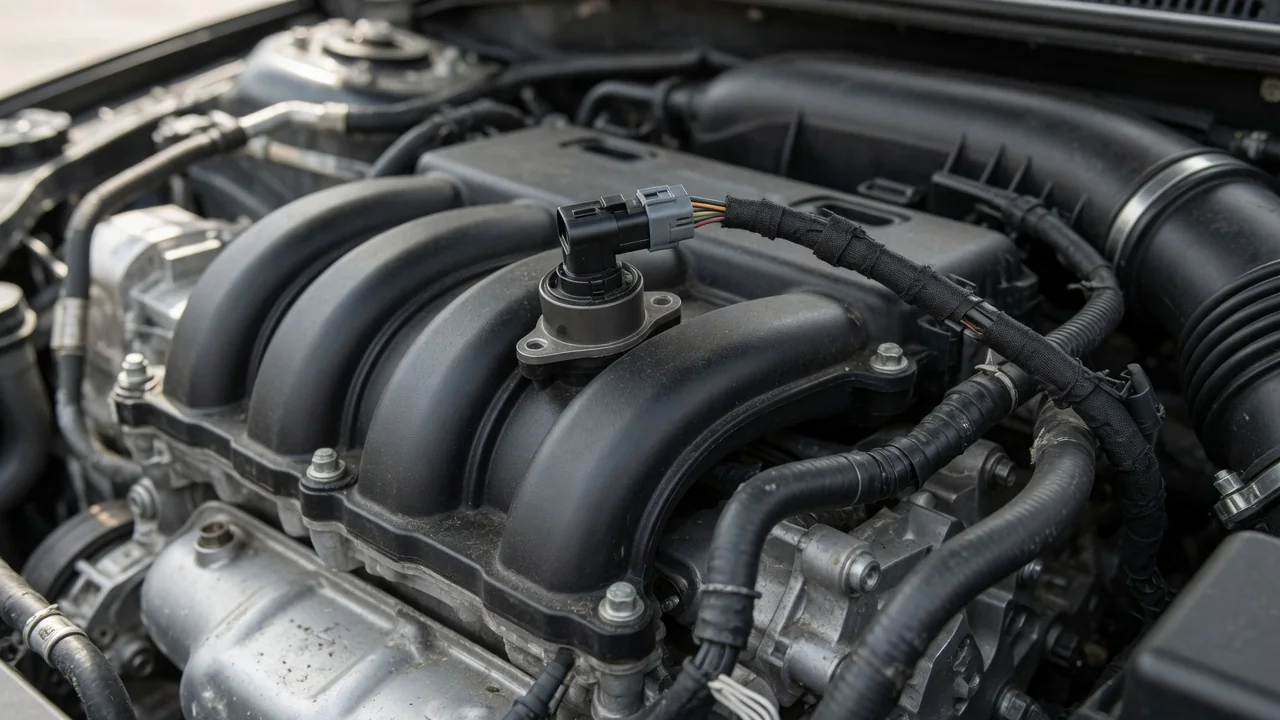
A P0107 code means the powertrain control module has detected a manifold absolute pressure or barometric pressure circuit low input. That electrical finding is a starting point, not a parts list. Low signal voltage can come from wiring, connectors, a sensor, or related supply problems, and the same P0107 code can appear with strong symptoms or almost none. Confirm the vehicle-specific description before you interpret any test result.
What P0107 Means and What the Code Does Not Prove
On many vehicles, P0107 is the generic description for a manifold absolute pressure or barometric pressure circuit low input. The module is reporting that the monitored electrical signal fell below the range it expects for that circuit, not that it has measured a particular vacuum or altitude value. Service information still has to be checked first, because the exact wording, sensor arrangement, and diagnostic criteria vary by manufacturer and model year. Some layouts use a dedicated MAP sensor while others combine those functions, and enable conditions are not interchangeable.
Low input here means the signal voltage presented to the control module is below the expected electrical range. That finding is not the same as proving the engine has low manifold pressure, and it does not prove the MAP sensor has failed. A P0107 code identifies a monitored circuit condition. Wiring, sensor ground, reference voltage, and the sensor element can all produce a similar result, so the stored number alone does not justify replacement. Confirm that vehicle's circuit and set criteria before condemning a part.
Symptoms and When to Stop Driving
A P0107 code often turns on the check engine light, and the engine may idle roughly, hesitate, lose power, start hard, or stall. Those complaints are possible, not guaranteed, and some vehicles show little more than a stored code and a lamp. Symptom severity also cannot identify the failed component. A wiring-harness problem, connector corrosion, or an internal sensor fault can produce similar drivability, so the way the vehicle feels is useful context rather than a diagnosis. Record when the complaint appears to help interpret freeze-frame data later.
If the engine stalls repeatedly or power loss makes the vehicle hard to control in traffic, stop in a safe place and arrange assistance rather than continuing to drive. A flashing check engine light or severe shaking is a separate warning that something more than a quiet circuit fault may be present, including misfire or another related problem that needs prompt attention. Those conditions still do not name the failed part, but they do change the urgency. Mild hesitation with a steady lamp can wait for planned diagnosis; unsafe operation should not.
Electrical Faults That Can Trigger a Low Signal
A signal wire shorted to ground can pull reported voltage down and set a low-input condition, because the module is reading the electrical path rather than true manifold absolute pressure. Connector damage, connector corrosion, loose terminals, and wiring-harness chafe can do the same if they interrupt the signal, leak it to ground, or add resistance that drops the reading. The effect depends on circuit layout, so the same visual fault is not equally important on every vehicle. Treat those issues as possible causes, not automatic proof of the failure.
Reference voltage and sensor ground faults also need evaluation with the vehicle's wiring diagram, including any shared circuits that feed other sensors. A missing reference supply, a poor ground, or a short that loads a common reference can make the MAP or barometric pressure reading look low even when the sensing element is intact. Internal sensor failure remains possible and should not be ignored, but it should not be assumed either. Until those supply and ground paths are checked by the published procedure, a low signal voltage is still only a circuit result.
Safe Checks Before Clearing the P0107 Code
Before clearing anything, record all stored and pending codes, freeze-frame data, and the conditions when symptoms occurred. That snapshot is often the only record of engine load, temperature, and operating state at the moment P0107 set, and it disappears if the memory is erased too soon. With the engine off, inspect accessible wiring and connectors for obvious damage, keeping clear of hot parts and components that may move unexpectedly if the engine is started later. Look for crushed loom, backed-out pins, moisture, and corrosion rather than guessing at hidden faults.
Recent engine work or a disturbed wiring harness can explain why a previously stable circuit now reports low signal voltage, but recent work does not prove causation by itself. A connector that was unplugged for intake service, a clamp that pinched a loom, or a ground that was moved can all be relevant clues. Home inspection should stay visual and non-invasive. Do not probe terminals, jump wires, or unplug components while the engine is running, because those actions can damage pins, create new shorts, or cause unexpected engine behavior.
How Professional Testing Identifies the Fault
A technician compares scan tool live data for reported manifold or barometric pressure against the values expected for that vehicle and the current operating conditions. Key-on engine-off readings, idle, and loaded running states are not interchangeable, so the comparison has to follow the service procedure rather than a generic chart. The same visit includes professional checks of signal voltage, reference supply, ground integrity, and wiring continuity or shorts using the correct tools and pin assignments. Those electrical measurements are what separate a true low pressure situation from a circuit that simply cannot report correctly.
A low scan-tool reading by itself cannot distinguish a failed sensor from a wiring or supply problem, because the displayed pressure is derived from the same low signal voltage the code already reported. Related codes and shared reference circuits need review when they are present, since one damaged supply can take down more than the MAP circuit. Control-module failure should stay last on the list until the sensor, harness, grounds, and power feeds have been tested as specified. Manufacturer-dependent definitions still need vehicle-specific confirmation before results condemn a part.
Repairing the Confirmed Cause and Checking the Result
Repairs should follow the test findings. Damaged wiring or terminals may need repair or connector service, while a sensor that has failed its specified checks may need replacement. Parts information for that vehicle has to confirm the correct sensor application; a similar-looking unit is not automatically the right one. Clearing the P0107 code or disconnecting the battery does not correct an underlying short, open, or failed component. The code can go dormant after a reset and return as soon as the monitor runs again if the circuit is still wrong.
After the confirmed cause is repaired, confirm that scan tool live data and engine operation look normal for the conditions being tested, then watch for returning or pending codes under safe driving or prescribed verification steps. A one-time key cycle is not enough if the original fault was intermittent. If P0107 returns, or if related codes remain, further diagnosis is needed rather than repeating the same replacement. Intermittent opens, heat-sensitive connections, and shared-circuit problems often appear after the first repair and still require evidence rather than another guess.