P0106 Code: MAP Sensor Symptoms, Causes, and Diagnostic Checks
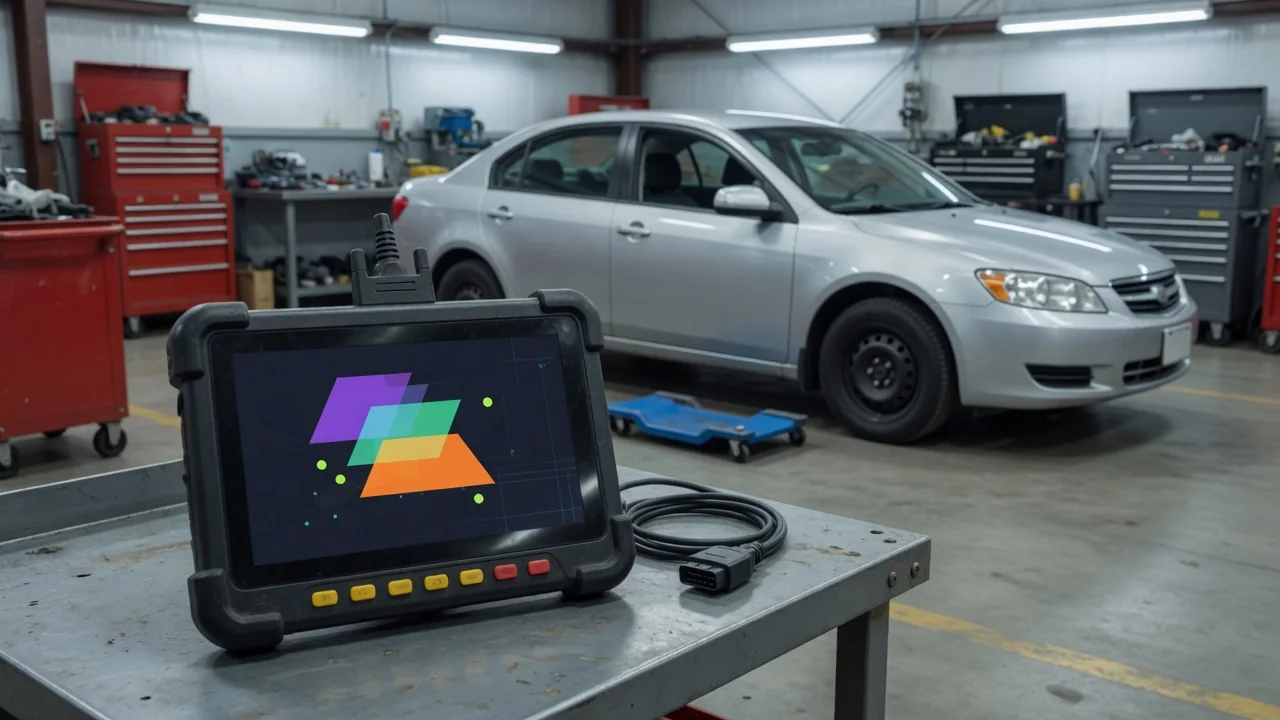
A P0106 code means the engine computer doubts the pressure information it receives from the intake manifold. The engine uses that reading to estimate load, fuel delivery, and ignition timing, so a signal that doesn't make sense can change how the vehicle runs. It helps to know what the code actually reports, what can cause it, and how careful checks narrow the possibilities. That way you avoid replacing parts on a guess.
What the P0106 Code Means
In its generic form, P0106 is described as manifold absolute pressure/barometric pressure circuit range/performance. The MAP sensor measures pressure inside the intake manifold. That pressure changes as the throttle opens and closes and as engine load rises or falls. On a naturally aspirated engine, strong intake vacuum at idle means low absolute pressure. Under hard acceleration, manifold pressure climbs toward atmospheric. The engine control module uses this reading, often together with engine speed and throttle position, to estimate how much air the engine is taking in and to calculate fuel and timing.
A range/performance fault means the module saw a pressure signal that didn't make sense under the conditions it was monitoring. The reading might have failed to change as expected, or it might have disagreed with other inputs. This is different from a signal that is simply missing or shorted, which is usually reported another way. The code alone does not prove the sensor has failed. Before you interpret any reading, check service information for the specific vehicle to confirm the exact code description, whether there is a separate barometric sensor, and the diagnostic criteria.
Symptoms That Can Accompany P0106
The most common sign is a lit check engine light. How much else you notice depends on how far off the pressure signal is and how the engine management responds. Drivers may notice a rough or unstable idle, hesitation when pulling away, stalling at stops, reduced power, or higher fuel use. Some vehicles run with little noticeable change. Others switch to substitute values that change how the vehicle drives. None of these symptoms confirms a MAP sensor failure, because vacuum leaks, misfires, and fuel delivery problems can cause very similar complaints.
Note when problems appear: during a cold start, at idle, under acceleration, or only after recent intake, air filter, or engine work. That pattern gives a technician useful context. Stop driving and arrange assistance if the engine stalls repeatedly or loses so much power that merging or keeping up with traffic becomes unsafe. The same applies if the check engine light flashes, which can signal a misfire that may damage the catalytic converter. In any of these cases, pull over where it is safe instead of continuing.
Faults That Can Disrupt Manifold Pressure Readings
Air leaking into the intake manifold changes the pressure the sensor sees. A cracked vacuum hose, a loose connection, or a leaking gasket downstream of the throttle can push idle pressure above what the module expects for the current throttle position and engine speed. On some engines, the MAP sensor reads manifold pressure through a separate hose. There, a cracked, kinked, or collapsed line can distort the reading directly. Many sensors mount directly on the intake manifold, though, so not every vehicle has a sensor hose to inspect.
The sensor itself may report an offset value or respond slowly. A pressure port partly blocked by carbon or oil residue can also delay its response, and damaged wiring, corroded terminals, or a loose connector can distort the signal. Engine problems matter too. A misfire, incorrect valve timing, or a restricted exhaust can produce readings that look wrong to the module even when the sensor is accurate. Treat each of these as a possibility to test. Let other stored codes and recent repair history guide where to look first, but don't assume any fixed order of likelihood.
A Safe Initial Diagnostic Sequence for P0106
Start by using a scan tool to record every stored and pending code, along with the freeze-frame data captured when P0106 set. Freeze-frame values such as engine speed, load, coolant temperature, and vehicle speed show the conditions at the moment of the fault. Clearing codes first erases that evidence. Write down any other codes too, because a misfire, throttle, or airflow fault stored at the same time can change how you should read the P0106.
With the engine off and cool, look over the intake hoses, vacuum lines, and connections you can reach for obvious cracks, disconnections, or damage. Then look at the MAP sensor connector and any reachable wiring for broken locks, chafed insulation, oil, or corrosion. Don't probe terminals or unplug components you aren't familiar with. Don't spray flammable products to hunt for leaks, and stay away from belts and fans while the engine runs. Record what you find, then use service information for the specific vehicle to choose the next test.
What Scan Data and Professional Tests Can Establish
With the key on and the engine off, the manifold sits at atmospheric pressure, so the MAP reading should be believable for local barometric pressure. Altitude matters, because atmospheric pressure is lower in the mountains than at sea level. Scan tools may also show the value in different units. A technician compares the reading with the vehicle's specification and, if the vehicle has one, a separate barometric reading. With the engine running, they confirm that pressure drops at idle and rises smoothly as the throttle opens.
How the reading responds matters as much as any single value. A technician compares pressure with engine speed, throttle position, and other data, because one snapshot or a generic threshold from the internet can't establish sensor failure. When the data points elsewhere, professional smoke testing can find intake leaks. Electrical testing can check the sensor circuit's power supply, ground, and signal. Mechanical checks, such as compression or exhaust restriction testing, can reveal engine problems that change manifold pressure.
Confirming the Repair and Handling a Returning Code
Base repair decisions on test results. If the evidence points to a cracked hose, a loose connection, a damaged circuit, a faulty sensor, or an engine mechanical problem, fix that item. Clearing the code with a scan tool or disconnecting the battery only erases stored information and resets readiness monitors. It doesn't prove anything was fixed, and it removes data that would help if the problem returns. On some vehicles, disconnecting the battery can also reset learned idle settings and other adaptations.
Once the vehicle is safe to drive, confirm the repair through normal driving. Check that the original symptoms are gone. After the car has seen enough driving conditions for the monitor to run, rescan for returning or pending codes. If P0106 comes back, review the freeze-frame data, your notes, and any tests that were skipped or left unfinished before replacing another part. A returning code often means the first repair treated a symptom rather than the real cause of the bad pressure reading.