P0105 and P0109 Codes: MAP Circuit Faults and Diagnostic Checks
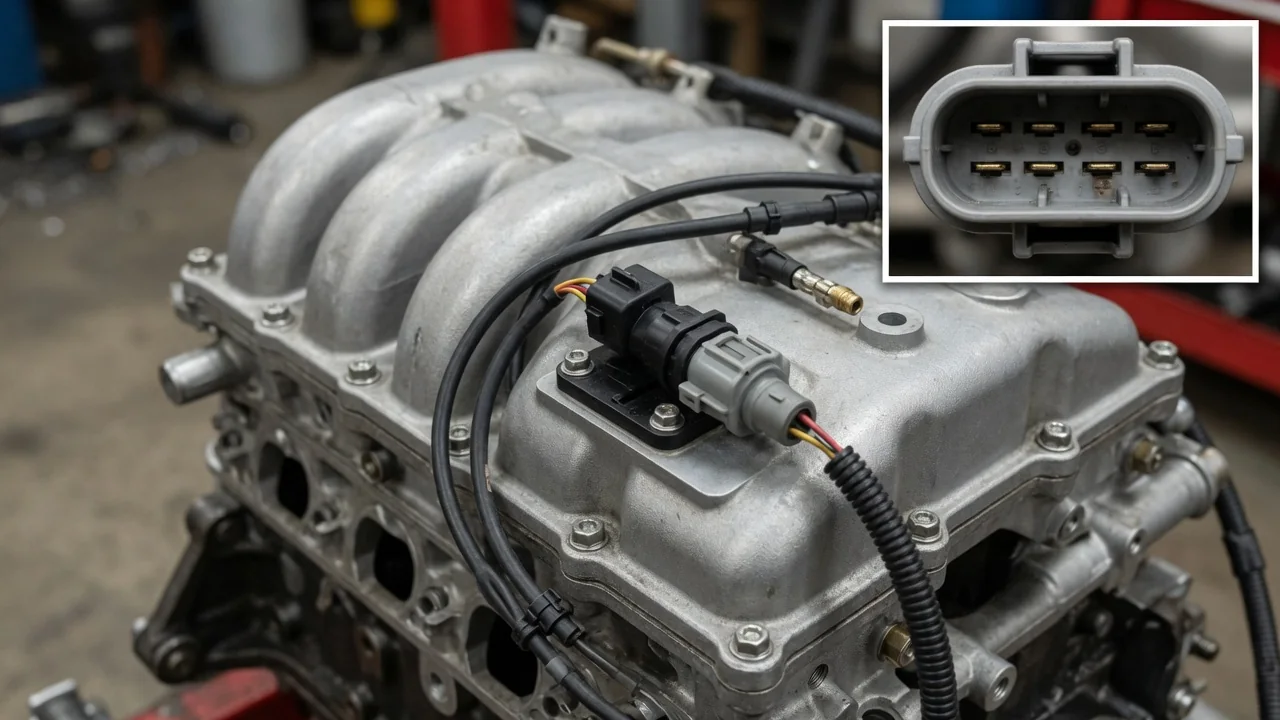
P0105 and P0109 codes both point to the manifold absolute pressure or barometric pressure circuit rather than a confirmed failed sensor. A P0105 code indicates a circuit malfunction, while a P0109 code describes an intermittent circuit fault. Pressure information helps the engine computer manage fuel, spark, and idle, but sensor layout and detection rules vary by vehicle. Stored data and related wiring clues should be interpreted with the correct service information before any part is replaced.
What a P0105 Circuit Code Means
A P0105 code is a diagnostic trouble code that reports a manifold absolute pressure or barometric pressure circuit malfunction. The engine control module watches the sensor signal, reference voltage, and sensor ground for values or relationships that fall outside its programmed limits. Exact wording, sensor arrangement, and trip criteria differ by manufacturer, so the definition in vehicle-specific service information must be checked before the code is treated as a particular failure. Some vehicles combine MAP and barometric functions; others use separate sensors or infer barometric pressure at key-on.
Intake manifold pressure and barometric pressure help the control module estimate engine load, air density, and the amount of air entering the cylinders so it can command fuel delivery, ignition timing, and idle airflow. A circuit malfunction means the module saw an electrical or signal condition it could not trust, which may originate in wiring, an electrical connector, a power or ground path, or the sensor itself. The P0105 code is evidence to interpret, not proof that the pressure sensor has failed. Replacing the sensor without confirming circuit behavior can leave the original fault in place.
What a P0109 Intermittent Fault Means
A P0109 code identifies an intermittent manifold absolute pressure or barometric pressure circuit fault. Detection windows, voltage thresholds, and the number of samples needed to set the code are manufacturer-dependent and require vehicle-specific verification. An intermittent circuit fault is a signal or circuit condition that may appear only under certain operating conditions, such as a particular temperature, engine load, vibration level, or moisture state. The same circuit that looks stable at idle in a bay can drop out on a hot restart, over a bump, or during a rain-soaked drive.
Because the fault is not continuous, the engine may run normally during a later inspection even though a P0109 code remains stored. Fault status, whether current, pending, or history, plus freeze-frame data showing engine speed, load, coolant temperature, and intake manifold pressure at detection, helps establish when the problem occurred. That snapshot still does not identify a failed component on its own. Comparing the stored operating data with how the vehicle was being driven can narrow the search to heat-related, load-related, or connection-related behavior without jumping to a sensor replacement.
Possible Symptoms and When to Stop Driving
A P0105 or P0109 code may be accompanied by a check-engine lamp, rough idle, hesitation, hard starting, stalling, or reduced power, but none of those symptoms is guaranteed. Some vehicles store the code with little more than a lamp, especially when the control module can substitute a default pressure value. The same drivability complaints also arise from vacuum leaks, ignition faults, fuel delivery problems, and other sensor circuits, so symptoms cannot confirm a MAP circuit fault by themselves. Treat the code and the way the engine behaves as related clues that still need circuit-level confirmation.
If the engine repeatedly stalls, power loss makes driving unsafe, or the check-engine light flashes, stop in a safe location and arrange assistance. A flashing lamp typically points to a misfire that can overheat a catalytic converter, a separate concern from a pressure-circuit code but still a reason to stop. Even when the vehicle appears to run normally after a P0105 or P0109 code is stored, arrange timely diagnosis. A stored intermittent circuit fault can return under the same conditions that first set it, and no general driving-distance estimate can be promised.
Wiring, Connector, and Pressure-Supply Concerns
Damaged wiring, poor terminal contact, corrosion, or a compromised reference voltage and sensor ground can distort or drop the pressure signal the control module relies on. Chafed insulation near the intake, a loosely latched electrical connector, or a terminal that has spread from repeated disconnects can produce a P0105 circuit malfunction or a P0109 intermittent circuit fault. Moisture, vibration, and temperature changes may contribute to an intermittent connection by expanding terminals, condensing water in the connector housing, or moving a broken strand, though those conditions are possibilities rather than proven causes until the circuit is tested.
On vehicles that use a hose-connected manifold absolute pressure sensor, a leaking, disconnected, restricted, or damaged vacuum hose can present a pressure that does not match true intake manifold pressure. An obstructed sensor port, an intake pressure problem such as a large vacuum leak, or an internal sensor fault can also produce implausible readings, each needing supporting evidence. A dry, intact hose does not rule out an electrical issue, and a clean connector does not prove the sensor is at fault. Match the inspection to the actual sensor mounting used on that vehicle.
Safe Observations Before Professional Testing
Before any codes are cleared, record every stored code, its status, freeze-frame data, and the circumstances of any symptoms, including weather, engine temperature, and whether the problem appeared at idle, under load, or after a restart. That record is often the only snapshot of an intermittent circuit fault. Clearing diagnostic information too early can erase the evidence a technician needs to reproduce a P0109 condition. Note related codes on shared power, ground, or reference-voltage circuits as well, because they can point the investigation away from the pressure sensor and toward a common supply problem.
With the engine off and cool, a visual inspection of accessible wiring, connector housings, and any applicable vacuum hoses can reveal obvious damage such as melted insulation, unlatched connectors, or a collapsed hose. Visible damage is useful evidence, but a normal appearance does not establish electrical integrity inside a terminal or along a wire that is broken under the insulation. Keep owner checks observational. Do not probe terminals, jump wires, use flammable leak-testing methods, or reach near running engine components. Leave voltage, resistance, and live-signal measurements to a technician using the correct diagram and safety practices.
How Testing Confirms the Cause and the Repair
Professional diagnosis uses the correct wiring diagram and vehicle-specific specifications to evaluate sensor supply, sensor ground, and the sensor signal against the values that vehicle actually uses. Pressure-data plausibility is then compared with operating conditions, altitude, and applicable service specifications; no universal voltage or pressure reading applies to every engine. A reading that looks reasonable at idle may still be implausible during a snap throttle or at key-on barometric sampling. Related codes help decide whether the problem is isolated to the MAP path or present on other sensors sharing the same reference.
Recording signal behavior over time can capture intermittent dropouts a snapshot misses, useful when a P0109 code was set on the road but the circuit looks stable in the stall. A sensor should be replaced only after evidence shows the device itself is at fault rather than the wiring, connector, hose, or supply circuit. Repair verification includes confirming circuit behavior under the conditions that originally set the code and monitoring for returning codes. Clearing a P0105 or P0109 code alone does not confirm a repair.