P00D8 Code: Turbocharger/Supercharger Bypass Valve B Temperature Too High
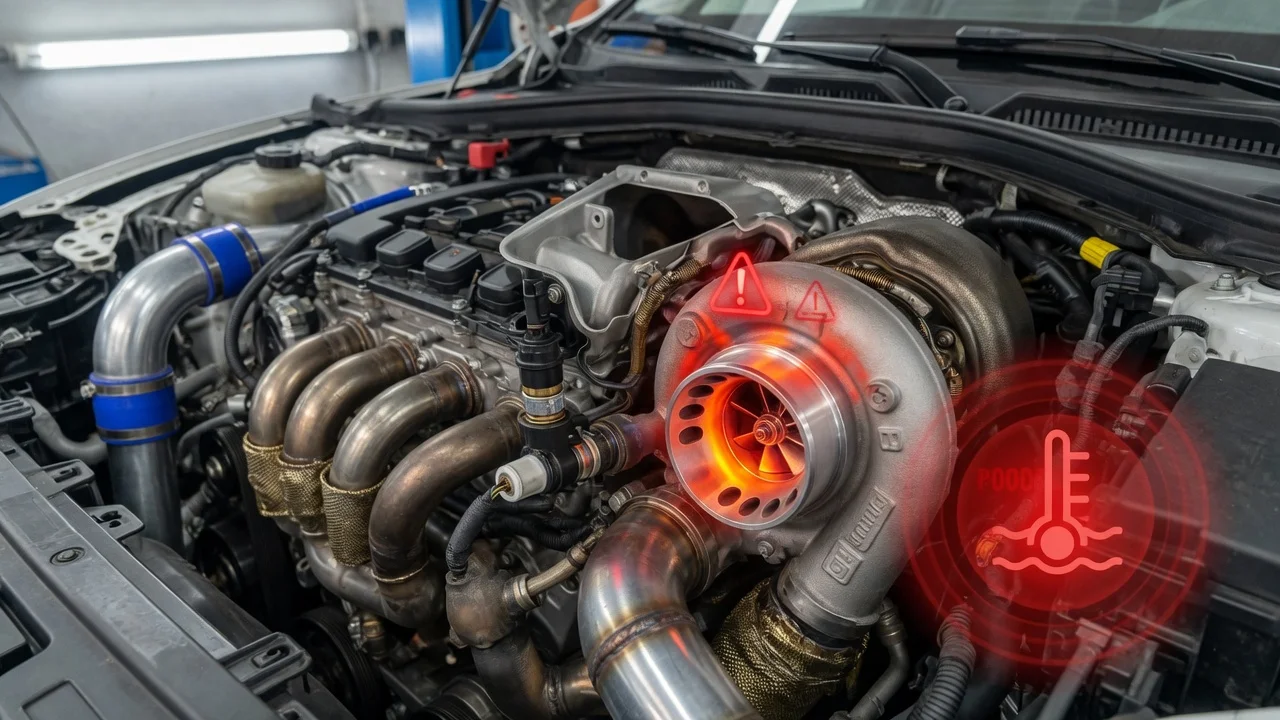
P00D8 is a diagnostic trouble code that the engine control module stores when it judges the temperature linked to turbocharger or supercharger bypass valve B to be above its allowed limit. The code points to where the computer saw a problem, not necessarily to the part that failed. This guide explains what the code means, how the bypass valve system works, what can trigger the reading and how an owner can approach diagnosis sensibly.
What P00D8 means
In plain terms, P00D8 means the engine computer received or calculated a temperature value for bypass valve B that exceeded the threshold programmed by the manufacturer, under the conditions it uses to run that check. The reading may reflect real overheating at or around the valve, or it may come from a faulty sensor, damaged wiring or a connector problem that makes the temperature look higher than it is. The code alone does not tell you which of these is true, so it should be treated as a starting point for diagnosis rather than an instruction to replace the valve.
How serious it is depends on the vehicle. On many engines the immediate effect is a check engine light, while some control strategies also reduce boost or limit power to protect components. Until the cause is known, it is reasonable to avoid towing, sustained high loads and hard acceleration, because those are the situations in which heat around a boost system builds fastest. If the vehicle shows reduced power, unusual noises, smoke or a burning smell along with the code, stop driving it hard and arrange an inspection promptly.
How the bypass valve and its temperature monitoring work
A bypass valve lets intake air take a path around the boost device instead of being forced through it. On a turbocharged engine, a compressor bypass or recirculation valve typically opens when the throttle closes suddenly, releasing trapped pressure so the compressor is not pushed into surge. On a supercharged engine, the bypass valve usually opens at idle and light load so air can circulate around the supercharger, reducing the work it does, and closes when the driver asks for power so boost can build. Depending on the design, the valve may be operated by vacuum or by an electric actuator controlled by the engine computer.
The letter B is a label the manufacturer uses to separate one valve from another when a system has more than one, for example on some twin-turbo or staged boost layouts. Which physical valve is B depends on the specific engine. For temperature, some systems use a sensor associated with the valve or its actuator, while others rely on internal monitoring of an electronic actuator. The module compares that value with a calibrated limit, and when the limit is exceeded for long enough under the right conditions, it stores P00D8. Sensor location, thresholds and enabling conditions are manufacturer specifications and vary between vehicles.
What can cause the high temperature reading
A genuine overheat can come from the operating environment or from a fault nearby. Heavy towing, long climbs, high ambient temperatures and repeated hard driving all raise heat around the intake and boost hardware. An exhaust leak close to the valve, a missing or loose heat shield, or reduced airflow in the engine bay can expose the valve or its actuator to more heat than it was designed for. A valve that sticks because of carbon, oil residue or wear can also make an electric actuator work harder and run hotter than normal.
A false reading is just as possible. Temperature sensors can drift or fail, and wiring routed near a hot turbocharger or exhaust can become brittle, chafed or melted, which may create a short or an implausible signal. Corroded or loose connectors can do the same. Less commonly, the engine computer software itself may be involved, which is why manufacturers sometimes release updates for specific trouble codes. Telling a real overheat apart from an electrical fault requires live data, circuit testing and the vehicle wiring diagram.
What changes the answer for your vehicle
Vehicle configuration matters more than anything else with this code. A supercharged engine and a turbocharged engine use the bypass valve in different ways, a single-turbo setup may not have a valve B at all, and a vacuum-operated valve fails differently from an electrically actuated one. Not every vehicle that uses a bypass valve monitors its temperature, and the exact wording and conditions for P00D8 can differ between manufacturers. Related codes for the same valve, such as circuit or position faults, change the likely diagnosis when they appear together.
Operating conditions and service history also shift the probabilities. A code that appears only after towing on a hot day points toward heat load or cooling and shielding issues, while one present right after a cold start suggests the sensor or its circuit. Intermittent codes often trace to wiring and connectors. Recent turbocharger, intake or exhaust work, engine tuning or an aftermarket blow-off or bypass valve can introduce routing mistakes, missing heat protection or parts the computer does not expect, so mention any of these to whoever diagnoses the vehicle.
What the owner can do
Start by reading the code with a scan tool that shows freeze frame data, and write down the engine temperature, load, speed and any other stored or pending codes. Note when the light came on, what you were doing and the weather. Avoid simply clearing the code and driving on, because that erases useful information and can hide a developing problem. If the code returns quickly after clearing, that pattern itself is useful to a technician.
With the engine fully cool, a careful visual inspection is reasonable. Look at the wiring and connectors around the bypass valve and turbocharger or supercharger for melted insulation, chafing, loose plugs or corrosion. Check that heat shields are present and secure, and look for black soot marks that may indicate an exhaust leak nearby. Inspect intake hoses and any vacuum lines to the valve for cracks or disconnection. Never touch boost or exhaust components on a recently driven engine, as they stay extremely hot.
While waiting for diagnosis, limit heavy loads such as towing and hard acceleration, and watch for power loss, new warning lights or unusual sounds from the intake. Ask a dealer whether there is a technical service bulletin or software update covering P00D8 for your model. Keeping up with the maintenance schedule the manufacturer specifies, including oil and coolant service where it applies, supports the health of boost system components, though it is not a direct fix for this code.
Limitations and next step
This explanation is general. The exact definition of P00D8, the temperature threshold, the sensor or actuator involved and the test values needed to confirm a fault all come from the manufacturer service information for your specific vehicle and engine. There is no universal repair or interval that applies to every vehicle with this code, and replacing the bypass valve without testing may not resolve it if the real cause is wiring, a sensor or heat from another source.
Seek professional help if the code returns after clearing, appears with boost or power-related codes, puts the vehicle into reduced power mode, or comes with smoke, a burning smell or noise from the intake. A technician can compare live temperature data with actual conditions, test the circuit against the wiring diagram and check for software updates. Bring your notes on freeze frame data, driving conditions and recent service history, since that information often shortens the inspection and helps avoid unnecessary parts replacement.