P0093 and P0094 Fuel System Leak Codes: Symptoms and Next Steps
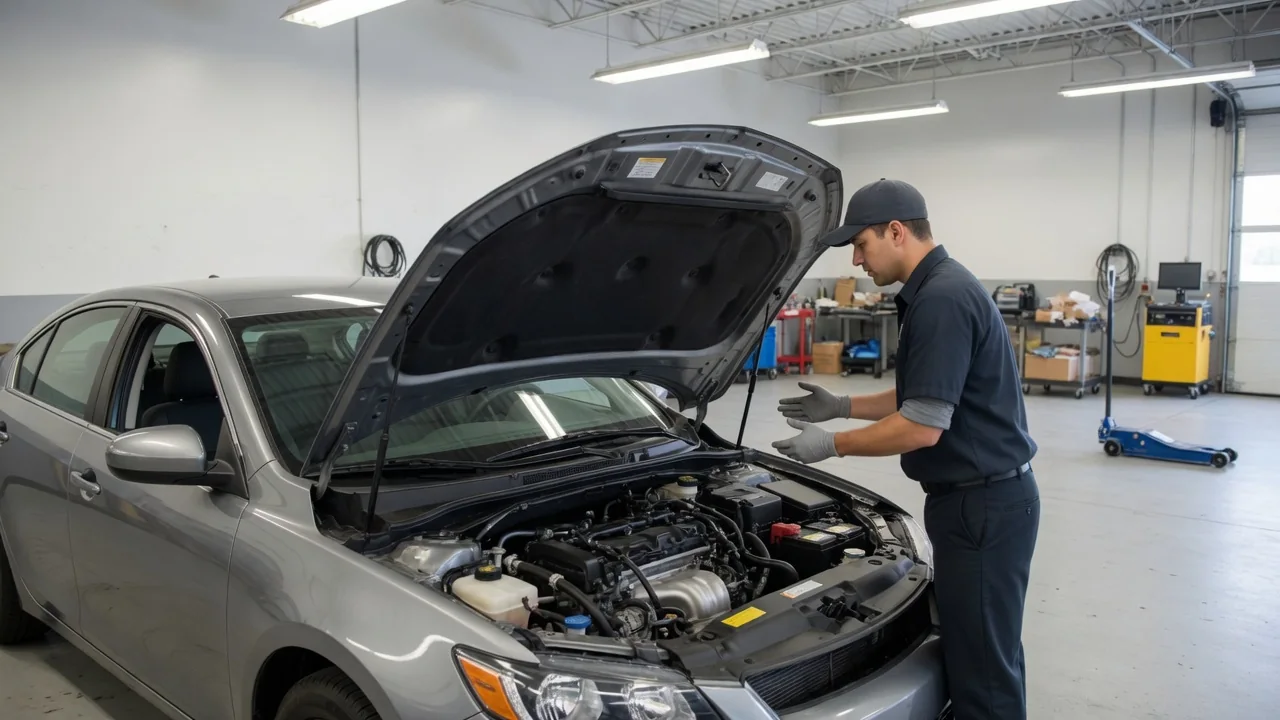
P0093 and P0094 fuel system leak codes flag a control-module judgment that fuel delivery or fuel pressure is not matching expected behavior. A P0093 code typically marks a large-leak classification, while a P0094 code marks a small-leak classification. Neither label proves a puddle, a failed part, or a safe driving condition. Confirm the vehicle-specific definition, then use symptoms and freeze-frame data to plan the next safe step.
What a P0093 Fuel System Leak Warning Means
A P0093 warning is commonly described as fuel system large leak detected, but that SAE-style title is only a starting point. The control module that stored the P0093 code used the diagnostic criteria written for that engine, fuel-delivery architecture, and calibration. High-pressure gasoline direct injection, returnless port injection, and diesel common-rail systems do not monitor the same way, so the enable conditions, pressure thresholds, and time windows differ. Before any part is condemned, the exact manufacturer definition for that vehicle should be confirmed.
The module can infer fuel loss from monitored system behavior rather than from a sighted leak. Commanded fuel pressure versus actual fuel pressure, unexpected rail decay after a pump command, or a mismatch between requested fuel delivery and the fuel pressure sensor can set P0093. That inference does not confirm visible external fuel leakage. The large leak label also does not measure a puddle, locate a fitting, or identify a failed injector, pump, or hose. It is evidence of a large-class discrepancy, not proof of a defective part.
What a P0094 Fuel System Leak Warning Means
A P0094 warning is commonly identified as fuel system small leak detected. Like P0093, the P0094 code still needs the vehicle-specific definition and detection conditions, because enable criteria, leak-rate classes, and which circuits are watched vary by manufacturer and fuel system. Small describes the diagnostic bucket the software used, not a measured drip size. The same control module may use a tighter pressure-loss window, a longer observation time, or a different comparison between commanded and actual fuel pressure than it uses for the large-leak path.
The small classification does not establish that continued driving is safe. A modest pressure or fuel-delivery discrepancy can still leave fuel where it should not be, starve injectors, or indicate a developing control problem. P0094 can also set when fuel is not visible outside the system. Internal fuel leakage past a pressure regulator, an injector that does not seal, a pump that cannot hold residual pressure, or implausible fuel pressure sensor data can look like a small leak to the monitor even when the underhood area stays dry.
Symptoms and Conditions That Require Stopping
A P0093 or P0094 warning may appear with little more than a malfunction indicator, or it may arrive with reduced power, hard starting, rough running, hesitation, or stalling. Not every vehicle will show those drivability changes, because the monitor can trip from a pressure mismatch during a specific operating window even if the driver still feels normal response. Companion codes, a fuel-pressure related message, or a sudden change after a fill-up or service can add context, but absence of a stumble does not make the stored leak class meaningless.
Fuel odor, visible wet fuel, smoke, or stalling is a reason to stop in a safe place, switch the engine off, and arrange assistance rather than keep driving to diagnose. An active suspected fuel leak should not be investigated with the engine running, and repeated restart attempts can add heat, spark, and more fuel to the same area. If there is no odor or wetness, the warning still deserves prompt professional attention, because a leak-class code is about fuel system integrity, not only about a dashboard lamp.
Possible Causes Behind the Fuel System Warning
External fuel leakage is one possibility when P0093 or P0094 is stored. Seals, quick-connects, rails, hoses, filters, pumps, and injector O-rings can lose fuel if damaged, loose, or deteriorated, but the code does not assign a failure rate or declare any part defective. A technician still has to distinguish a true wet leak from a dry pressure problem. Recent fuel-system work, a collision, or a change in starting or idle quality is useful history, yet timing alone does not prove which joint or component is at fault.
Internal fuel leakage, inadequate fuel supply, restrictions, and pressure-control faults can also satisfy a leak monitor depending on system design. Fuel that bypasses a control valve, an injector that dribbles into a cylinder, a weak pump, a clogged filter, or a regulator that cannot hold commanded fuel pressure may look like volume leaving the rail. A fuel pressure sensor that reads high or low, damaged wiring, or a poor ground can feed misleading actual fuel pressure data and set P0093 or P0094 without leakage, which is why sensor plausibility belongs in the cause list.
Safe Observations to Record Before Diagnosis
If there is no suspected active leak, record every stored code and the available freeze-frame data before anything is cleared. Freeze-frame captures operating conditions when the monitor failed, such as engine speed, load, temperature, and often commanded fuel pressure versus actual fuel pressure, which later diagnosis needs. Note when the warning appeared, whether it was hot or cold, under acceleration or idle, how the engine started, and any recent filter, pump, injector, or line work. Those notes help a technician reproduce the enable conditions instead of guessing from a blank memory.
Visual observation should stay limited to readily visible areas with the engine off. Do not touch suspected wet spots, crawl under an unsupported vehicle, or disconnect fuel-system components to hunt for a leak. High-pressure fuel systems can retain hazardous pressure after shutdown, so opening lines or feeling for leaks by hand is a professional task, not a driveway check. If odor or wetness is present, keep ignition sources away and leave the engine off until a shop can depressurize and inspect it.
How Professional Testing Establishes the Repair
A technician should follow the vehicle-specific diagnostic procedure and review companion codes before choosing a repair. Related fuel-pressure, fuel-pump, injector, or sensor codes change the test path, and a P0093 code versus a P0094 code may use different leak-class limits even on the same engine. Evaluation of commanded fuel pressure against actual fuel pressure, fuel pressure sensor plausibility, and whether the supply side can meet fuel-delivery demand belongs early in that process. Those comparisons help separate a wet leak from a control or measurement problem without opening the system first.
System-appropriate testing is then used to establish external fuel leakage, internal fuel leakage, or a pressure-control problem. That work may include inspecting dry versus wet areas after a controlled depressurization, checking residual pressure hold, and verifying control-valve or pump response, all under the service information for that vehicle. After a repair, the fault must be verified under the operating conditions that originally set the monitor. Clearing P0093 or P0094 alone does not demonstrate that the discrepancy is gone; the leak-class test has to run again and pass.