P0088 Code: High Fuel Rail Pressure Symptoms, Causes, and Diagnosis
A P0088 code means the control module has stored a high fuel rail pressure concern. Drivers usually want the meaning, typical P0088 symptoms, whether a regulator or sensor is involved, and how the condition is diagnosed without unsafe guesses. The stored P0088 result is a starting point for inspection, not a completed diagnosis, because reported pressure can be truly high or the signal can be wrong.
What P0088 Means on Your Vehicle
On most vehicles, P0088 generally indicates that fuel rail or fuel system pressure has been reported above the control module's permitted range during a monitored operating window. The module compares commanded fuel pressure with the value arriving from the fuel pressure sensor. When actual fuel pressure, as reported, stays too high relative to that allowed band, the fault is stored and the check engine light typically follows. That comparison sits at the center of the vehicle's fuel pressure control system.
The code description and the exact diagnostic criteria still have to be confirmed for the vehicle's year, make, model, and engine before any reading is interpreted. Manufacturer-dependent definitions can change the test conditions and the meaning of a high-pressure flag, so a generic scan-tool label is not enough. P0088 by itself cannot establish whether pressure is physically excessive or the pressure signal is inaccurate. Keep the investigation on this fuel pressure control concern rather than treating unrelated misfire or emissions codes as the same problem.
Symptoms and When to Stop Driving
P0088 symptoms can include a check engine light, rough running, difficult starting, reduced power, or stalling. Some vehicles show few noticeable changes beyond the stored warning, especially if combustion remains reasonably stable. Those observations describe how the engine is behaving, not which part has failed. A fuel pressure regulator, fuel pressure sensor, or pump can all produce overlapping driveability complaints, so the pattern of P0088 symptoms cannot identify a failed component without testing.
If the vehicle stalls, loses substantial power, or shows signs of a fuel leak, stop in a safe location and arrange assistance rather than continuing to drive. A strong fuel odor or visible fuel is a reason to shut the engine off and avoid restart attempts, because leftover pressure and leaked fuel create a fire hazard. Continuing to crank or drive in that situation can worsen a leak and does not help isolate the stored high-pressure concern.
Pressure Control Faults and Misleading Sensor Signals
How pressure is controlled depends on system design. A stuck or slow fuel pressure regulator, or a fuel metering valve that does not reduce delivery as commanded, can leave rail pressure higher than the module intends. On some return-style layouts, restricted return flow can have a similar effect, but that possibility applies only where a return path is part of the architecture. Pump control faults may also deserve investigation after the control path is understood, yet the P0088 code does not justify automatic pump replacement.
A misleading signal can set the same fault. Sensor faults, damaged sensor wiring, or connector problems can make reported pressure look high even when the rail is not overpressurized. The module only knows what the circuit tells it, so an open, short, high-resistance joint, or poor ground can push the reading outside the allowed range. Distinguishing a true control fault from a false pressure report is why electrical integrity is checked before parts are condemned.
Safe Information to Gather Before a Shop Visit
Before a shop visit, record when the warning appeared and whether starting, idling, acceleration, or warm operation brings on the complaints. That timeline helps a technician match the event to operating conditions later. Save all stored and pending codes plus available freeze-frame data before clearing anything, because freeze-frame data captures engine speed, load, temperature, and related readings at the moment the fault was recorded. Recent fuel system work or other repairs should be noted so the sequence of events is not lost.
Owner observations should stay limited to accessible areas. Do not touch fuel components, loosen fuel lines, unplug sensors or valves as a test, or attempt pressure checks. High residual pressure can remain in the rail after shutdown, and an untrained disturbance can spray fuel or damage connectors. Visual notes about wet spots, damaged harnesses, or recent aftermarket work are useful; hands-on fuel-system tests are not a safe owner task and belong in a shop with the correct tools and service information.
How a Technician Confirms the Cause
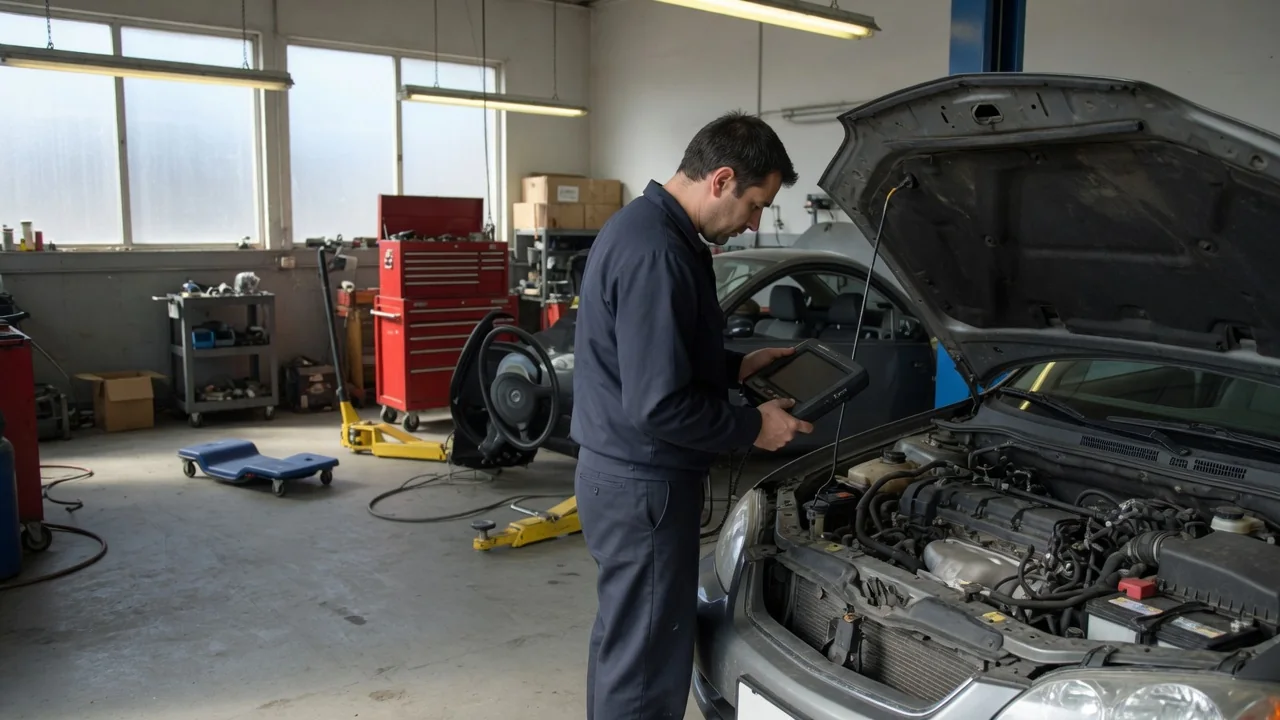
A technician starts with vehicle-specific service information to establish pressure limits, test conditions, and the correct diagnostic sequence for that engine. Commanded fuel pressure is then compared with reported actual fuel pressure across idle, cruise, and load, along with related codes and the operating conditions stored with the fault. That review shows whether the high reading appears only at start, only when warm, or throughout the drive cycle, which narrows the search between control hardware and the sensing circuit.
Electrical testing checks sensor supply, ground, signal integrity, and relevant control circuits before any part is condemned. Manufacturer-approved procedures and appropriate equipment are then used to establish whether pressure is truly excessive rather than merely reported as high. Pressurized fuel system testing requires trained personnel because dangerous pressure can remain after shutdown, and an untrained gauge hookup is not a substitute for that process. Guesswork substitutions skip those steps and can leave the original P0088 condition unresolved.
Repairs and Confirmation That P0088 Is Resolved
Repairs should follow confirmed findings, such as correcting wiring faults or addressing a verified sensor, regulator, metering, or pump control problem. Component selection and any required setup procedures depend on the exact vehicle and fuel system, including any learning or adaptation steps the control module needs after a related part is replaced. Installing a part that was never shown to be at fault wastes time and can hide the original circuit or control issue.
After work is complete, the system should be checked for leaks and pressure control should be confirmed under the appropriate test conditions, watching commanded and actual values as load changes. The technician also verifies whether the P0088 code returns during a complete drive cycle rather than relying on a key cycle. Clearing the warning light alone does not demonstrate a successful repair, because the monitor may not have run and the underlying high-pressure or false-signal condition can still be present.