P0087 Code: Low Fuel Rail Pressure Causes and Diagnosis
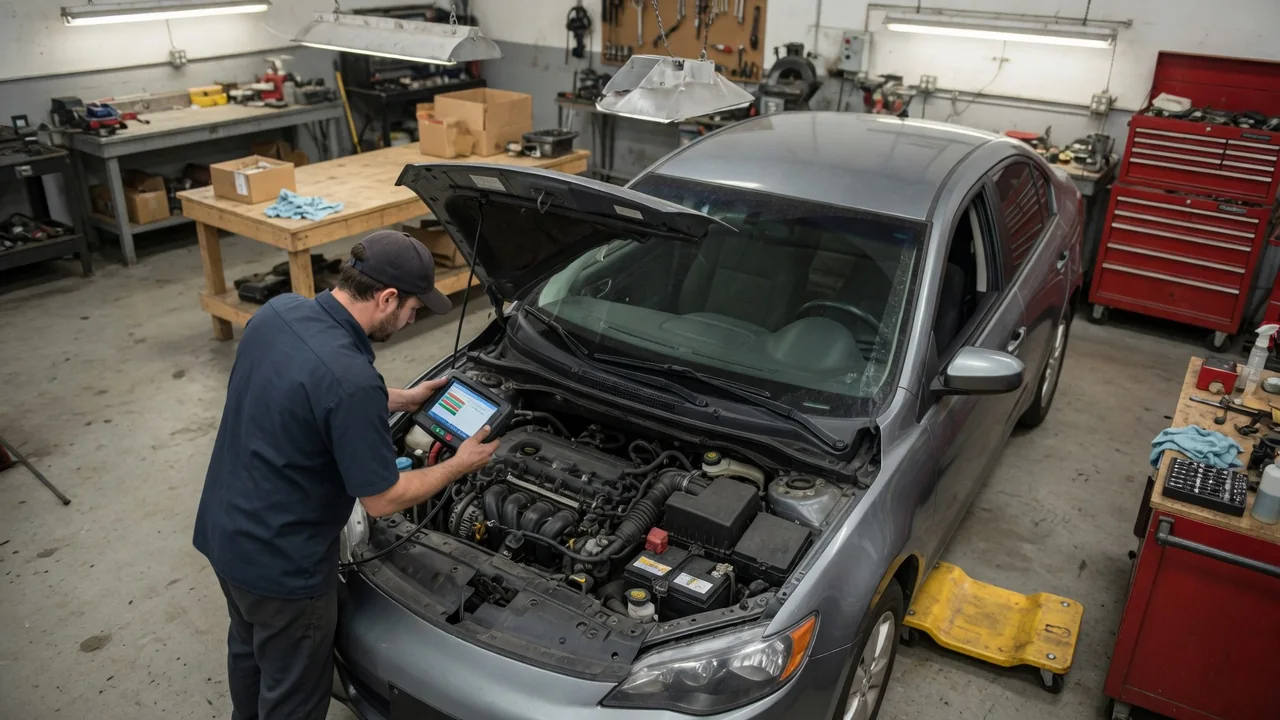
When a scan tool shows P0087, the engine computer is reporting that fuel pressure in the rail or fuel system fell below what it expected. Possible causes include weak fuel delivery, a regulation problem, internal leakage, or a sensor giving a false reading. Knowing how the system builds and measures pressure helps you describe the problem accurately and avoid paying for parts the evidence doesn't support.
What P0087 Means for Fuel Rail Pressure
P0087 is a generic powertrain code. It means fuel rail or fuel system pressure was lower than expected while the engine control module was monitoring it under specific operating conditions. The module compares commanded fuel pressure, which is the target it calculates for the current load and speed, with actual fuel pressure as reported by a sensor. If the reported value stays below the target by more than an allowed margin for long enough, the code sets. The manufacturer defines those thresholds, enabling conditions and targets, so they differ from one vehicle to another.
Before interpreting any pressure reading, confirm the year, make, model and engine, then check the manufacturer's diagnostic information. The code describes a condition. It does not identify a failed component. Fuel type and system design matter because gasoline direct-injection, diesel common-rail and port-injected engines build and control pressure in different ways. Some use a separate engine-driven high-pressure pump, while others rely only on an in-tank pump. That design determines which components can cause low pressure and the order in which a technician tests them.
Symptoms and When to Stop Driving
Symptoms vary widely. Some drivers notice hard starting, rough running, hesitation or a clear loss of power, while others see only a check-engine light. The engine can stall if pressure drops far enough that the injectors can't deliver the fuel it needs. Problems often show up during acceleration, on hills or while towing, because fuel demand peaks then and a marginal supply falls behind. However, the conditions when symptoms appear only narrow the possibilities. They can't tell you whether the pump, filter, regulator or sensor is at fault.
If the engine stalls, loses a lot of power or runs unpredictably, pull off the road safely and arrange assistance instead of continuing. A vehicle that can't accelerate reliably is a hazard in traffic, and some engines deliberately reduce power to protect themselves. A fuel leak is more serious. If you see fuel dripping or pooling, or smell strong raw fuel, shut the engine off and don't restart it. Keep ignition sources away and get professional help, because a leak in a pressurized fuel system can cause a fire.
Fuel Supply Problems: Pump, Filter, and Restrictions
On many vehicles, a low-pressure supply pump in or near the tank sends fuel to the engine or to a high-pressure pump. If the supply pump can't deliver enough volume or pressure, the rail may never reach its target, especially under load. A restricted fuel filter, a clogged pickup screen, or a kinked, crushed or damaged supply line can starve the system the same way. Not every vehicle has a serviceable filter or the same line routing, so each possibility has to be checked against that vehicle's design.
Electrical problems can also weaken a supply pump. A high-resistance connector, a failing relay, poor grounds or a faulty pump control module can reduce output even when the pump itself is fine. Fuel quality is also a possibility, since water, debris or the wrong fuel can affect delivery, but it should be confirmed with evidence rather than assumed. Hearing the pump run when you turn the key doesn't prove it delivers enough fuel under demand. A newly replaced filter doesn't rule out a restriction elsewhere or an incorrect part.
High-Pressure Pump, Regulation, and Pressure Feedback
On direct-injection gasoline and common-rail diesel engines, a high-pressure pump raises fuel to the pressure the injectors need. A worn or failing high-pressure pump can cause P0087, but the code alone doesn't justify replacing it. These pumps also need healthy supply pressure to work properly. Depending on the design, a pressure regulator, fuel metering valve or pressure control valve decides how much fuel reaches or stays in the rail. Names and locations vary. A valve that sticks or is poorly controlled can keep pressure below the target.
Some systems lose pressure through excessive internal leakage. Fuel escapes to the return path through worn injectors or a pressure-limiting or pressure-control component instead of staying in the rail. Whether this applies depends on how the system is built, and diesel systems often have specific leak-off checks. The rail pressure sensor needs just as much attention. A sensor with a skewed signal, or damaged or poorly connected wiring, can report low pressure that isn't really there. The sensor and its circuit should be tested before deciding that rail pressure is truly low.
Safe Checks and the Professional Diagnostic Process
Before anyone clears the code, save every stored code and the freeze-frame data. Freeze-frame data records conditions such as engine speed, load and temperature at the moment the fault set. Also write down when symptoms happen, when and where you last refueled, and any recent repairs or service. Keep your own checks limited. Confirm the gauge shows a reasonable fuel level, and look at accessible areas under the hood and beneath the vehicle for obvious damage, wetness or fuel odor. Don't touch, loosen or disturb any fuel connections.
A technician will typically compare commanded and reported rail pressure on a scan tool, review related codes, and check the electrical operation of the pumps, valves and sensor. They will also measure fuel supply using the manufacturer's procedures and proper equipment. High-pressure fuel systems can hold dangerous pressure after the engine is shut off, and escaping fuel can cause injury or fire. Owners should not loosen lines, open the rail, try improvised pressure tests or deliberately drive the vehicle to reproduce the power loss. Those steps belong in a controlled professional setting.
Choosing a Repair and Confirming the Result
The right repair depends on what testing confirmed. It might mean fixing a corroded connector or damaged wire, replacing a filter that tested as restricted, or correcting a faulty regulator or metering valve. A pump should be replaced only after testing shows it can't produce the required pressure or flow. If there are signs of contamination, such as debris in a filter or water in a fuel sample, the fuel system should be inspected more broadly. Contaminated fuel can damage pumps and injectors, which can add to what needs cleaning or replacement.
Clearing P0087 or driving a short distance without trouble doesn't prove the problem is fixed. Many pressure faults appear only at certain loads, temperatures or fuel levels, so the code can stay away for days. To verify the repair, a technician should confirm that actual pressure follows commanded pressure across the relevant operating range and that the original symptoms are gone. They should also confirm that no pending or stored codes return after the monitor has run under the right conditions. Only then should the repair be treated as finished.