P0036, P0037 and P0038: Bank 1 Sensor 2 Heater Circuit Codes
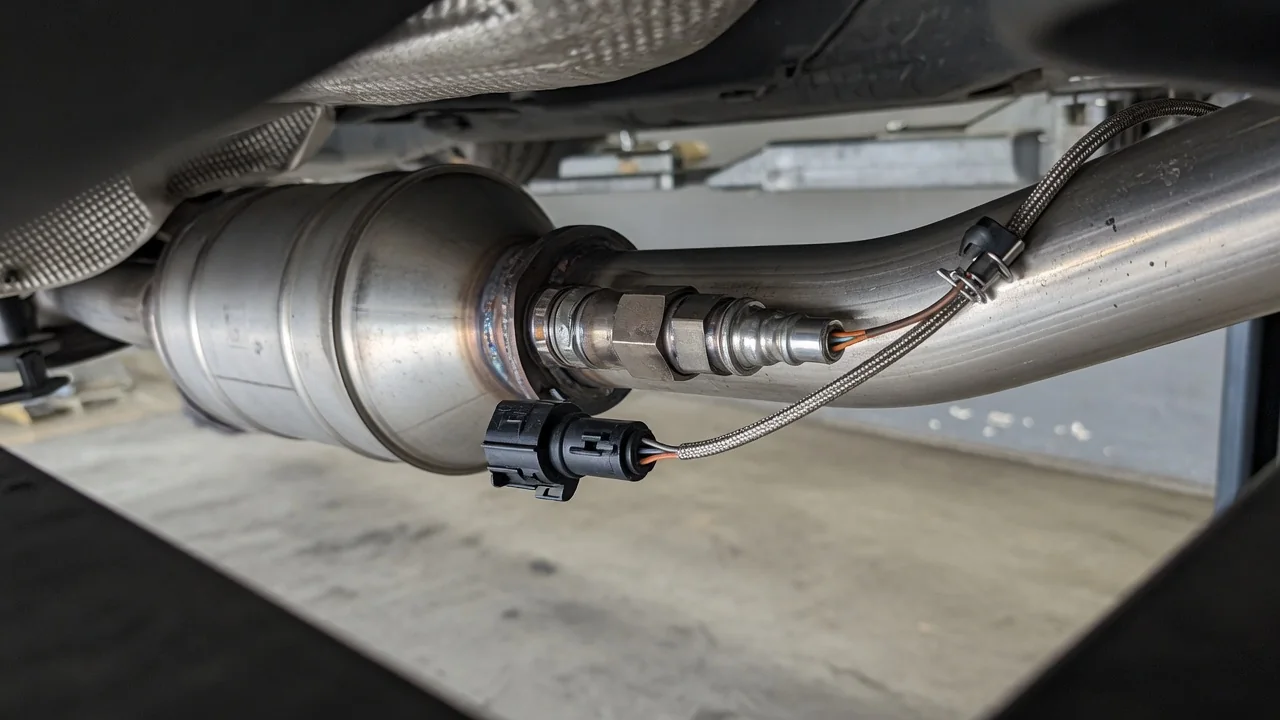
A P0036, P0037 or P0038 code points to the heater circuit of the bank 1 sensor 2 oxygen sensor, the downstream sensor that normally sits after the catalytic converter. These codes often appear with little more than a check engine light, yet they can hold up emissions readiness. Understanding what each code monitors, which symptoms matter and how the circuit is tested helps avoid replacing parts on guesswork.
What P0036, P0037 and P0038 Mean
In the generic code set, P0036 describes the heater control circuit for the bank 1 sensor 2 oxygen sensor. P0037 describes a low condition in that same circuit, and P0038 describes a high condition. The words low and high refer to electrical conditions the engine control module monitors, such as voltage or current outside an expected range. They say nothing about exhaust temperature, oxygen content or a lean or rich mixture. Mixing these up is a common source of confusion when reading a P0037 code or P0038 code.
Manufacturers can refine how these faults are detected, so confirm the exact description and enabling criteria in service information for the specific year, make, model and engine. Some systems watch the control side while others monitor current draw, and the conditions needed to set the code differ. Just as important, a P0036 code identifies a circuit problem, not a failed part. The heater inside the sensor may be at fault, but so may a wire, connector, fuse or power supply. That is why replacing the sensor based on the code alone is a gamble.
Locating Bank 1 Sensor 2 and Understanding Its Heater
Bank 1 is the side of the engine that contains cylinder 1. An inline engine usually has only one bank. On a V-type engine, the answer depends on how the manufacturer numbers the cylinders, so check vehicle-specific information before deciding which side is which. Sensor 2 generally means the downstream oxygen sensor mounted after the catalytic converter. Exhaust layouts vary, though, and some systems use multiple converters or unusual sensor placement. Confirm the actual arrangement before touching or ordering a component.
Oxygen sensors produce a useful signal only once they are hot, and exhaust heat alone can take a while to get them there, especially after a cold start. An integrated electric heater brings the sensing element up to operating temperature faster and helps keep it there during low-load driving. The heater has its own power supply and control circuit, separate from the signal wires that report oxygen content. As a result, a sensor can have a failed heater while its sensing element still works, or the reverse.
Symptoms and When to Limit Driving
The most common P0036 symptoms are simply an illuminated check engine light, often with no noticeable change in how the vehicle drives. The downstream sensor mainly supports catalyst monitoring, so a heater fault may keep related readiness monitors from completing. Depending on the vehicle and local rules, that can mean failing or being turned away from an emissions inspection even though the car seems fine. P0037 symptoms and P0038 symptoms usually follow the same pattern, with the warning light as the main clue.
Rough running, hesitation, power loss or a sudden drop in fuel economy should not be blamed on a downstream heater code alone. Those complaints point to other problems, and any accompanying codes, such as misfire or fuel trim faults, deserve attention first. If the check engine light flashes, the engine runs very roughly, or you notice smoke or a burning smell, stop somewhere safe and get help. A flashing light can signal a misfire that risks damaging the catalytic converter. A burning odor could mean overheated wiring or leaking fluids.
Safe Fuse, Connector and Wiring Observations
Before clearing anything, record every stored and pending code along with the freeze-frame data. Freeze-frame data captures conditions such as engine temperature and speed at the moment the fault set, which helps a technician tell whether the problem is intermittent or constant. Limit any visual inspection to areas you can reach safely with the engine off and the exhaust completely cool. Never crawl under a vehicle that is not properly supported. Downstream sensors often sit low near hot exhaust parts, so you may not be able to see much.
Useful clues include a wiring harness resting on the exhaust, melted or chafed insulation, a loose or corroded connector, or signs of recent exhaust work that may have disturbed the wiring. Treat these as leads to confirm, not as a diagnosis. The owner's manual or fuse panel label can identify the fuse that feeds the oxygen sensor heater power supply. A blown fuse usually means something drew too much current, though. Never bypass a fuse, install a higher-rated one, keep replacing fuses, or probe powered circuits yourself.
Professional Tests That Identify the Circuit Fault
Possible causes include an open or shorted heater element inside the sensor, broken or chafed wiring, a short to ground or to voltage, a damaged or corroded connector, and a fault in the heater power supply or control circuit. The code alone does not tell you which one applies. A technician uses the correct wiring diagram and the specified test conditions to check supply voltage, the heater control circuit, wiring integrity and heater resistance or current draw. Comparing those results against specifications shows where the circuit is misbehaving.
A low or high circuit code narrows the search, but it cannot identify which wire or component failed on its own, because manufacturers use different control and monitoring designs. When several heater codes appear together, such as faults on both upstream and downstream sensors, testing may focus on shared parts like a common fuse, relay or power feed. That direction still has to be backed by evidence. A failed engine control module is possible, but only conclude that after the supply, ground and wiring tests have been verified.
Repair Decisions and Verification
The repair should match what testing confirms. Damaged wiring or connectors can be repaired to the manufacturer's standards and rerouted away from heat. A supply fault should be fixed at its source, and a sensor with a failed integrated heater gets replaced. Before buying a sensor, check its position, connector style and application for the specific vehicle rather than trusting a generic fitment claim. A heater circuit code alone does not justify replacing the catalytic converter, because the fault is in the sensor circuit, not the converter's efficiency.
After the repair, proper verification matters more than whether the warning light is off. A technician can check code status, confirm the heater is working as expected, and drive the vehicle under manufacturer-specified conditions until the relevant monitors complete. Clearing codes with a scan tool only erases the evidence and resets emissions readiness. An unrepaired fault will usually come back, and a car with freshly cleared codes may not be ready for inspection. Once the monitors show complete and none of the three codes returns, the repair is confirmed.