P0017 Code: Meaning, Causes, Diagnosis and Repair Options
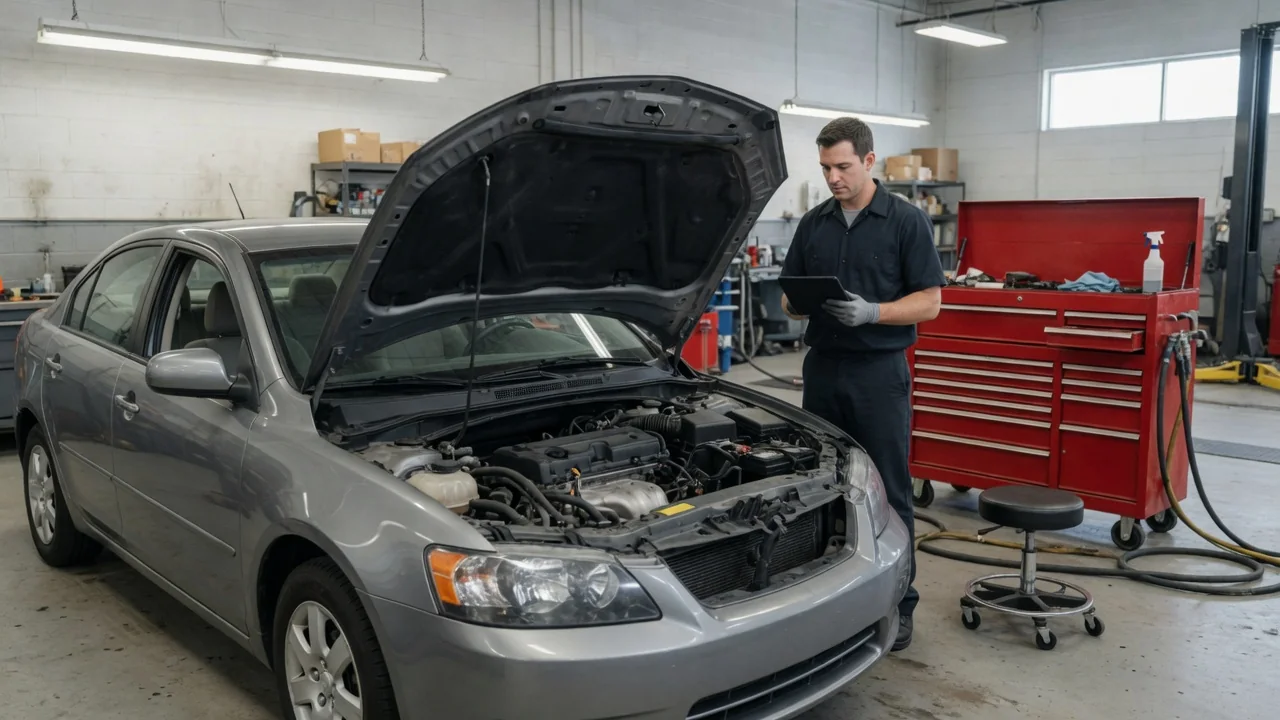
The P0017 code means your engine's control module has found the crankshaft and one camshaft out of their expected timing relationship. Camshaft timing affects how the engine breathes, starts and makes power, so this fault needs prompt attention. This guide explains what the code means, which symptoms matter, what can cause it, and how careful diagnosis leads to a repair that actually fixes the problem.
What P0017 Means and Which Camshaft It Identifies
P0017 is generally defined as crankshaft position–camshaft position correlation, bank 1, sensor B. Bank 1 is the side of the engine with cylinder number one, and sensor B refers to a specific camshaft position sensor on that bank. On many dual-overhead-cam engines, sensor B is linked to the exhaust camshaft, but that convention isn't universal, and inline engines have only one bank. Before interpreting anything, check the service information for your vehicle to confirm the exact code wording, the bank location and which camshaft the manufacturer calls sensor B.
The powertrain control module keeps comparing crankshaft position with camshaft position. In a healthy engine, the two turn in a fixed or precisely controlled relationship. If the camshaft signal arrives earlier or later than the module expects, or the offset stays outside its learned range, the module records a timing correlation fault. That's all the code tells you. It doesn't prove that a camshaft sensor has failed, and it doesn't identify the repair. It simply tells a technician where to start looking for the mismatch.
Symptoms and Warning Signs That Affect Driving Decisions
A check engine light is the most common sign, and some drivers notice nothing else. Others have a rough idle, hesitation, long cranking or hard starting, stalling at low speed, or reduced power under load. Oil-control problems in the variable valve timing system, stretched or misaligned timing parts, and electrical signal faults can all cause these same symptoms. That means how the engine feels can't tell you which problem you have. Treat symptoms as clues that help the diagnosis, not as the diagnosis itself.
If an oil-pressure warning appears, you hear loud rattling, knocking or slapping from the engine, or it runs too poorly to keep up with traffic, stop in a safe place and shut the engine off. Jumped timing or a lack of oil can quickly lead to serious internal damage. In those situations, towing is the sensible choice. An engine that still starts and moves the car isn't proof that it's safe to keep driving. Some timing faults stay quiet until damage has already happened.
Potential Causes in Oil Control, Timing, and Position Signals
On engines with variable valve timing, pressurized engine oil moves the camshaft actuators, so oil condition directly affects camshaft timing. Low oil level, oil of the wrong viscosity, sludge, a blocked passage or screen, or weak oil pressure can keep an actuator from reaching its commanded position. The control valve that sends oil to the actuator can also stick or respond slowly, and so can the actuator itself. Any of these parts could be involved, but none should be treated as failed until testing supports it.
Mechanical timing is another possibility. A stretched chain, worn guides or tensioner, a belt or chain that has jumped a tooth, or incorrect assembly can shift camshaft position enough to set a correlation fault. Electrical causes include damaged wiring, corroded or loose connectors, a faulty crankshaft or camshaft position sensor, and a damaged reluctor or signal target. If the engine recently had timing work, a cylinder head repair or other major service, tell the shop. That history guides testing, but it doesn't prove the earlier repair caused the fault.
Safe Observations to Record Before a Shop Visit
Good notes can save diagnostic time. Write down whether symptoms appear at cold startup, at idle, after the engine is fully warm or while accelerating, but don't recreate unsafe conditions on purpose to catch them. Check the oil level only as your owner's manual describes, with the vehicle parked safely, and record what you find. Collect your maintenance history too, including the date of the last oil change and the oil specification used. The wrong oil or long change intervals can matter on engines where oil drives the camshaft timing.
If you have a scan tool, save every stored and pending code, plus any freeze-frame data, before clearing anything. Freeze-frame data records conditions like engine speed, temperature and load when the fault was set, and clearing codes erases it. Keep your own work within clear limits. Don't remove covers or take the engine apart, don't probe wiring or components while the engine is running, and never try to adjust camshaft timing based on the code alone. Those jobs need proper procedures and tools.
How Professional Testing Identifies the Fault
A professional diagnosis usually starts with the manufacturer's diagnostic procedure for that specific engine, because test steps and specifications vary widely. Other codes stored alongside P0017 matter. If it appears with camshaft actuator or oil-control circuit codes, that points somewhere different than if it appears with position sensor circuit codes or misfires. Freeze-frame data shows the conditions when the fault occurred. Where the vehicle supports it, the technician compares commanded and actual camshaft position in the scan data to see whether the actuator follows commands, using the manufacturer's acceptable range.
If camshaft timing doesn't respond correctly, the technician may test oil pressure with a mechanical gauge and check how the variable valve timing control valve works. These tests help separate oil supply problems from faulty components. Electrical testing checks power, ground and signal quality at the sensors, and an oscilloscope can show crankshaft and camshaft waveforms together so their relationship is visible. When the evidence points to a physical timing offset, a mechanical timing inspection is warranted. A scan result alone can't confirm chain stretch, a jumped tooth or internal damage.
Repair Options and Checks That Confirm the Result
The right repair depends on what testing confirms. It might mean fixing low or incorrect oil, clearing a blocked oil supply, repairing a damaged wire or connector, or replacing a control valve, actuator or position sensor that testing has shown is faulty. A confirmed mechanical timing fault needs the repair procedure for that specific engine and a check for related damage. Replacing a camshaft sensor or changing the oil without evidence can leave the real problem in place, and the light may come back.
How big the repair is depends on the confirmed cause, how hard the parts are to reach on that engine and whether any other damage turns up. Costs vary widely, so get an estimate only after diagnosis. Checking the result matters as much as the repair. A proper check confirms that the original symptoms are gone, that commanded and actual camshaft positions match in the scan data where available, and that the relevant self-tests have finished. Clearing the check engine light alone doesn't prove the fault is fixed.