P0016 Code: Meaning, Causes, Symptoms and Repairs
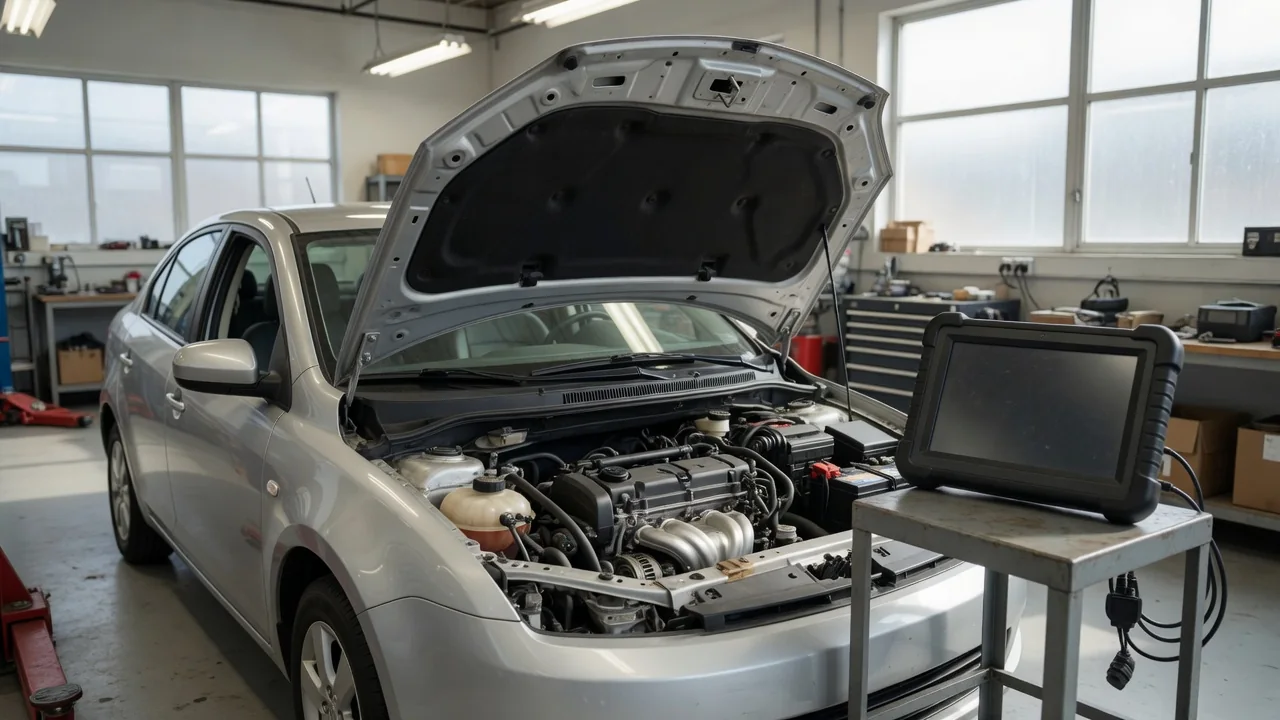
A p0016 code means the engine computer has found a disagreement between where the crankshaft is and where the camshaft appears to be. The mismatch can come from something as simple as low oil or as serious as a stretched timing chain, so the code needs careful interpretation. This guide covers what it means, the symptoms, how urgent it is, the likely causes, and how to diagnose and repair it.
What P0016 Means on Your Vehicle
In its generic form, P0016 describes crankshaft and camshaft correlation outside the expected range for bank 1, sensor A. Bank 1 is the side of the engine containing cylinder number one, and sensor A refers to a specific camshaft position sensor, which some manufacturers assign to the intake camshaft. These conventions are not universal. Before drawing conclusions, confirm the exact code description, bank location, sensor designation and diagnostic criteria for the year, make, model and engine, because manufacturers define and run this monitor differently.
The engine controller reads the crankshaft position sensor and camshaft position sensor as the engine turns and compares when each signal arrives. On engines with variable valve timing, it also compares the cam angle it commanded with the angle it actually measures. If that relationship drifts beyond a calibrated limit for long enough, the controller stores the code. That logic only shows that the two signals disagree. It cannot tell a worn timing component from a sluggish phaser, a corrupted signal or an oil supply problem, so the code points to a system, not a failed part.
Symptoms That Can Accompany P0016
The most common sign is an illuminated check engine light. Drivers may also notice a rough or uneven idle, longer cranking before starting, stalling at low speed, or reduced power under acceleration. Some engines make a rattle or ticking at startup when timing components or oil-fed phasers are involved. None of these symptoms is guaranteed. Whether they appear depends on how far timing has shifted, whether the controller restricts valve timing in response, and which component is actually misbehaving on that engine.
P0016 is often stored while the vehicle feels completely normal. Smooth running does not reveal the cause or prove the problem is minor, because a slowly stretching chain can drive well until correlation drifts further. A few observations help a technician narrow things down. Note when the light first appeared, whether symptoms occur only on a cold start or after full warm-up, and what noises occur and when. Also note whether the car recently had an oil change, timing service or other engine work.
When P0016 Requires Stopping the Engine
How urgently P0016 needs attention depends on the cause and on how the engine behaves. A signal fault may do little immediate harm. Compromised mechanical timing can cause further wear and, on some engines, serious internal damage if components keep slipping. Pull over where it is safe and shut the engine off if an oil-pressure warning appears, a pronounced mechanical rattle develops, the engine shakes severely, or power drops sharply. Having the vehicle towed for assessment keeps a repairable timing problem from becoming a much larger one.
Even when the engine seems to run normally, get it diagnosed promptly. The code records that timing correlation failed a test. It does not show how much margin remains before a chain jumps a tooth or a tensioner loses control. There is no reliable way to work out a safe driving distance from the code alone, and freeze-frame data rarely shows mechanical condition. Limit driving, avoid heavy loads and high engine speeds, and schedule testing soon to reduce risk until the underlying fault is found.
Faults That Can Disrupt Crankshaft and Camshaft Correlation
On engines with oil-actuated variable valve timing, the camshaft phaser needs clean oil at adequate pressure to hold and move the cam. Low oil level, oil of the wrong viscosity or specification, sludge in the passages, a clogged screen, or a weak oil pump can make the phaser slow or unable to hold position. The controller then sees camshaft timing that does not match the crankshaft. Checking engine oil condition and confirming the correct grade is therefore an early, inexpensive diagnostic step, not a guaranteed fix.
Mechanical causes include incorrect timing alignment, a stretched timing chain or worn belt, a failing tensioner or guide, and, where fitted, a camshaft phaser that sticks or has a worn locking mechanism. Signal problems are also possible. A faulty crankshaft position sensor or cam sensor, damaged wiring, corroded connectors, or a damaged reluctor or trigger wheel can distort the readings. Replacing a sensor should not be the default response. Recent timing work or other engine repairs are important history to mention, since alignment errors can happen, but they should be checked rather than assumed to be the cause.
Safe Checks and Professional Tests That Narrow the Cause
Before clearing anything, record every stored and pending code along with the freeze-frame data, which captures engine speed, temperature, load and other conditions when the fault set. Related codes for cam sensors, oil control solenoids or bank 2 correlation can suggest whether the problem is shared or isolated, but they are clues, not proof. Owner checks should stay simple. Check the oil level as the owner's manual describes, review service records for oil changes and timing work, and look for obviously damaged wiring or loose connectors only with the engine off and cool.
Professional testing usually compares commanded and actual camshaft timing, checks crankshaft and camshaft signal correlation with a scan tool or oscilloscope, inspects wiring and connectors, and measures oil pressure with a gauge. If those results point that way, mechanical timing verification may follow. Scan data alone may not separate electrical, hydraulic and mechanical faults, because each can produce similar readings. That is why a technician combines several tests using vehicle-specific procedures, and why disassembly and running-engine inspection should be left to trained hands.
Repairing the Confirmed Fault and Verifying the Result
The repair should match what testing confirmed. An oil-related fault may mean correcting the level or grade and fixing restricted passages or pressure problems. An electrical fault may need a wiring or connector repair, or a new sensor if testing shows the old one is faulty. Valve-timing control problems may involve the oil control solenoid or camshaft phaser. Mechanical faults may require replacing the timing chain or belt, tensioner and guides. Swapping a sensor or changing the oil without confirming the cause often leaves P0016 unresolved and adds cost without fixing anything.
Verifying the repair matters as much as the repair itself. A technician should confirm timing correlation with vehicle-specific checks, watch for stable operation through a cold start, idle and driving, and then check for returning stored or pending codes after the monitor runs again. Repair scope varies widely with the failed system, how hard the timing components are to reach, and whether damage has already occurred. An itemized diagnosis and estimate that separates testing, parts and labor makes it easier to see what was found and why each step is needed.