P0013 Code: Meaning, Symptoms, Diagnosis and Repair Options
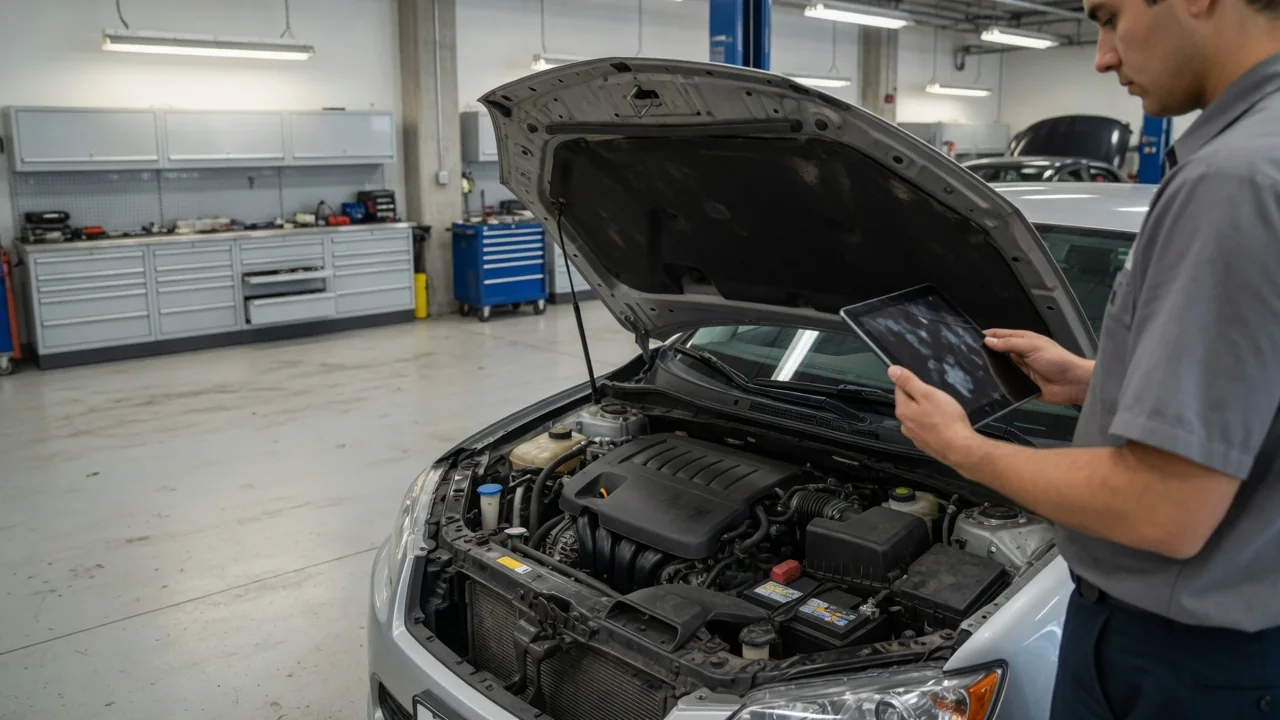
A P0013 code flags a monitored electrical problem in the bank 1 camshaft actuator B control circuit, often linked to variable valve timing. It is evidence to interpret, not proof a part has failed. Exact wording and components depend on year, make, model, and engine. This guide covers meaning, symptoms, circuit causes, safe checks, diagnosis, and repair options.
What P0013 Means on Your Vehicle
On many vehicles, a P0013 code generally identifies an open or malfunctioning bank 1 camshaft actuator B control circuit. The powertrain control module watches that circuit while commanding the oil control solenoid that advances or retards cam timing. An open, short, or out-of-range signal can set the code and turn on the check engine light. Because definitions and pinouts vary, confirm the year, make, model, engine, and factory service information before treating any generic wording as exact for your vehicle.
B typically refers to the exhaust camshaft, and bank 1 is the bank that contains cylinder 1. Where the exhaust camshaft actuator actually sits depends on engine layout, so a V-type engine and an inline engine will not share the same physical location. The stored code means the monitored circuit did not behave as expected. It does not by itself identify a failed solenoid, a broken wiring harness, or a control module, and it does not justify replacing a part until testing supports that conclusion.
Symptoms and When to Stop Driving
A P0013 code often appears with an illuminated check engine light and little else. Some drivers notice an uneven idle, slower throttle response, or a stall, especially if variable valve timing is not controlling the exhaust camshaft as intended. Others feel no change at all, because a circuit fault can be logged before drivability suffers. Those symptoms cannot confirm an actuator or wiring failure on their own. Similar running problems come from fuel, ignition, air, or mechanical issues that happen to set other codes at the same time.
Stop as soon as it is safe and arrange assistance if the engine stalls, runs severely poorly, the check engine light flashes, or an oil-pressure warning appears. A flashing light can indicate misfire that may damage a catalytic converter, and low oil pressure threatens bearings and cam phasers. There is no reliable way to promise a remaining driving distance from this code. Have the vehicle assessed promptly, using actual behavior and warning indicators rather than assuming the fault is minor because the car still moves.
Circuit Faults That Can Trigger P0013
Damaged wiring, loose terminals, corrosion, or an unplugged connector can interrupt control of the exhaust camshaft actuator. Rubbed insulation on a wiring harness near a valve cover, a connector not fully seated after service, or moisture in a terminal can open the circuit the module is monitoring. Those conditions produce the same P0013 code as an internal electrical failure of the actuator solenoid. A failed coil or shorted winding is possible, but it remains only one candidate until resistance, current, and connector checks confirm the solenoid itself is at fault.
Power-supply and control-side faults can also set the code when the vehicle's circuit design feeds the oil control solenoid from a fused source and a module driver. A missing supply, a high-resistance ground, or a driver that cannot switch the circuit will look like an actuator problem until those paths are tested. Do not attribute P0013 to a control module without that evidence. Oil condition can change how variable valve timing responds mechanically, yet an oil change neither proves nor repairs an electrical circuit fault stored as P0013.
Safe Checks Before a Service Visit
Before anyone clears memory, record every stored and pending code, freeze-frame data, and the symptoms you noticed. Freeze-frame data captures engine speed, load, temperature, and related parameters at the moment the P0013 code set, which helps a technician recreate conditions. Note whether the check engine light is steady or flashing and whether other timing or circuit codes are present. Clearing information too early removes the snapshot that distinguishes an intermittent open from a fault that appears only after a hot restart or a specific drive cycle.
Check oil level using the procedure in the owner's manual and write down recent oil service or engine work, because a low sump or a recently disturbed connector can sit beside a circuit complaint. With the engine off and cool, look only at readily visible wiring for pinched loom, melted insulation, or a disconnected plug at the exhaust camshaft actuator. Do not probe terminals, apply battery power to the oil control solenoid, or reach near belts, fans, and hot surfaces. Those steps belong to a controlled diagnostic procedure, not a driveway inspection.
How a Technician Confirms the Circuit Problem
A technician starts by verifying that P0013 is current, listing associated codes, and following the vehicle-specific diagnostic procedure rather than a generic chart. Manufacturer-dependent wording and pin assignments require that confirmation. Circuit diagrams then show how the camshaft actuator circuit is powered, switched, and monitored on that engine. Electrical tests compare supply voltage, ground integrity, and wiring continuity with the manufacturer's specifications for that circuit. Results decide whether the open or malfunction is in the harness, the connector, the solenoid, or further upstream.
Scan-tool commands and actuator tests help locate the fault without assuming the oil control solenoid is defective. Commanding the exhaust camshaft actuator while watching current, duty cycle, and cam correlation shows whether the circuit responds. A solenoid that draws expected current with a known-good connection points suspicion back to wiring or control. Escalating to a control module or to mechanical timing components requires evidence: a verified output that never appears at the connector, or cam timing that stays wrong after the electrical circuit has already been proven sound.
Repair Options and Confirmation Afterward
Repairs should match confirmed findings. A corroded or unseated connector may need cleaning and proper latching. Damaged conductors in the wiring harness may need repair or a section replacement. An actuator solenoid that fails electrical tests can be replaced, using the engine-specific part identification and installation procedure from service information. Compatibility across engines should not be assumed from a shared code number. Access can be simple on some layouts and cramped on others, which affects labor even when the failed item is a small oil control solenoid.
Clearing the P0013 code is not a repair. After work is finished, the circuit should be rechecked for proper operation, and the vehicle should be driven through the conditions that originally set the monitor. If freeze-frame data showed a hot idle or a specific load, those conditions need to return before anyone concludes the fault is gone. Cost usually reflects diagnostic time, how difficult the exhaust camshaft actuator is to reach, and how far wiring damage extends, rather than a single fixed price for the code itself.