P0005–P0007 Codes: Fuel Shutoff Valve Circuit Faults
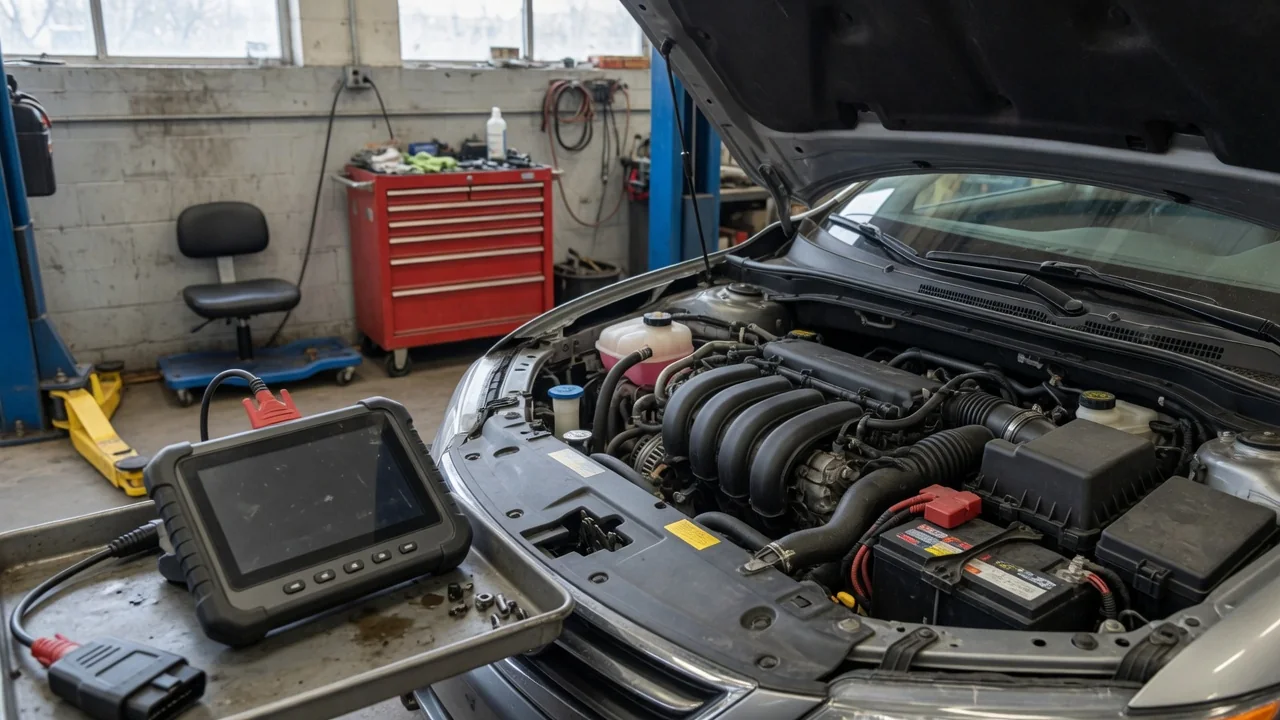
When a P0005, P0006, or P0007 diagnostic trouble code appears, the vehicle has detected an electrical fault in the fuel shutoff valve control circuit. P0005 typically indicates an open circuit, P0006 a low circuit condition, and P0007 a high circuit condition. These codes do not directly report fuel pressure or a failed valve; instead, they flag a problem with the wiring, connectors, or valve electrical element. Understanding the specific code definition for your vehicle is the first step toward a correct diagnosis.
Confirm the Code Definition for the Vehicle
The standard descriptions for these codes are P0005 fuel shutoff valve A control circuit/open, P0006 fuel shutoff valve A control circuit low, and P0007 fuel shutoff valve A control circuit high. However, the exact meaning can vary by manufacturer. Some vehicles may use different terminology or assign the code to a different circuit. Always confirm the precise definition and diagnostic procedure for the vehicle's year, make, model, and engine before interpreting the code, as manufacturer-specific implementation determines the relevant components and tests.
These codes describe monitored electrical circuit conditions and do not independently establish a defective valve or a fuel-pressure problem. For example, a P0006 code does not mean fuel pressure is low; it means the electrical signal in the control circuit is below the expected threshold. A fault code is evidence to interpret, not proof a part has failed. Proper diagnosis requires using the vehicle's service information to understand the circuit design and test accordingly.
P0005: Understanding the Circuit/Open Description
A P0005 code indicates an open circuit, meaning the control module has detected a break in the electrical path. This could be caused by a disconnected or corroded electrical connector, damaged wiring harness, or an internal break in the fuel shutoff valve's coil. It does not necessarily mean a wire is visibly broken; intermittent faults can occur due to vibration, heat, or moisture. The exact location of the open depends on the vehicle's wiring design, so a wiring diagram is essential.
Because an open circuit can result from many possible failures, identifying the affected circuit and checking its integrity must precede replacing a fuel shutoff valve. Testing should include inspecting connectors for looseness or corrosion, checking wiring for chafing or breaks, and measuring the valve's resistance if accessible. Replacing the valve without confirming the open is in the valve itself may not resolve the code. Even if the valve is faulty, the underlying cause, such as a wiring issue, must be addressed.
P0006: Understanding a Circuit Low Fault
A P0006 code indicates a low circuit condition, meaning the monitored voltage or current is below the expected range under specified operating conditions. This is an electrical measurement, not a direct indication of low fuel level or low fuel pressure. Depending on the circuit design, a low reading can be caused by a short to ground, a supply voltage problem, or an internal fault in the fuel shutoff valve that reduces its resistance. The control module's threshold for a low fault varies by application.
Because the cause depends on the specific circuit design, vehicle-specific thresholds and wiring information are required for accurate interpretation. For example, on a high-side driven circuit, a short to ground on the control wire will produce a low voltage reading. On a low-side driven circuit, an open ground can cause a similar low indication. A P0006 code does not by itself indicate a failed part; systematic testing is needed to identify whether the issue lies in the wiring, connectors, valve, or control module.
P0007: Understanding a Circuit High Fault
A P0007 code indicates a high circuit condition, meaning the monitored electrical parameter is above the expected range. This does not report excessive fuel pressure; it is strictly an electrical fault. Potential causes include a short to voltage on the control wire, an interrupted circuit where the monitoring design permits a high reading (such as an open on a pull-down circuit), or an internal fault in the fuel shutoff valve that increases its resistance. The exact cause depends on the circuit topology.
Before attributing the code to the valve or control module, professional testing must establish the circuit's expected behavior. For instance, on a circuit that is pulled low when inactive, an open in the wiring or valve can cause the voltage to float high, triggering a P0007. Conversely, a short to another power source can also elevate the voltage. Using a wiring diagram and an appropriate diagnostic tool, a technician can measure the circuit under various conditions to isolate the fault. Replacing parts without this verification often leads to unresolved codes.
Symptoms and Safe Observations to Record
Symptoms associated with these codes can vary widely. Some vehicles may exhibit a check engine light only, while others may experience hard starting, stalling, or poor running if the fuel shutoff valve is not operating correctly. However, these symptoms may also result from other issues, so they do not confirm the circuit fault. Record all diagnostic trouble codes, their status (current, pending, or history), and available freeze-frame data, which captures engine conditions when the fault occurred. Note the circumstances of the complaint, such as temperature or vehicle speed.
Before clearing any codes, document the information, as clearing erases freeze-frame data and can make diagnosis more difficult. For owner inspection, limit checks to visible damage or loose-looking connectors that are accessible with the engine off and cool. Do not unplug components, probe circuits, or open the fuel system, as these actions require specialized knowledge and can cause further damage or personal injury. If the vehicle is stalling, unreliable starting, or has a fuel odor, stop using it and arrange professional assistance. Driving is not necessarily safe based on the code alone, and fuel system issues can create fire or collision risks.
Professional Diagnosis and Repair Confirmation
A professional technician will use the verified code definition, a wiring diagram, companion codes, and symptom history to select appropriate tests. The diagnostic process generally includes checking the fuel shutoff valve's supply voltage and ground, verifying wiring integrity between the control module and valve, and testing the valve's electrical resistance if accessible. These checks are performed at a high level without bypassing components or applying direct power, as improper testing can damage the control module or create a safety hazard. Control-module failure is considered only after all other circuit possibilities are eliminated and supporting evidence, such as a lack of output under commanded conditions, is found.
After a repair is made, confirmation involves performing the manufacturer's specified operational checks and rescanning for codes. This may include cycling the ignition, running the engine, or performing an output test with a scan tool. Clearing the code alone does not prove the repair is successful, because the fault may not immediately recur. The code sets only when specific conditions are met, so a proper road test or functional check is necessary to ensure the circuit is operating within expected parameters and no pending codes return.