Outer CV Joint Popped Out
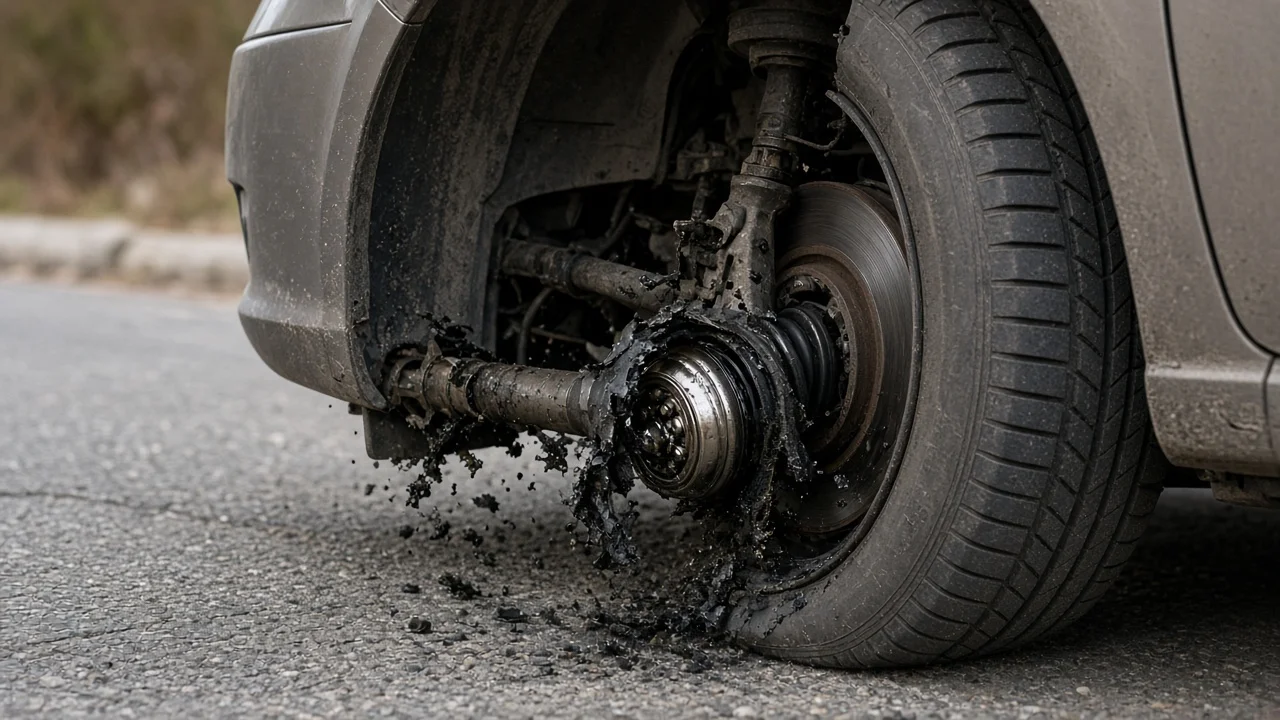
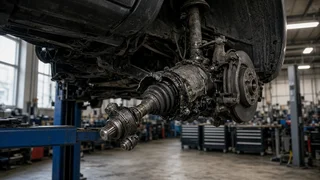
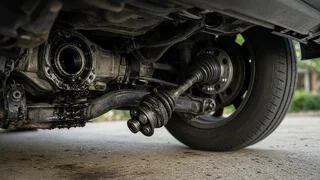
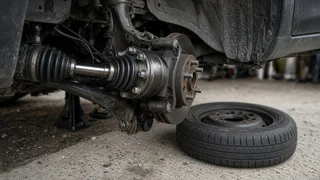
When an outer CV joint pops out of its seated position on the axle shaft, the vehicle typically loses drive to that wheel and may produce sudden clunking, vibration, or a visible separation at the wheel end. This failure usually means the spline connection or retaining clip has released under drivetrain loading, allowing the joint to slide off its normal location. Understanding this condition helps distinguish a displaced joint from a damaged-but-still-attached one and guides a safe next step before further movement causes secondary damage to the suspension, brake lines, or transmission.
Essential answer
An outer CV joint that has popped out is no longer properly engaged with the axle shaft or its mating hub. The constant velocity assembly is designed to stay in place through a combination of spline fit, a retaining clip, and the limits imposed by the suspension's range of travel. When that connection releases, the joint can pull free under acceleration, hard steering, or suspension droop, especially if a protective boot has torn and allowed contamination or loss of grease.
A separated outer joint should be treated as an immediate no-drive condition. Even if the car still rolls, continued movement can spin the loose axle inside the hub, damage the splines, tear the boot further, or throw grease onto brake components. Since the joint relies on joint articulation and secure engagement at both ends, a popped-out condition typically requires confirming whether the clip failed, the spline fit wore beyond its working limit, or a suspension or driveline problem created enough travel to pull the shaft free.