One-Pedal Driving and Regen on Demand in the Lyriq, ZDX and Prologue
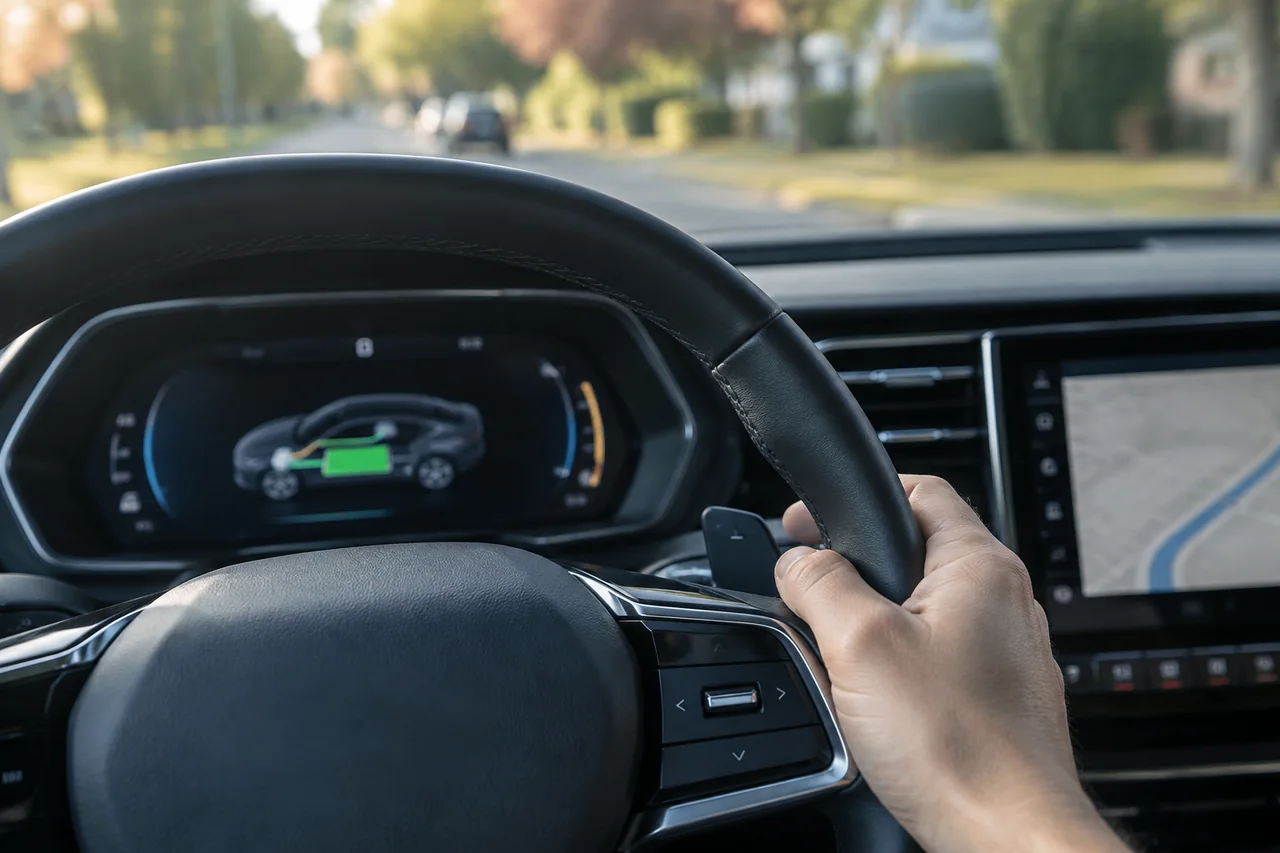
One-pedal driving and steering-wheel regen paddles change how electric vehicles slow down. In the Acura ZDX, Cadillac Lyriq, and Honda Prologue, regenerative braking recovers energy that would otherwise be lost as heat. Owners often ask how these modes work and how to set them up, especially because the three models share GM Ultium underpinnings but may label controls differently.
How Regenerative Braking Works on GM Ultium-Based EVs
When you lift off the accelerator in an EV, the electric motor can act as a generator. The spinning wheels drive the motor, which creates resistance and slows the car. This resistance converts kinetic energy into electrical energy, which is sent back to the battery. The harder the regen setting, the more the vehicle decelerates without touching the brake pedal. Standard lift-off regen provides a mild slowdown similar to engine braking in a gasoline car.
One-pedal driving increases that lift-off deceleration enough for most everyday stops. A steering-wheel regen paddle lets the driver add strong regen on demand by pulling a paddle, often to slow for a corner or stop. The brake pedal still works conventionally, and the vehicle may blend friction brakes with regen automatically. Because the Lyriq, ZDX, and Prologue share the Ultium platform, their hardware is related, but each brand can tune regen strength, pedal feel, and menu names differently.
Cadillac Lyriq Regenerative Braking: One-Pedal Mode and the Regen on Demand Paddle
In the Cadillac Lyriq, one-pedal driving can be activated through the vehicle controls. When it is on, releasing the accelerator produces noticeable deceleration that can bring the car to a low speed or a complete stop, depending on conditions and settings. The Regen on Demand paddle, usually located on the steering wheel, adds extra slowing when the driver pulls and holds it. This is separate from one-pedal mode and can be used even when one-pedal driving is off.
The exact labels and menu locations can vary by model year and software update. Lyriq owners should check the infotainment screens or the owner's manual for the current names, such as One-Pedal Driving or Regen on Demand. The one-pedal setting may remain active after the vehicle is turned off, or it may reset to off at the next start. This behavior is worth confirming in the manual so the driver knows what to expect each time they get in.
Acura ZDX Regenerative Braking Settings and Controls
The Acura ZDX offers regenerative braking through lift-off deceleration and possibly a one-pedal style mode, depending on trim. Some versions include a steering-wheel paddle for extra regen, but the exact control and its label can differ from Cadillac's Regen on Demand. Acura may use its own terms, and the menu layout is not identical to the Lyriq even though both are Ultium-based. Owners should confirm what their specific ZDX has by reading the Acura owner's manual or exploring the vehicle settings.
Drive modes can change regen feel in the ZDX, but this varies by trim and software. For example, a Sport mode may provide stronger lift-off deceleration, while a Comfort mode may coast more. Rather than assume, drivers should test each mode carefully. Trying regen settings in a quiet, low-traffic area is the safest way to learn how strongly the car slows. This gives the driver a feel for the deceleration rate before using it in traffic.
Does the Honda Prologue Have Regenerative Braking?
Yes, the Honda Prologue has regenerative braking. As an electric vehicle, it uses the motor to recover energy whenever the driver lifts off the accelerator or presses the brake pedal lightly. The Prologue also offers one-pedal driving in many trims, but the exact controls depend on the year and configuration. Some Prologues may have a button or menu setting rather than a steering-wheel paddle, so owners should check their manual to see which controls are actually fitted.
Unlike the Lyriq and ZDX, the Prologue may have a different regen control layout even though it shares the Ultium platform. Drivers can confirm regen is working by watching the power or energy-flow display while slowing down. If the display shows energy flowing back to the battery during deceleration, regen is active. The amount of regen may be adjusted through drive modes or a dedicated setting, but again, the manual is the best source for the specific trim.
Setting Up One-Pedal Driving and Getting Used to It Safely
To set up one-pedal driving, start by finding the regen or one-pedal setting in the vehicle's controls or infotainment menu. Turn the setting on while the car is parked, then test it at low speed in a safe area. Begin with gentle accelerator changes: ease off the pedal gradually instead of lifting suddenly. Look further ahead to plan stops, and keep your foot ready to cover the brake pedal until you are comfortable with the stronger deceleration.
One-pedal driving may not bring the vehicle to a complete stop or hold it on a hill in every situation. The driver should still use the brake pedal when needed and apply the parking brake as the manual instructs. Passengers may notice the stronger lift-off deceleration and find it less smooth at first. If that becomes uncomfortable, switch to a milder regen setting or turn off one-pedal mode for more traditional coasting behavior.
When Regen Feels Weaker Than Usual and When to Get It Checked
Regen can feel weaker than usual for normal reasons. A fully or nearly fully charged battery has little room to accept more energy, so the car limits regen to protect the battery. Cold weather can also reduce regen because a cold battery cannot charge as quickly. The owner's manual usually explains these conditions and may show a message on the dash. In many cases, regen returns to normal as the battery warms up or its state of charge drops.
A driver cannot tell a normal limitation from a fault just by how the car feels. Watch for warning lights, dashboard messages, unusual noises, or a changed brake pedal feel. If regen behaves inconsistently without an obvious cause like a full battery, or if warnings appear, have a qualified EV technician or dealer inspect the vehicle. Stored fault codes need to be read and interpreted for that specific car. Do not attempt repairs on high-voltage or brake parts yourself.