NP205 Transfer Case Linkage Identification
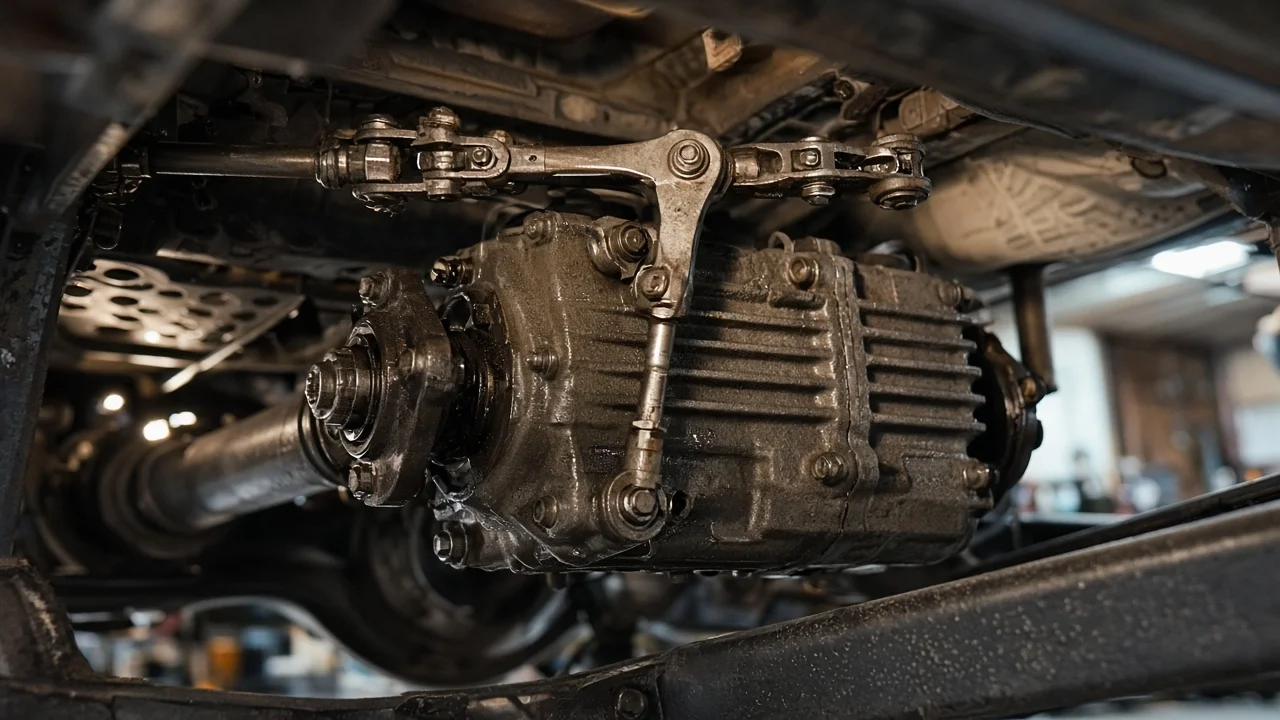
The NP205 is a gear-driven, cast-iron transfer case that New Process supplied to several truck makers over many years. The case itself changed little, but the shift linkage that connects it to the cab varies a lot. If you are rebuilding, swapping or replacing worn parts, you first need to know which linkage you have. This guide explains how to tell NP205 linkage types apart and what to check before buying parts.
Identifying the Linkage on Your NP205
The linkage on an NP205 is identified mainly by the vehicle it came from, not by the transfer case alone. GM, Ford, Dodge and International trucks each used their own shifter mounting, lever shape, rod lengths and pivot brackets. The NP205 case is largely shared, so the same housing can wear very different linkage depending on the original installation.
To identify yours, look at four things: where the shift lever pivots (on the transfer case, on the transmission or adapter, or on the floor or frame), how many rods run from the lever to the case, how the rods attach to the two shift rails, and the shift pattern on the knob or boot. Together with the vehicle make, model year and transmission, these details usually narrow the linkage to a specific family. A part listing that only says it fits an NP205 is not enough to confirm a match.
How the NP205 Shift Mechanism Works
Inside the NP205 there are two shift rails that exit the case side by side. One rail moves the range gear between high, neutral and low. The other engages or disengages drive to the front output. The external linkage turns movement of a single cab lever into the correct movement of these two rails.
With a factory single-lever linkage, the lever usually moves through two-wheel high, four-wheel high, neutral and four-wheel low. Low range is normally only available in four-wheel drive, because the factory linkage and internal interlock tie front engagement to low range. Lever pivots, swivels, clevis pins, bushings and adjustable rod ends transfer the motion. Wear in any of these points shows up as sloppy feel, incomplete engagement or a lever that will not reach a detent. Because each rail must travel fully into its detent, rod length and pivot location both matter, which is why linkage from one make rarely works correctly on another without modification.
What Changes the Linkage Configuration
Vehicle make is the biggest variable. Each manufacturer designed its own lever, bracket and rod geometry around its cab floor, transmission and frame. Shift patterns also differ between makes, so the order of positions on one truck may not match another. Trust the pattern marked on the original knob or in the service information for your truck rather than a pattern described for a different brand.
Installation type matters too. Some NP205 applications are divorced, mounted separately and driven by a short driveshaft. Others are married, bolted directly to the transmission through an adapter. A married case sits in a different position relative to the floor, and in some designs the linkage mounts to the transmission or adapter rather than the case. Model year, cab style, transmission choice and later body or frame changes can alter brackets and rod lengths within the same make.
Previous owners are another factor. Twin-stick conversions are common on the NP205. They replace the single lever with two separate levers, one per rail, and may allow combinations the factory linkage did not, such as two-wheel low. Swapped cases, mixed brackets and fabricated rods also appear often. A truck with an unknown service history can carry linkage that does not match what the factory installed.
Practical Steps for Owners
Start with an inspection under the truck with the vehicle safely supported and the engine off. Trace each rod from the cab lever to the shift rails. Count the rods, note where the lever pivots and photograph every bracket, clip and rod end before removing anything. Check the case for its identification tag and record any numbers you find; together with the vehicle identification and transmission type, they help confirm the original configuration.
Next, check the condition of the parts you have. Look for worn or oval pivot holes, missing bushings or clips, bent rods and loose bracket bolts. With the parking brake set and wheels chocked, have a helper move the lever slowly while you watch the rails, confirming each one reaches its detent without binding. A rail that stops short can cause gear jump-out or partial engagement, which adds wear to the case.
When ordering replacement parts, match by vehicle make, model year, transmission and installation type, not just by transfer case model. Compare the new part to your photos and the old part before installing. If you find an aftermarket twin-stick or a custom setup, buy parts for that specific system and follow its own instructions rather than factory linkage procedures.
Limitations and When to Get Help
Exact rod lengths, adjustment procedures, bracket part numbers and shift patterns depend on the specific truck, and they are not universal across NP205 applications. Use the manufacturer specifications and service manual for your vehicle configuration whenever you adjust the linkage. If parts have been swapped or modified, factory information may only partly apply, and you may need to measure and compare against a known original truck.
Seek a transfer case or drivetrain specialist if the lever cannot reach every position after adjustment, if the case jumps out of gear, if you hear grinding during engagement, or if you suspect internal damage to the rails, forks or interlock. Linkage adjustment cannot fix internal wear, and continued use of a case that will not hold engagement can damage gears and driveline parts. A shop familiar with older four-wheel-drive trucks can confirm what you have and whether the linkage, the case or both need attention.