NIST Traceable Calibrated Tire Pressure Gauge
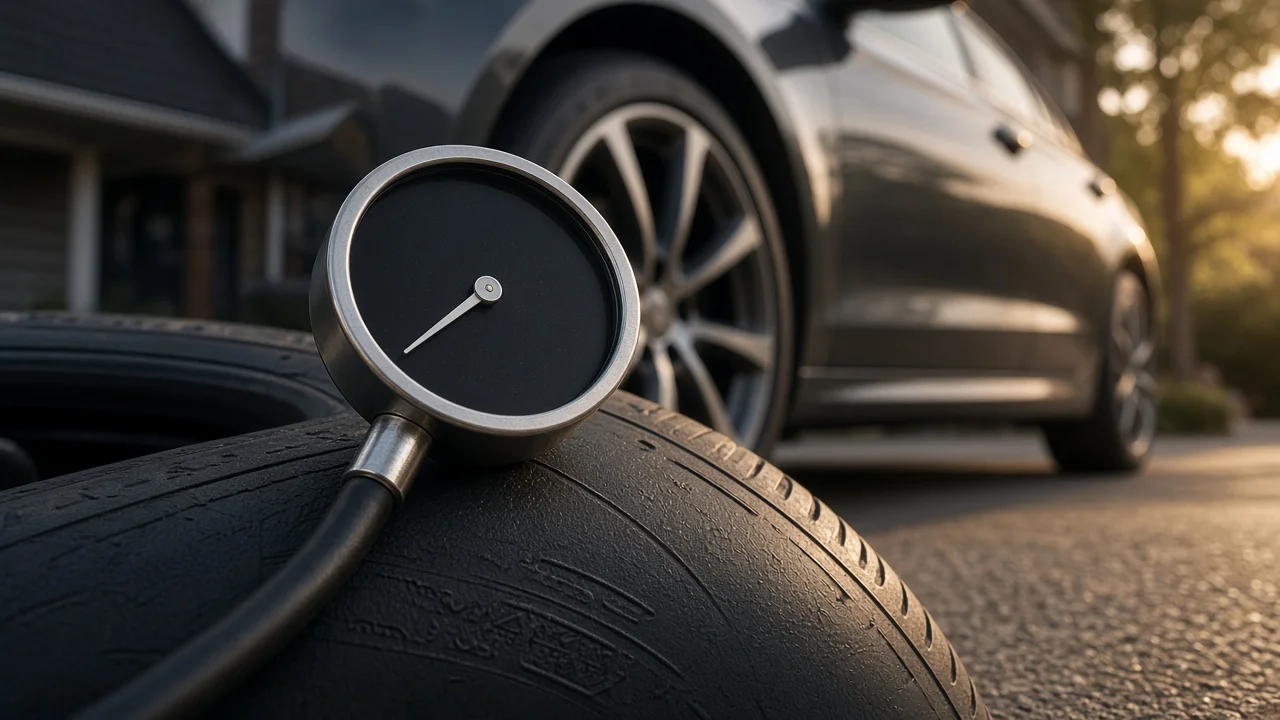
A NIST traceable calibrated tire pressure gauge is not simply another pencil-type or dial gauge. It is a measurement instrument whose reading is documented against a recognized national standard, making accuracy more than a marketing claim. For owners concerned with tire wear, fuel use, and predictable handling, that traceability matters. The right choice depends on how the gauge will be used, where the calibration certificate fits into your maintenance routine, and how the tool’s scale and connection behave on your wheels.
The direct answer
Choose a NIST traceable calibrated tire pressure gauge when you need a defensible reference for inflation checks rather than a rough roadside estimate. Traceability means the device has been compared through a chain of measurements to a national metrology standard, with documented uncertainty. That does not make the gauge self-certifying forever; it means the supplied certificate records its performance at the time of calibration, and the number is meaningful only within the stated measurement range.
For most passenger vehicles, the practical value is repeatability and a known accuracy window across the operating span, not a single test point. A gauge can be very accurate near one pressure but drift at the low or high end of its scale. When comparing the reading to your vehicle specification, confirm that the tool’s range covers the cold inflation targets with realistic margin and that the display units match the door-jamb label or your own service notes.