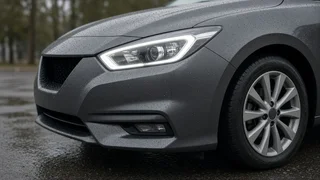
Nissan Skyline
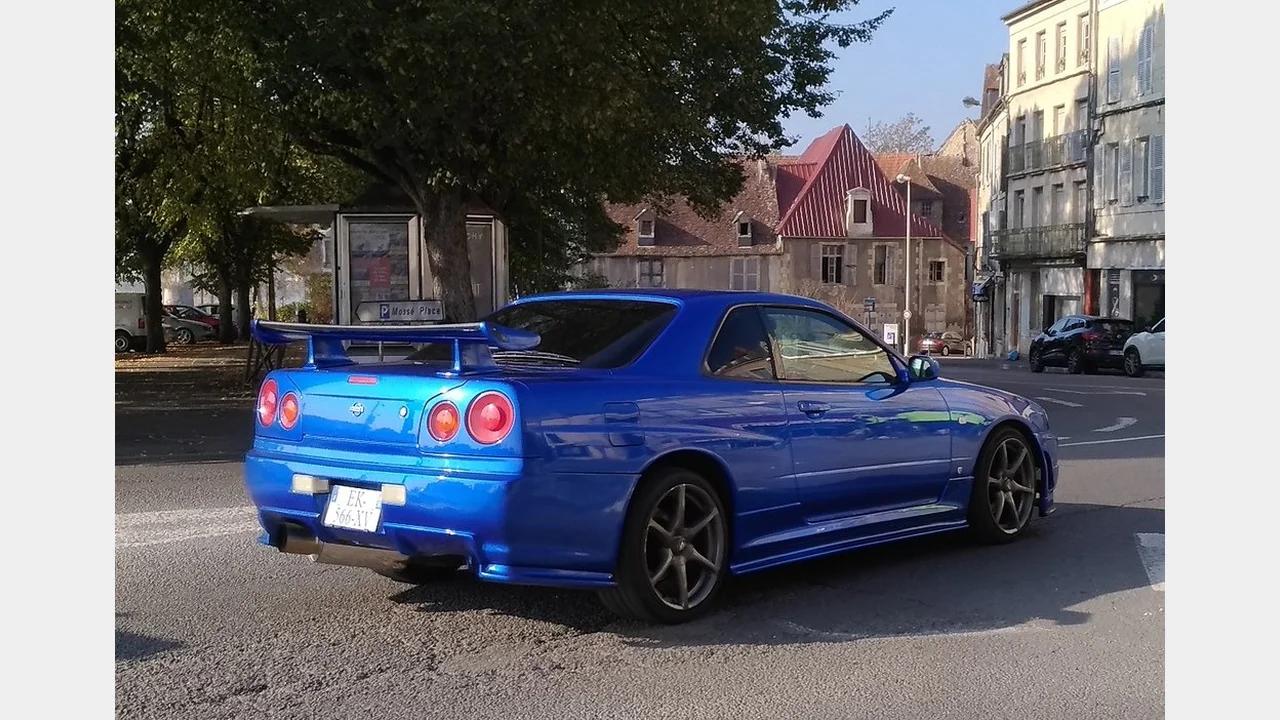
The Nissan Skyline car is one of the most widely recognized names in Japanese performance history, yet its meaning shifts depending on market and model generation. In the United States, the Skyline is often associated with the GT-R flagships that were never officially sold here in most earlier forms, while the basic Skyline sedan and coupe have long been ordinary Japanese-market models powered by a range of engines. Understanding the car requires separating import legend from the broader model lineage, body styles, trim levels, and powertrain configurations that have carried the name across decades.
Essential answer
At its core, the Nissan Skyline is a long-running Japanese automobile line that has included sedans, coupes, and high-performance variants across many model generations. The nameplate began under the Prince Motor Company before Nissan merged the brand into its lineup, and it later became famous worldwide because of motorsport success and the GT-R models derived from Skyline platforms. For US readers, the essential qualification is that most Skylines were built to Japanese market specification, meaning right-hand drive and equipment not originally intended for American sale.
A Skyline can be a modest family car, a turbocharged performance coupe, or a collectible homologation special depending on the generation and trim level. The powertrain configuration also varies widely, from inline sixes to V6 engines and rear-wheel or all-wheel drive. When someone searches for a Nissan Skyline car, they are usually asking about this broad family rather than one fixed specification. That context matters because two vehicles carrying the same badge can differ dramatically in body style, market specification, and driving purpose.